warehouselogistiek.eu
EN

The platform for internal & external logistics, supply chain and automation
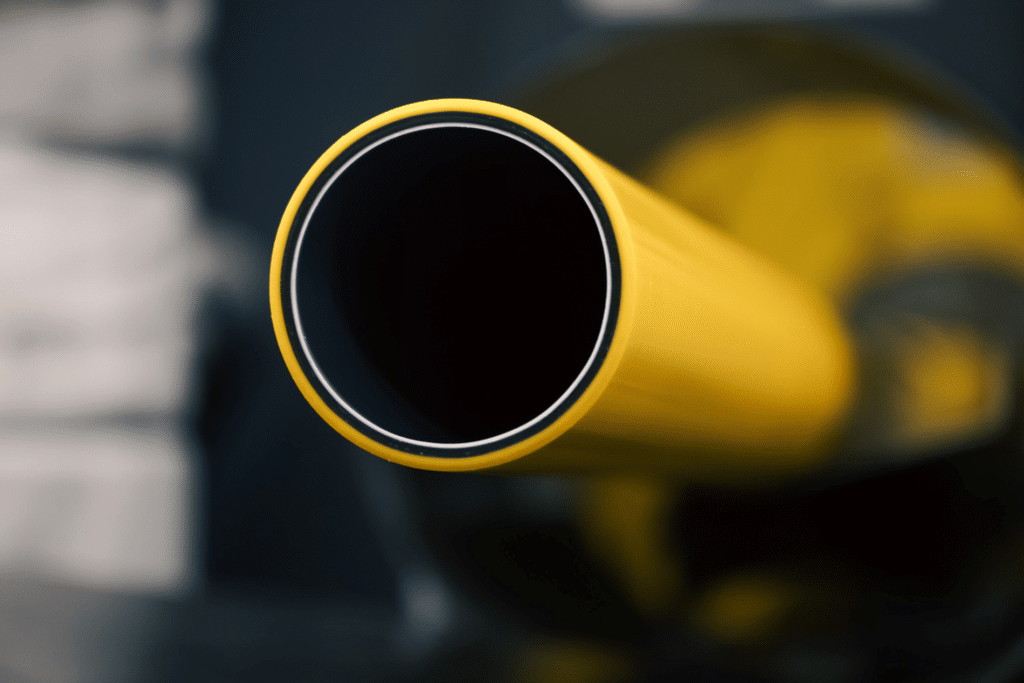
How do you know what a secure system is?
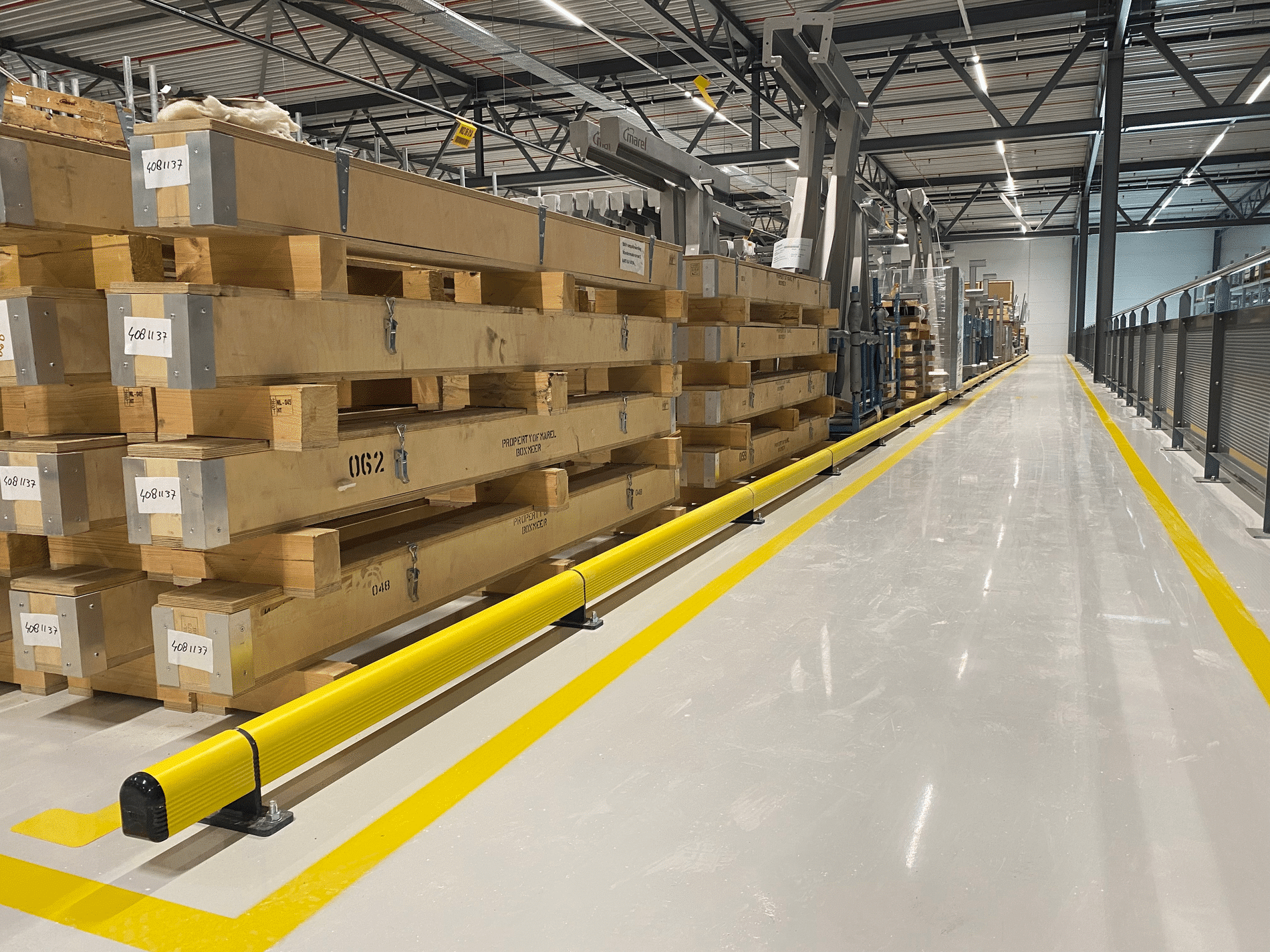
Collision protection systems often look very similar, but technically there are significant differences. However, there is no certification standard yet, so how can you determine whether a product actually provides the right protection in practice? Who better to ask than Bas Kruysdijk, managing director at A-SAFE Netherlands? After all, the company is the inventor of plastic collision protection for industrial and logistics environments. “If you want to prevent safety from becoming merely an illusion, you have to look beyond color, purchase price, or an award. Good collision protection starts with the right questions: What kind of vehicle is driving there, at what speed, and at what angle could an impact occur? And does the chosen solution demonstrably address these risks?”
In practice, according to Kruysdijk, people still too often think in terms of general solutions. “People just say, ”Put up one of those yellow fences.’ Then they think that’s enough. Of course, I don’t blame them for not knowing what to look for. But as long as there isn’t a certification mark yet, there are fortunately a number of other aspects you can keep an eye on.”
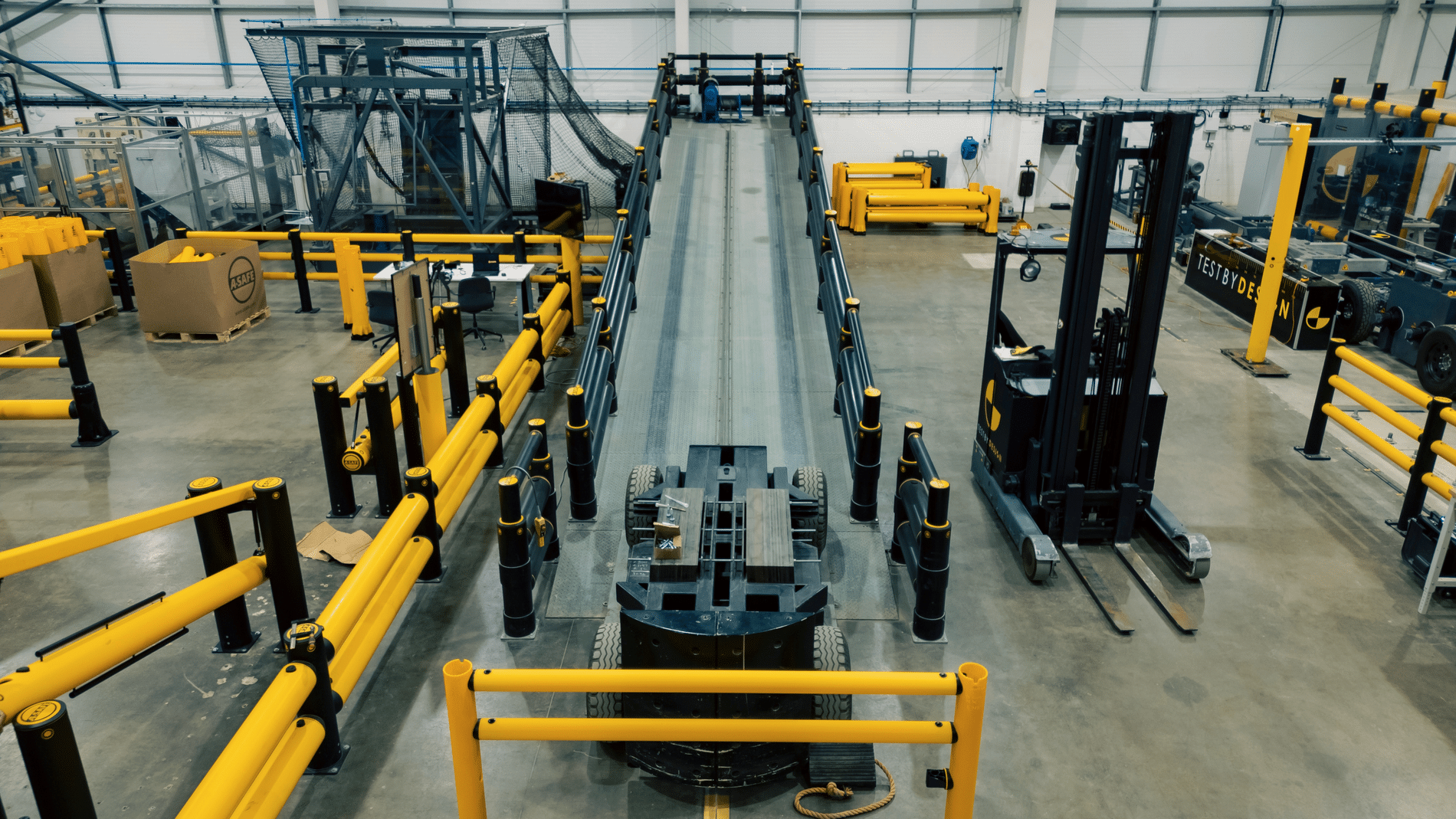
A-SAFE does not work with dealers but ships directly from the factory. With its own R&D department, laboratory, and testing center, the process from development to production to consultation to application is streamlined. That is precisely what Kruysdijk considers important, because products that appear similar can perform very differently in practice. “When it comes to plastic crash barriers, appearance doesn’t tell the whole story about their actual protective strength.”
For the same reason, Kruysdijk recommends verifying that the products have been tested in accordance with the PAS 13 guideline. This standard is administered by the British Standards Institution, which is comparable to NEN/KEMA. PAS 13 specifies the requirements that collision protection must meet and how performance is tested and calculated. The certification body TÜV Nord has adopted this standard.
According to Kruysdijk, a standardized testing method is crucial: “Otherwise, you’ll get results that you can’t objectively compare.” He draws a parallel with electric cars, where testing conditions have a major impact on the stated range. “One manufacturer tests under ideal conditions and thus achieves an impressive range,” Kruysdijk laughs, “while another uses a more realistic usage scenario in its calculations. Only with a standardized method can you fairly compare performance.” That’s why A-SAFE not only tests at its own test center, but also ensures that every product has a certificate from TÜV Nord.
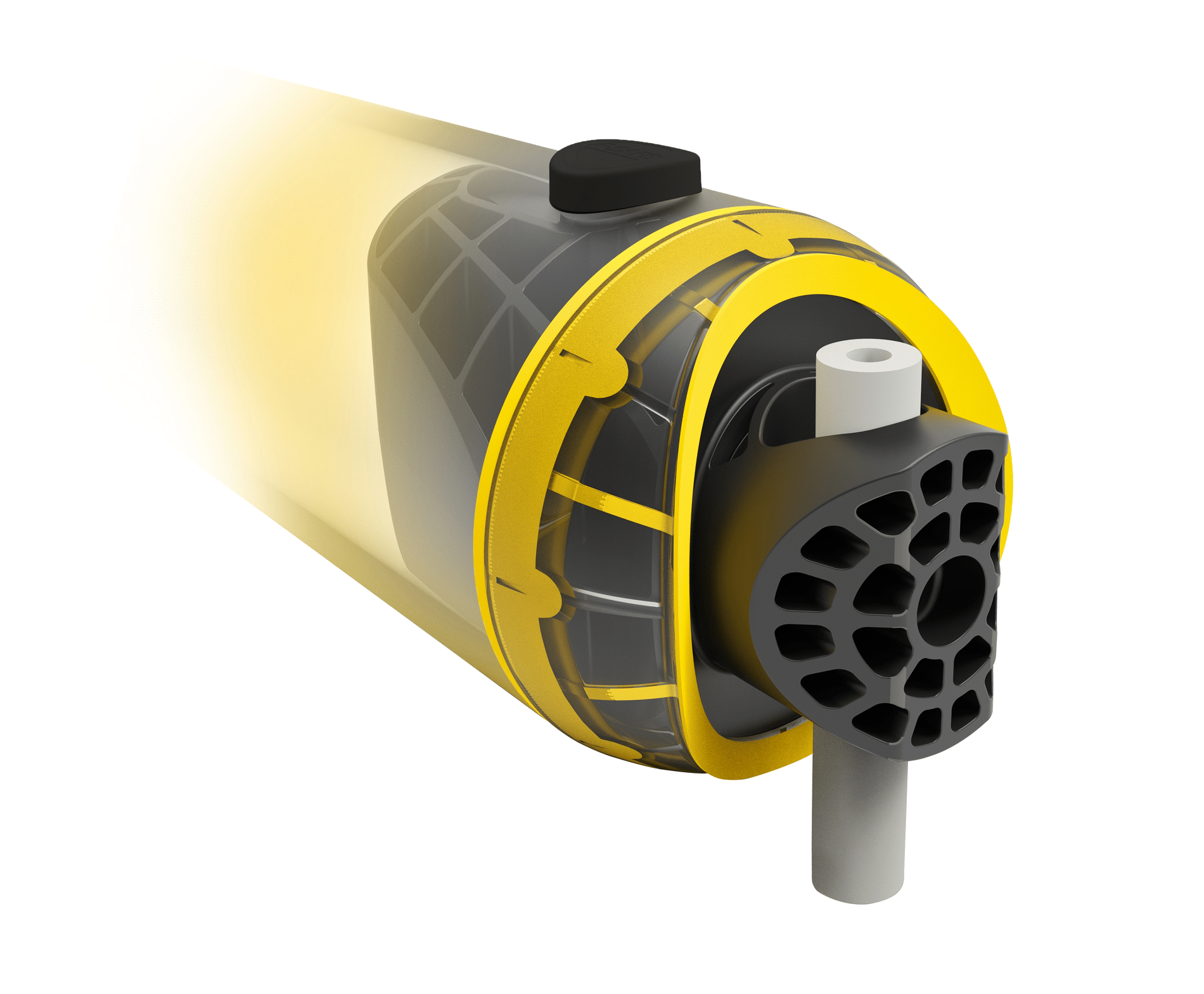
The product’s technical design is another aspect Kruysdijk highlights. Anyone who takes a look at the A-SAFE website will see that their materials are based on extensive scientific research. “We use our own three-layer Memaplex™ plastic, which was developed by polymer scientists.” The patented coupling technology is also unique. “Usually, the coupling is a weak point in guardrails and fencing, but our coupling actually improves impact resistance. In the event of a collision, the rail doesn’t simply pop out of the posts, and the structure absorbs more energy. As a result, less force is exerted on the base plate, reducing the risk of floor damage.” That’s important, especially in the food industry where hygiene is crucial, but it also prevents repair costs and downtime.
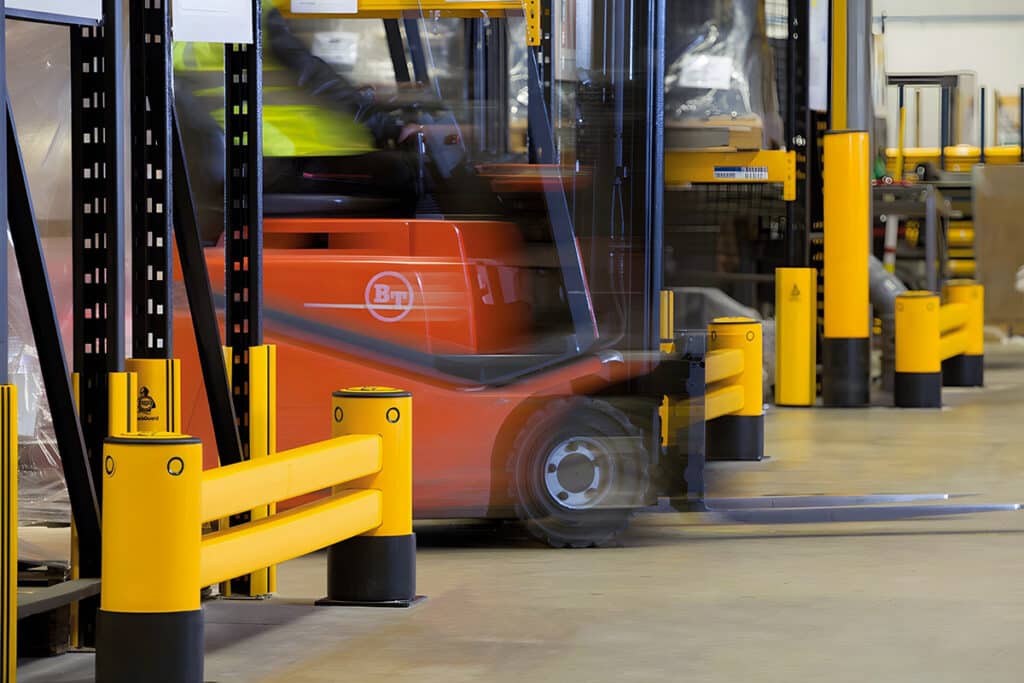
In closing, Kruysdijk warns against a false sense of security: “An award or a bold claim doesn’t automatically say anything about the standard a product meets. We’ve won several awards ourselves, mind you, but it’s the independent test certificates that actually prove our products offer the right protection.”
Neem dan rechtstreeks contact op met A-SAFE.
 Contact opnemen