warehouselogistiek.eu
EN

The platform for internal & external logistics, supply chain and automation
Thoughtful design in a smart warehouse
Whereas warehouses used to be designed primarily for maximum storage capacity, in 2026 the focus is on a broader task. Safety, flexibility and technology are inextricably linked. The increasing use of automation, the shortage of qualified personnel and stricter laws and regulations are forcing companies to look at their warehouse layout differently. Those who want to move forward today should not name safety as a focal point, but embed it in every detail of the design.
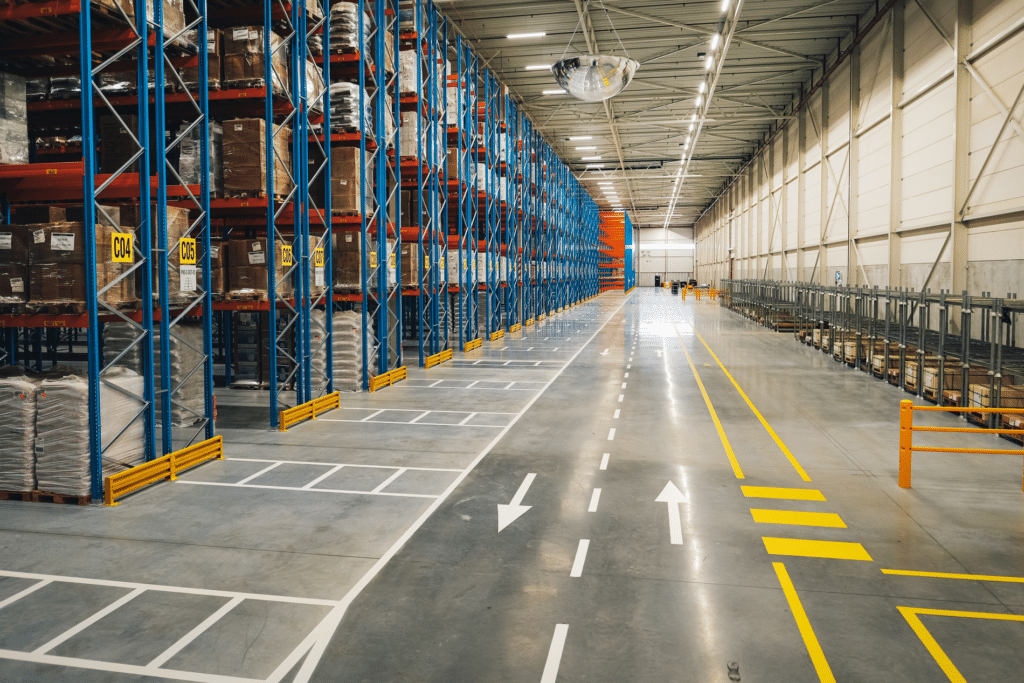
A safe warehouse is not created by extra measures after the fact, but by a well thought-out design from the drawing board. In modern warehouses, traffic flows of people and internal transport are separated as much as possible, with logical walking routes, clear zones and clear intersections. Digital design tools and simulations make it possible to recognize bottlenecks and reduce risks as early as the design phase. This prevents the need to work later with temporary solutions that increase complexity and ambiguity on the shop floor.
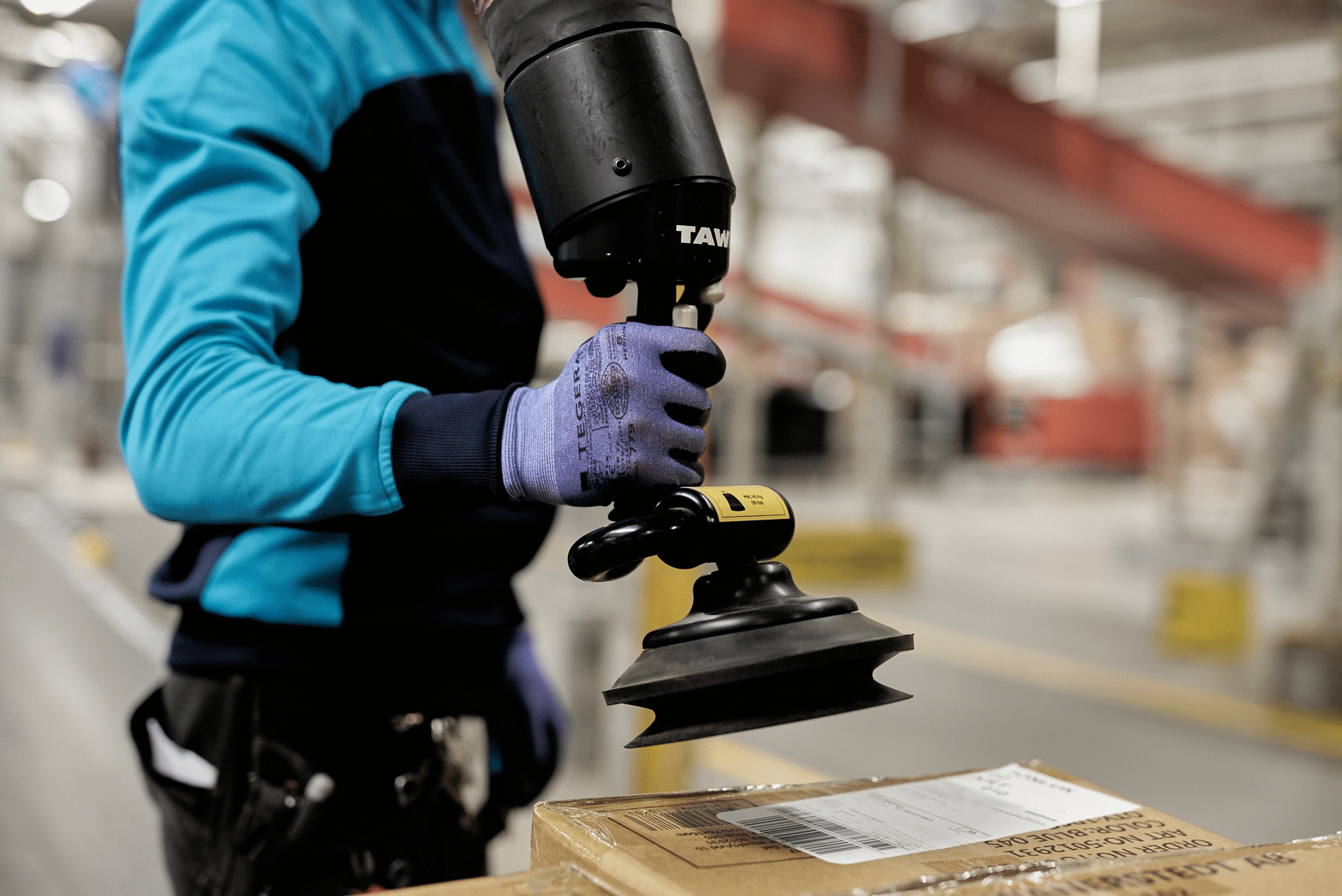
Although automation continues to advance, humans remain a crucial link in the warehouse. In 2026, there is a strong focus on ergonomics and support. Adjustable picking stations, lifting aids and exoskeletons reduce physical strain and contribute to sustainable employability of employees. Collaborative robots take over repetitive tasks, but deliberately work alongside humans rather than completely replacing them. Warehouses that introduce technology without sufficient attention to training and acceptance actually run into safety and efficiency problems.
Technological innovations are playing an increasing role in increasing safety. AI-driven camera systems recognize risky situations, such as unexpected movements or abnormal behavior of vehicles. Sensors on forklifts and autonomous mobile robots automatically adjust speed and route when there are crowds or obstacles. Wearables are also gaining ground: they alert employees to dangerous zones or fatigue. At the same time, there is growing awareness that outdated racking, floors or docks do not fit into a modern safety policy. Structural maintenance and digital inspection reports will be the rule rather than the exception in 2026.
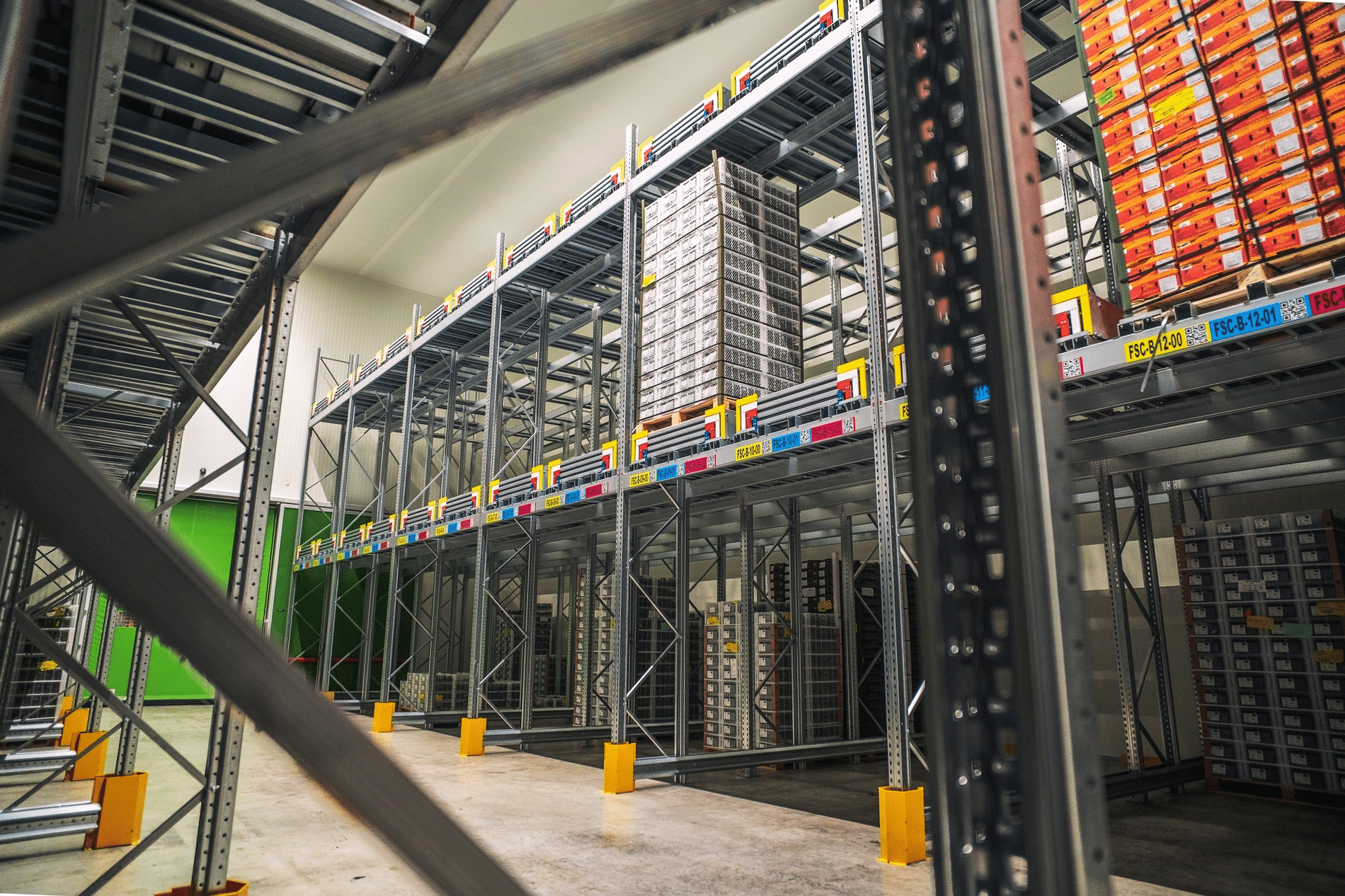
Dynamics in logistics chains demand warehouses that can easily move with them. Modular racking, movable safety walls and scalable automation solutions make it possible to adjust layouts without compromising safety. Rigid layouts designed for one fixed scenario often lead to emergency solutions when volumes or product types change. This very improvisation increases the risk of accidents and inefficiencies.
Digital twins are increasingly being used to virtually test and continuously optimize warehouses. Predictive safety solutions analyze data from sensors and systems to predict accidents and take preventive action. Smart LED floor markings dynamically adapt to traffic conditions, while autonomous mobile robots operate safely in mixed environments thanks to advanced obstacle detection. These innovations make safety measurable and proactive.