warehouselogistiek.eu
EN

The platform for internal & external logistics, supply chain and automation
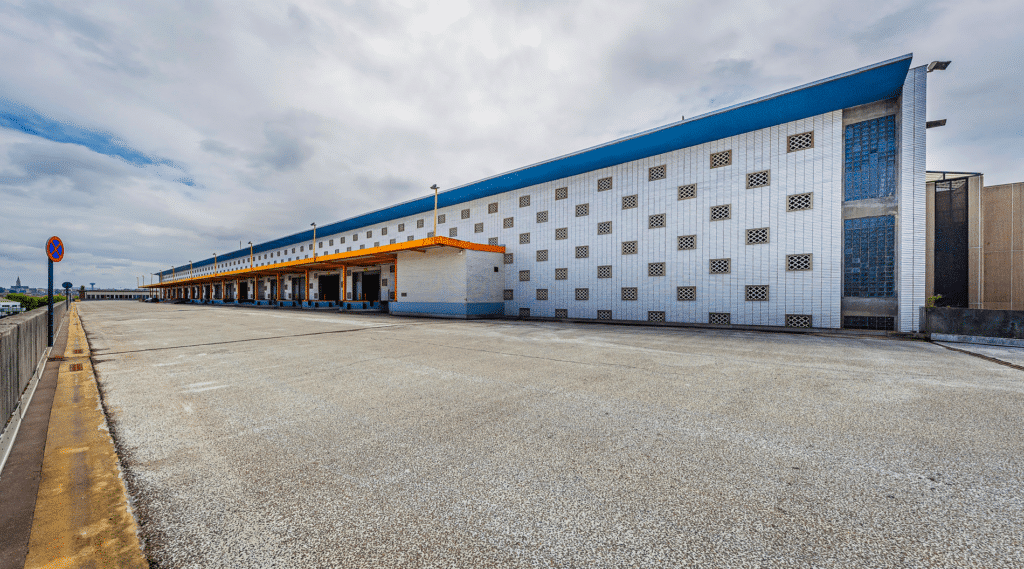
Focus on Sustainable Urban Logistics and Industry
The Port of Brussels remains fully committed to sustainable urban logistics and economic development. A year after two large warehouses in the TIR Center were put on the market, interest from logistics and industrial players is growing. At the same time, the port is playing an increasingly prominent role in Brussels’ economic strategy. According to Luc Donck, Business Development Team Manager, and Anthony Callens, Strategy Team Manager, this confirms the key role the port plays in the future of the Brussels-Capital Region.
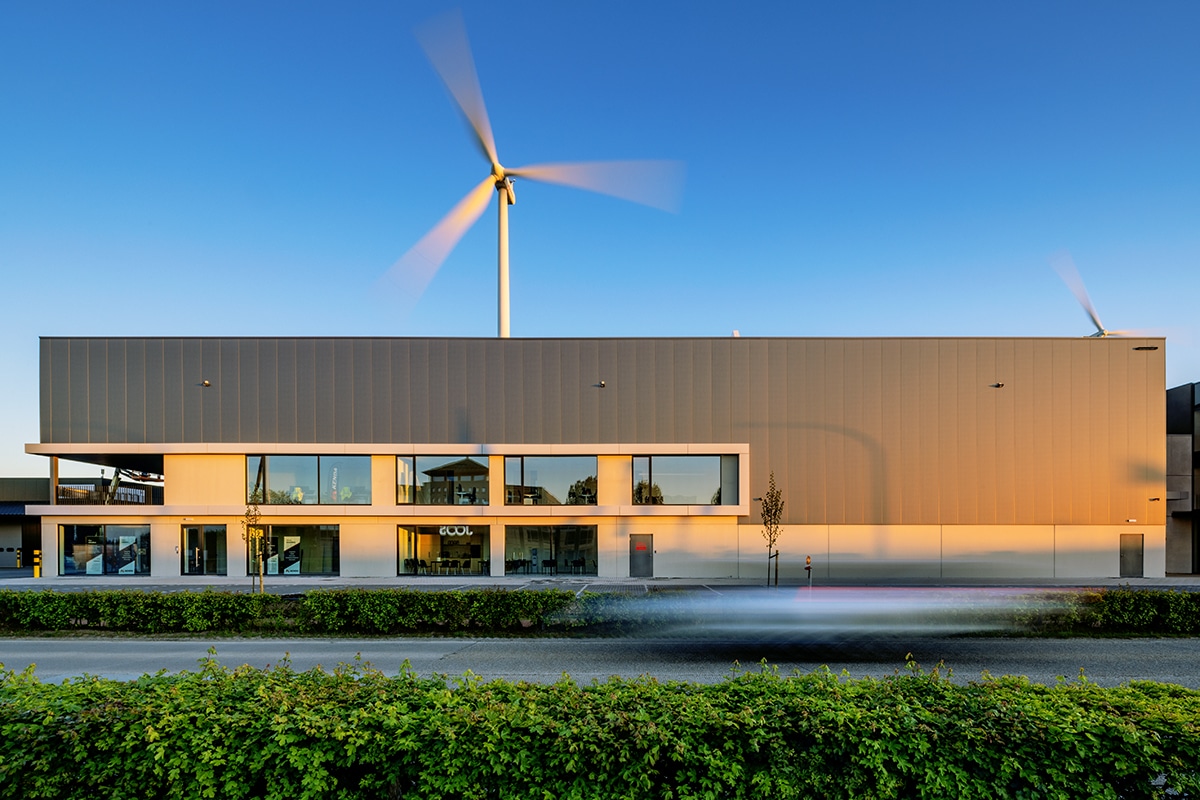
The two logistics spaces launched by the Port of Brussels in 2025 are still available today. These consist of a 4,560 m² warehouse with eight loading docks and a second, fully divisible space of 6,600 m² spread over two levels, both located in the TIR Center near Thurn & Taxis.
“These buildings still represent a unique opportunity for companies looking to expand their operations in Brussels,” says Luc Donck. “We’re looking for candidates who can propose a long-term project, with a lease of at least five years. At the same time, we’ve already signed temporary agreements for parts of the available spaces to ensure the sites remain active.”
According to Donck, the port continues to invest in raising awareness of its services. “Our location remains one of our greatest assets. From the TIR center, you can reach the city center in just a few minutes, while businesses also benefit from a recognized logistics zone with excellent connections to the Brussels Ring Road, the rail network, and the waterways.”
While the available spaces initially seemed to be of interest primarily to logistics companies, other sectors are now also coming to the fore.
“We’re receiving proposals from industrial companies more and more often,” says Donck. “These aren’t necessarily traditional manufacturing companies, but rather, for example, companies active in recycling or the circular economy. Such activities fit perfectly with our goal of attracting sustainable economic projects.”
The economic climate is helping in this regard. “We’ve noticed that it’s currently easier to find interested parties than it was a few years ago. This is also reflected in the occupancy rates at our sites. Over the past twelve months, we’ve welcomed 24 new customers to the TIR center.”
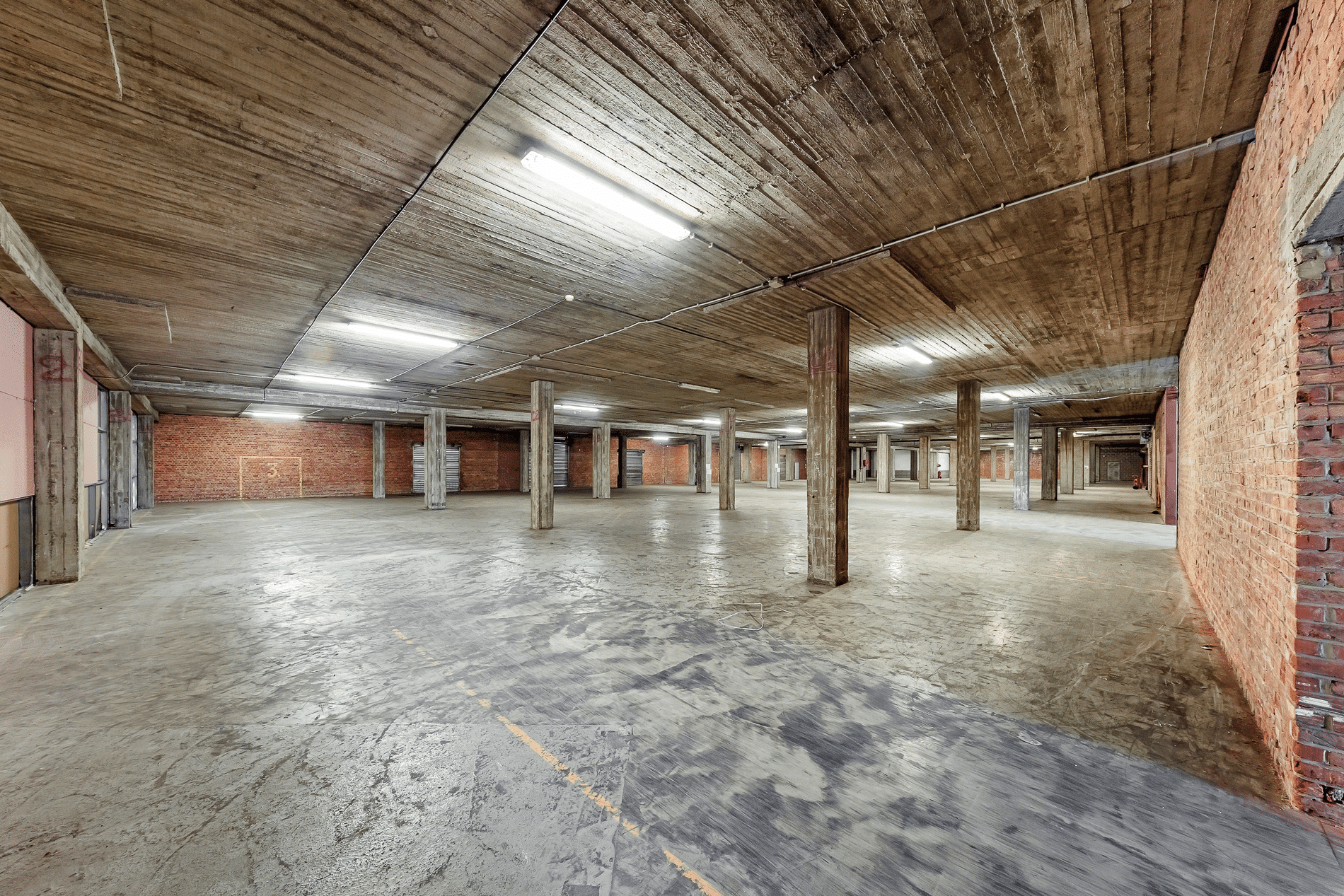
According to Anthony Callens, the two warehouses remain particularly attractive to companies focused on urban distribution.
“The demand for efficient last-mile solutions continues to grow,” he says. “Our sites are ideal for logistics and transportation companies that serve Brussels using electric vehicles or other low-emission modes of transport. The combination of water, rail, and road makes our locations unique. At the same time, we continue to welcome activities that create additional economic value and contribute to the reindustrialization of Brussels.[SI1] [SG2] ”
The further development of Schaarbeek-Vorming will play a key role in this. “That area offers exceptional multimodal advantages. We see opportunities there for new logistics, industrial, and circular economy projects that make optimal use of the connection between rail, water, and road transport.”
The Brussels government is increasingly recognizing this role. The new government statement mentions the Port of Brussels several times as a strategic partner for the region’s economic development.
“That’s a very positive development,” says Callens. “The goal of revitalizing Brussels” industrial sector aligns perfectly with our own vision. As a port, we can help private investors and companies grow here in a sustainable way.”
He also believes that the proposal to explore the port area and the former Audi Brussels site as a potential free-trade zone offers interesting prospects. “The specific details still need to be worked out, but such initiatives can attract foreign investment and stimulate new economic activity.”