warehouselogistiek.eu
EN

The platform for internal & external logistics, supply chain and automation
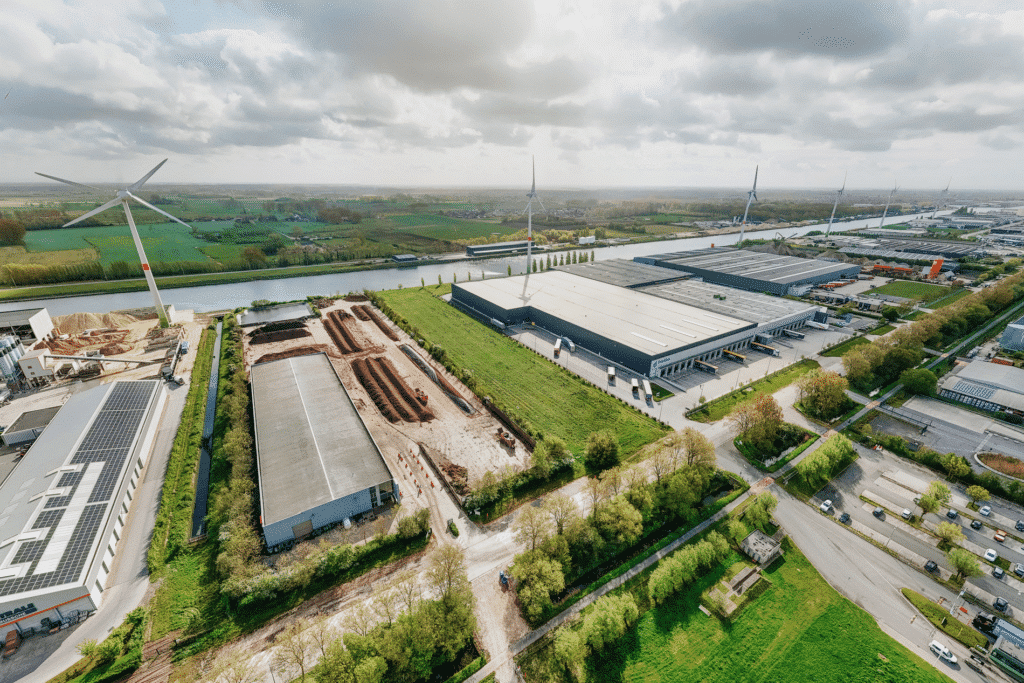
Market survey concessions Baudouin canal and Bruges inner harbor
The inner port of Bruges and the Baudouin Canal are in the spotlight. With a new market call, Port of Antwerp-Bruges wants to allocate six strategically located sites to companies that want to invest in logistics and port-related activities. The call, which was launched at the end of March 2026 and expires on May 22, is part of a broader ambition to further develop this zone into a complementary logistics hub alongside the maritime outport of Zeebrugge.
“With this market survey, we are deliberately aiming at companies that want to anchor their logistics activities in a port environment,” said Ties Vanthillo, Invest Business Developer at Port of Antwerp-Bruges. “We see that the demand for well-located sites in the Bruges region continues to increase.”
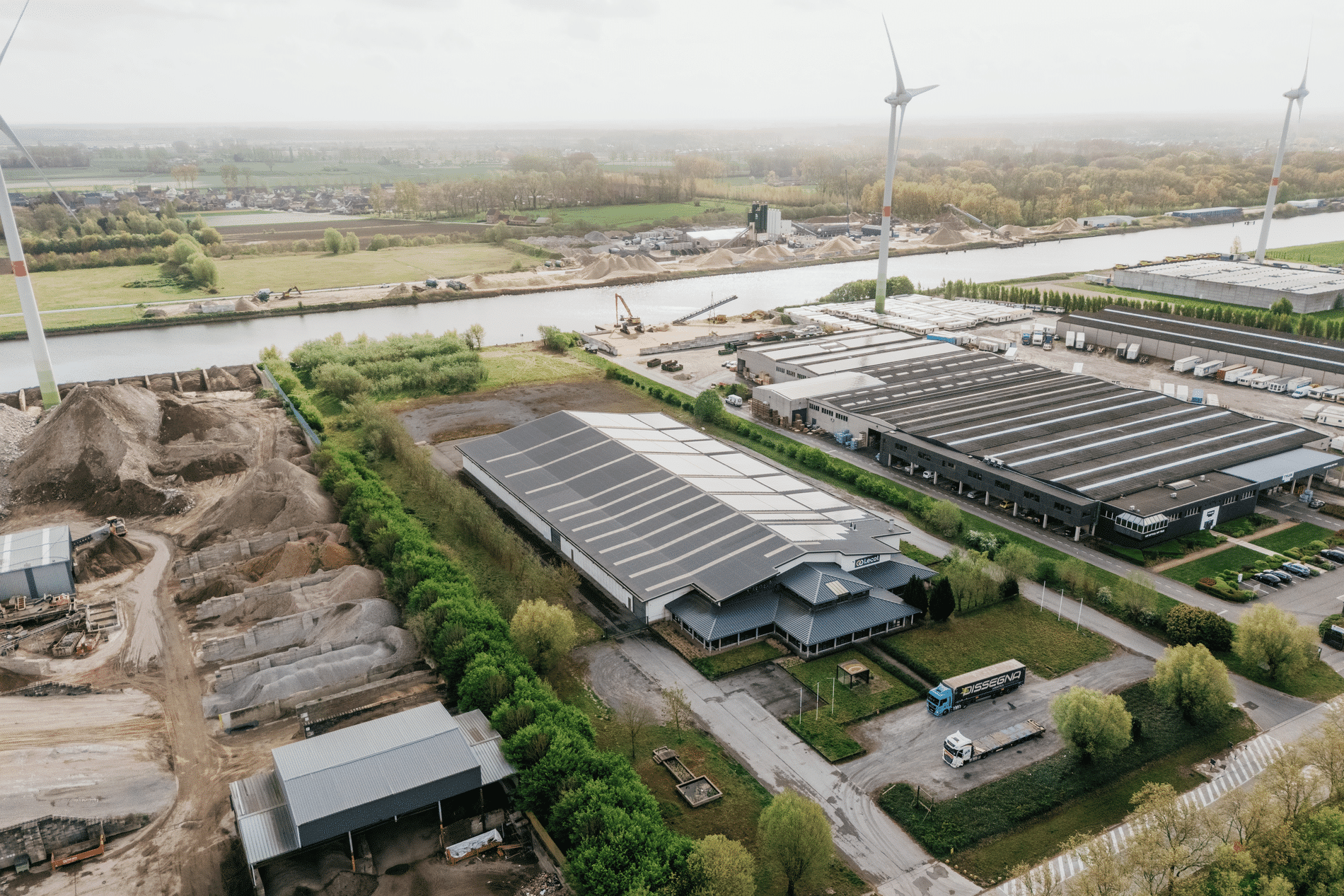
The area's trump card lies in its multimodal character. Where Zeebrugge profiles itself with deepsea terminals and a strong position in ro-ro and automotive, the Baudouin canal forms the connection to the hinterland. With a draught of eight meters and three docks, the canal offers space for both inland and smaller seagoing vessels.
Vanthillo explains: “Today there are already about a dozen terminals operating focused on waterborne transshipment. This activity is clearly on the rise: with an annual throughput of some 2.2 million tons - ranging from building materials to dry and liquid bulk - the importance of this zone as a logistics hub is growing. At the same time, there is room for additional activities. We want to evolve towards a mix of transshipment, storage and logistical processing. Warehouse warehouses light industrial activities can coexist here perfectly with the existing port activities.”
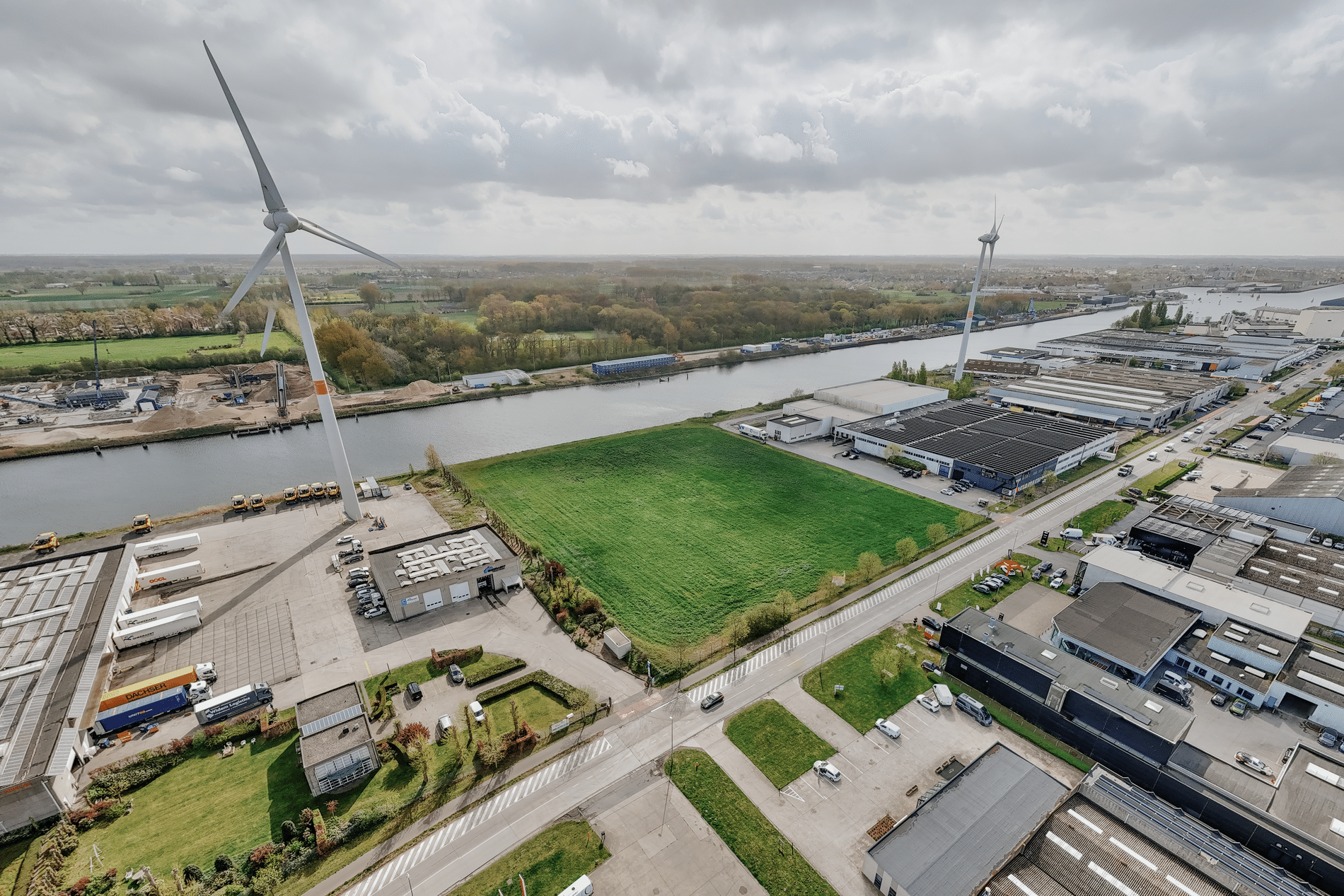
A key element in the market survey is the concession model. “Instead of purchasing land, companies get a long-term right to develop their operations for an annual fee,” Vanthillo confirms. “This offers companies additional flexibility. The concession fee is an operational cost, not a heavy initial investment. This allows companies to allocate their capital to their core business.”
“Moreover, concessionaires benefit from the existing port infrastructure and connections within the Port of Antwerp-Bruges network. This makes it easier to organize logistics chains efficiently and scale up commercially.”
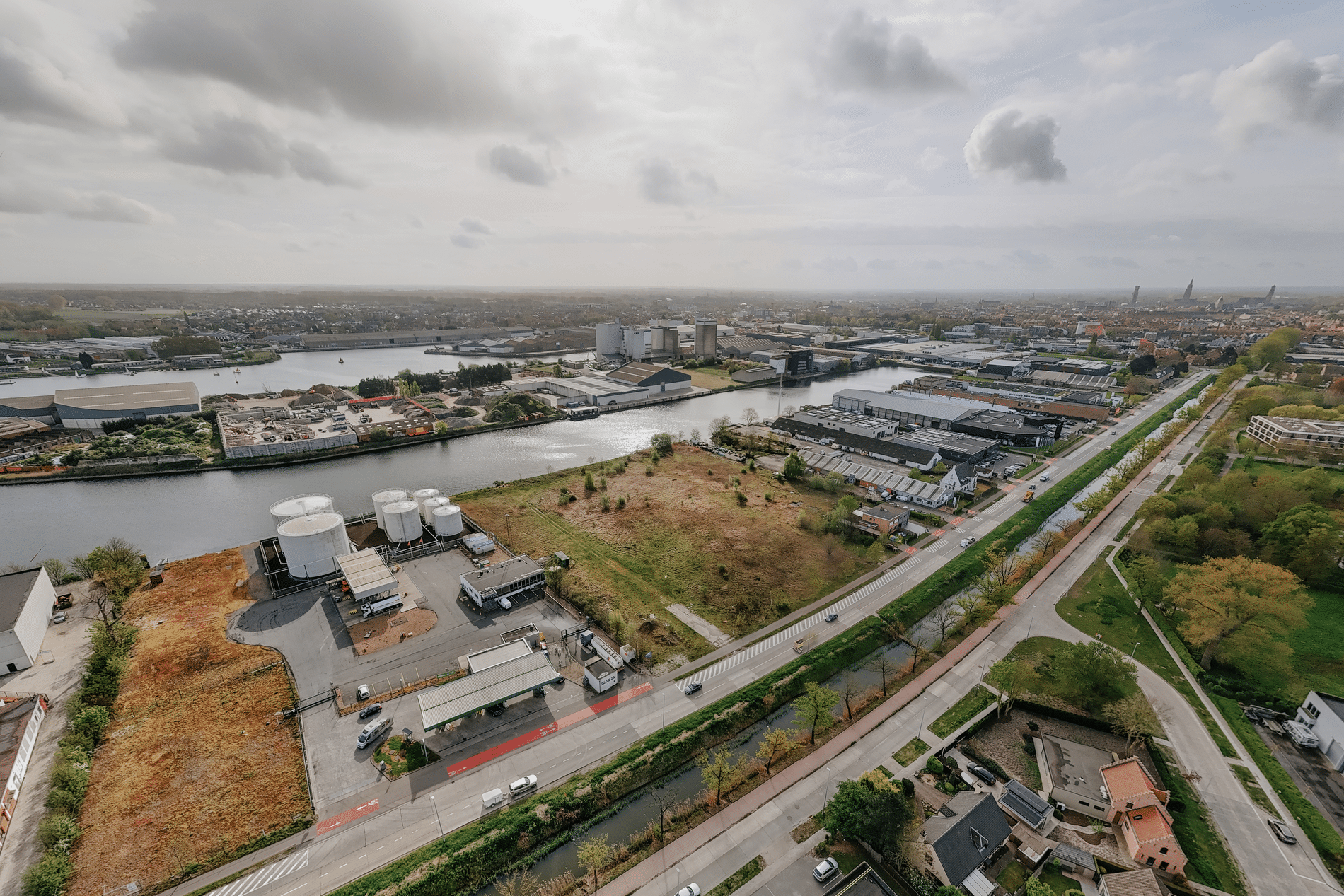
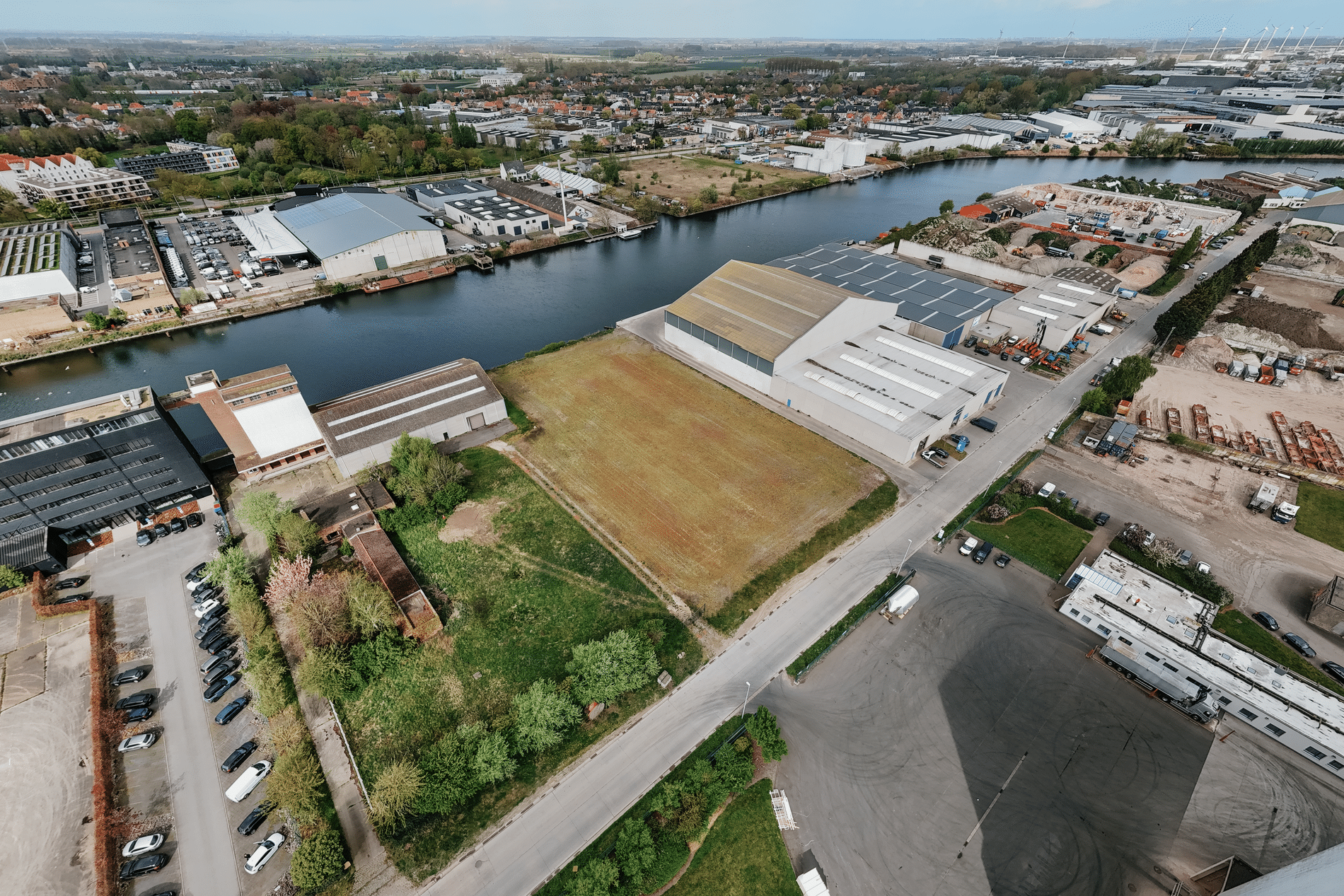
The market survey brings together six sites, accounting for over 10.5 hectares, scattered along the Baudouin Canal and the Nijverheidsdok. Some plots are ready for construction, others already have existing infrastructure such as warehouses or silos.
Vanthillo: “From Port of Antwerp-Bruges we want to invest in additional infrastructure, such as quay walls, through co-financing. In this way, as a port authority, we lower the entry threshold for companies that want to invest in waterbound logistics. Moreover, we are not looking for a standard infill: we aim for projects that offer clear added value for the port platform and contribute to sustainable economic development.”
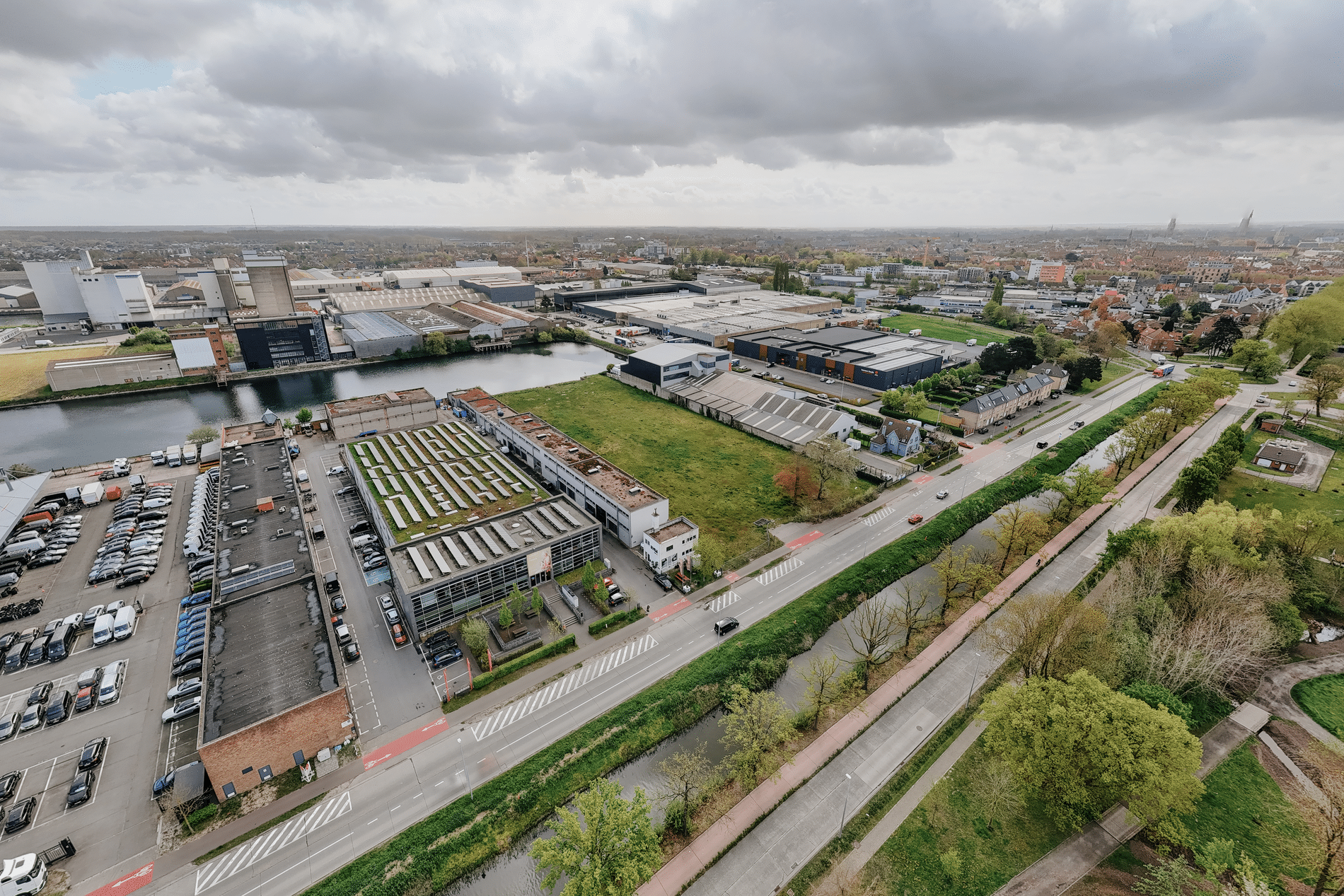
Although the call is open to a variety of players, the focus is explicitly on companies with regional roots. West Flemish companies looking to expand or optimize their logistics activities are an important target group.
“Local companies know the region and often already have a strong operational base,” says Vanthillo. “By offering them opportunities in the port environment, we not only strengthen their growth, but also the broader economic ecosystem.”