warehouselogistiek.eu
EN

The platform for internal & external logistics, supply chain and automation
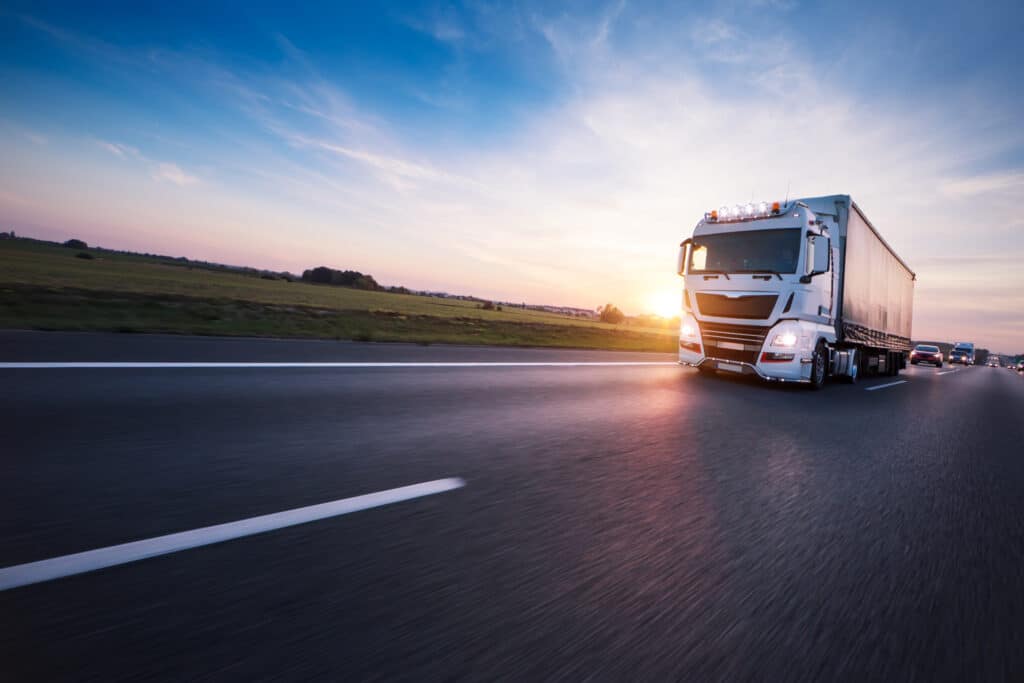
The price for a gallon of fuel has risen sharply in recent months. Here and there, meanwhile, unrest about possible fuel shortages is also growing. It affects not only citizens, but also companies that depend on transportation. Unfortunately, it does not look like the situation will normalize soon. Therefore, this should be the signal to avoid viewing logistics as a necessary evil, and focus on efficient and dynamic route planning.
Is the Strait of Hormuz open or closed? It is a daily item in the news. The answer has major implications for our fuel bill. Since the start of the war in Iran, the price at the pump has risen to dizzying heights. In the short term, this has a negative impact on an organization's logistics costs. But we must also look beyond that. In the (medium-)long term, for example, we can also expect inflation and higher labor costs.
For companies, that's the signal to cut back. And that's not the first time. Since the pandemic, we have gone from one ‘shock’ to another in the supply chain. You would expect organizations to be used to this by now, but typically many still quickly revert to the old mode. Why would they change something that has worked well for years? Especially in transportation, fundamental change is often challenging.

When companies make efficiency gains, the first thing they think about is their internal processes, such as making sure that warehouse operations run smoothly. Of course, investing in this is a good thing, but we should not lose sight of the impact of logistics. Especially with fuel prices breaking records, organizations need to look for efficiency in their transportation. With more dynamic scheduling that allows smarter routes with additional stops. Or that reduces the number of trips.
Logistics no longer has to be a pure cost. With an optimized plan, it is not uncommon for companies to have about 15% less mileage driving. By deviating from fixed trip schedules and making routes more flexible, logistics providers can offset a significant portion of increased fuel costs. At the same time, they make deliveries much more environmentally friendly, as they travel up to 20% less distance per stop than with a traditional approach. Smarter route planning and higher route density can also increase delivery capacity with 35% increase without having to expand the fleet. Yet for many companies, transportation is still static. So a new mindset offers opportunities.
As in other sectors, transportation can count on optimization tools and technology based on AI and Machine Learning. Manually, it is almost impossible to dynamically plan routes of a large fleet. You would first have to collect a large amount of data in a spreadsheet and then try to visualize the data in graphs to extract insights. Many organizations therefore do not do this, or they analyze their trips at most once or a few times a year.
If you have actual execution data, that work no longer needs to be done manually. Simply asking a question with AI will allow you to process information quickly. You can basically even adjust routes continuously by enabling machine learning. This can increase route density up to 30%. The most successful companies no longer analyze their trips on a quarterly or annual basis, but do so weekly to daily, as real-time analysis quickly resolves inefficiencies, avoids unnecessary mileage and reduces fuel costs.
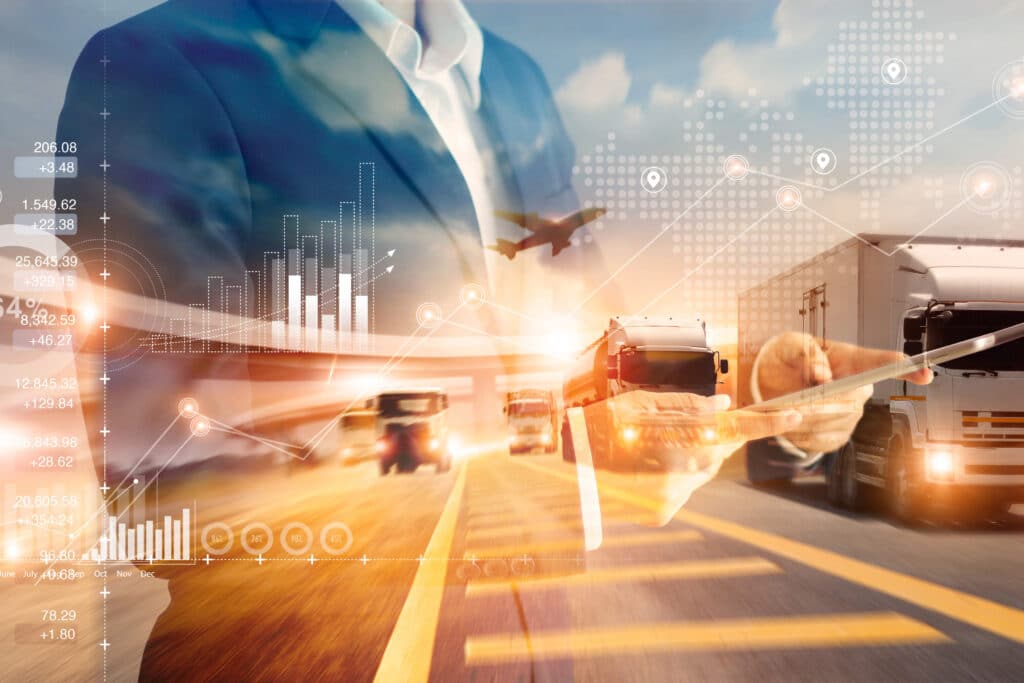
Only a minority of organizations have completed that automation process. Most companies still have big steps to take. In doing so, they often get stuck in the familiar silos: there is a wall between teams, preventing insights from flowing through. In the transportation department, they sometimes have no idea about the feedback from end customers on their deliveries, because this is the responsibility of customer service. And as long as no one shows up at their desk with a complaint, they assume everything will be fine.
But even when it runs well, there are often many efficiency gains to be made. Perhaps drivers meet their time slots so quickly that two to three additional stops on their route are feasible. They may also have to wait unnecessarily long at a customer or spend more time somewhere than necessary. You don't get those insights, because satisfied customers are not aware of this and so they are not reported. You can't know unless you measure it, for example, with telematics.
Drivers also play an important role in this. If they deviate from their routes or turn off systems during a trip, you don't have good data to analyze. So in addition to breaking down silos and integrating technology, you have to train your people to work with it. It also benefits drivers, by the way, because more dynamic scheduling prevents overload and reduces the impact of absences due to illness.
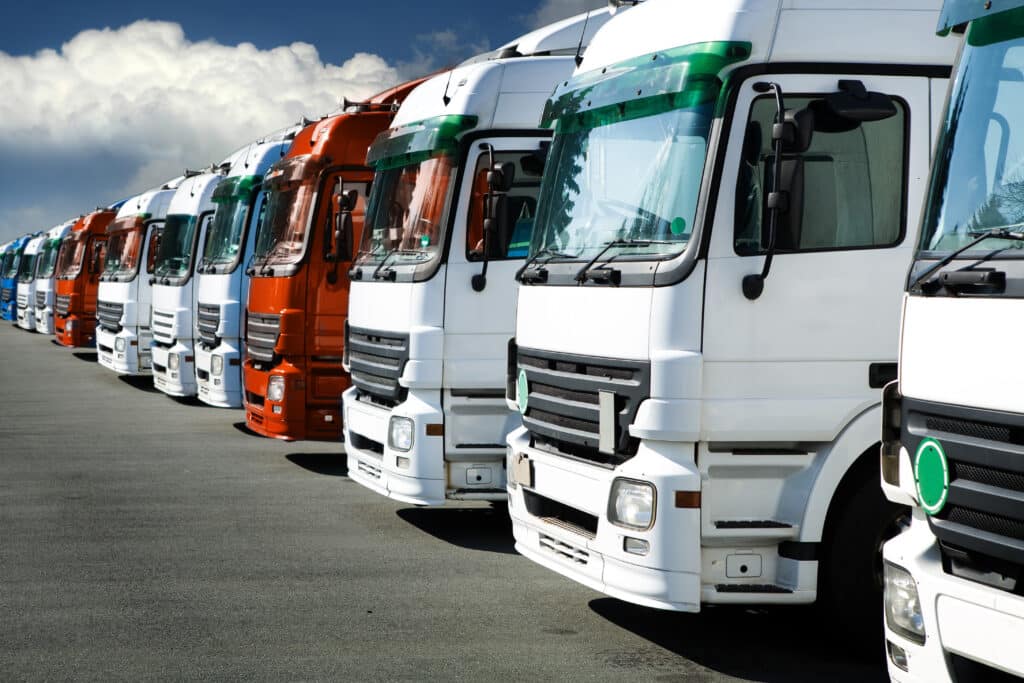
Once you have the right insights, you can better control challenges such as rising fuel costs. For example, customers may accept more flexibility in deliveries in exchange for eliminating fuel allowances.
Those who continue to watch the cat out of the tree risk becoming increasingly out of step in the months and years ahead. Working solely on assumptions about routes and delivery networks puts pressure on margins, increases costs and ultimately causes organizations to lose competitiveness.
Moreover, new shock waves are coming. When the Strait of Hormuz will hopefully reopen soon, then other events can challenge the long-term agility of companies and the supply chain. Consider not only contingencies, but also measures around sustainability, low-emission zones and new truck taxes. In an uncertain and fickle climate, you need technology that makes business strategies dynamic. Companies need to seize the current crisis as an opportunity and then they will be better able to reap the benefits over time.