warehouselogistiek.eu
EN

The platform for internal & external logistics, supply chain and automation
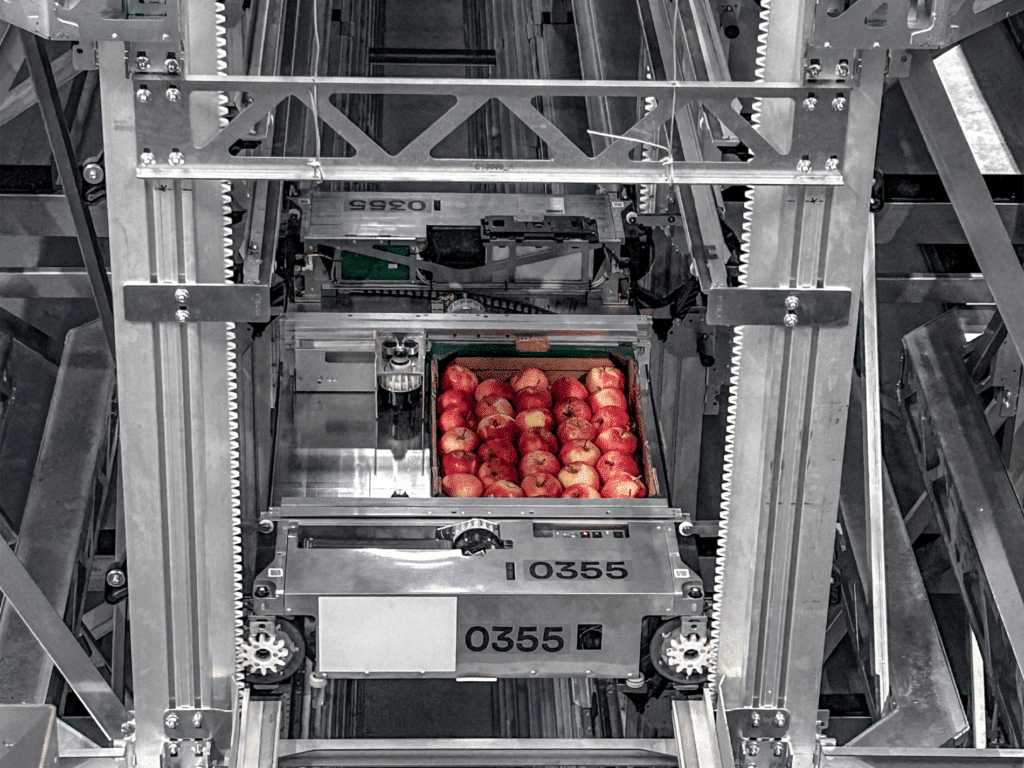
Intralogistics is under increasing pressure. A growing variety of items, fluctuating order volumes, limited space, and a shortage of staff are making rigid warehouse concepts less and less attractive. Modular automation solutions are becoming particularly important in situations where existing buildings, seasonal peaks, and diverse product profiles converge. They can be expanded step by step and easily integrated into existing structures.
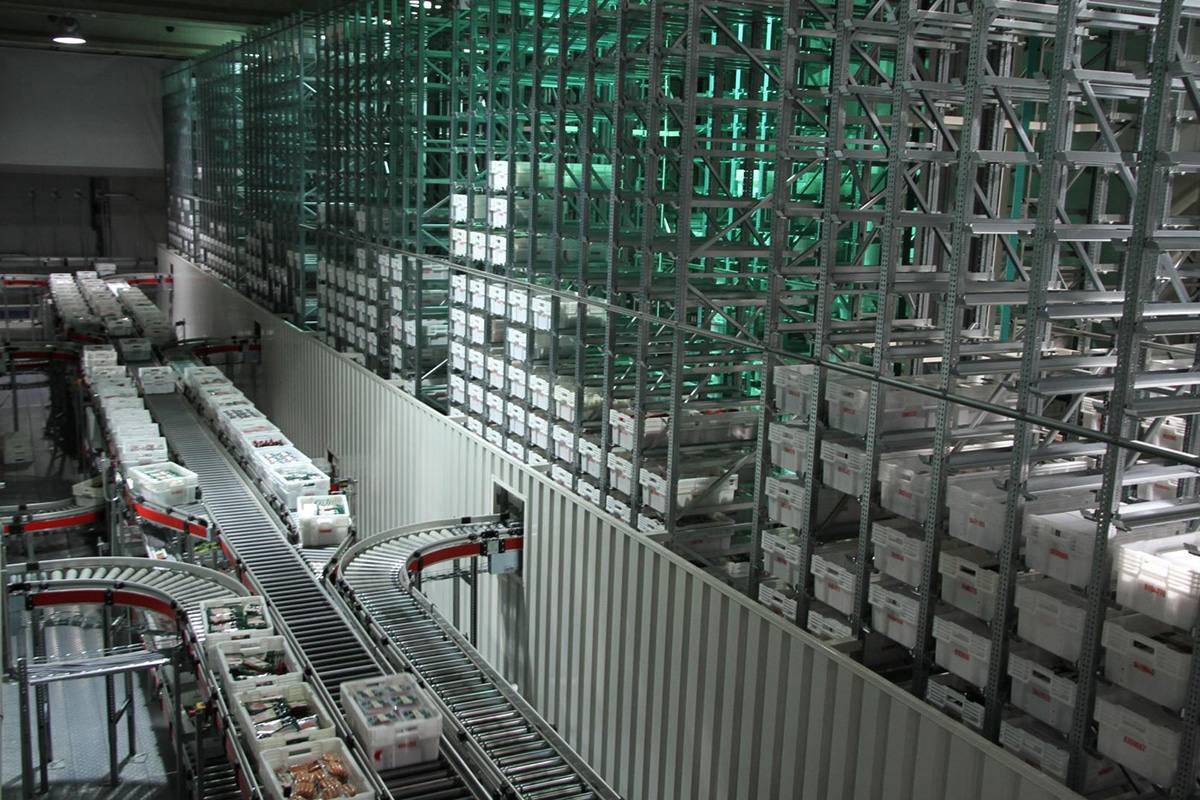
One example of this is Advasolutions’ shuttle system. This system replaces central lifting mechanisms with autonomous vehicles that move horizontally, vertically, and laterally through the rack. Notably, the system does not require central lifts: each shuttle changes levels independently via integrated travel and lifting zones within the racking system. As a result, dependence on central components decreases, the system’s resilience increases, and available storage space is utilized more efficiently.
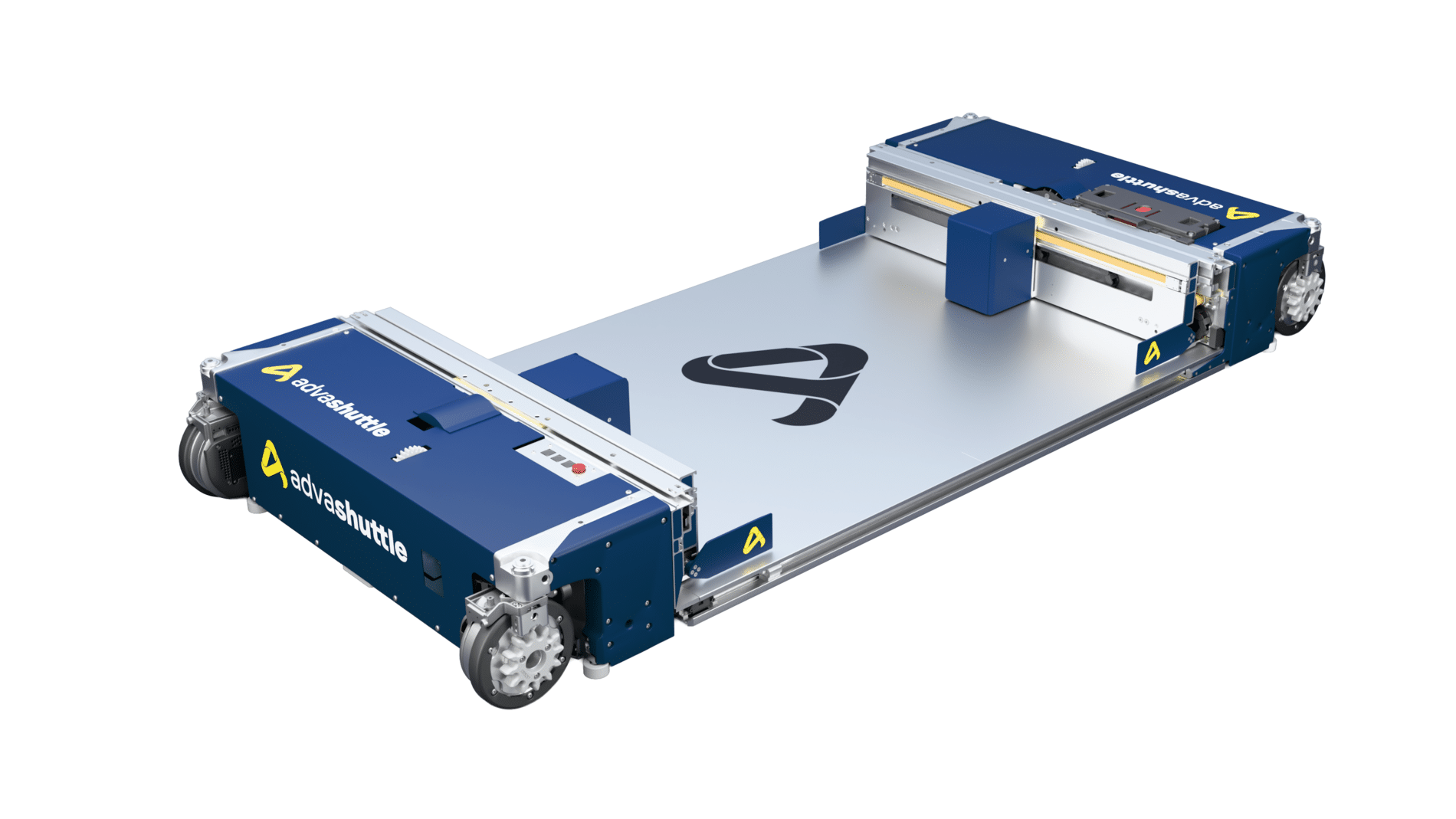
In addition, the system stands out for its direct goods handling. Instead of using fixed system containers, the system can handle cardboard boxes, loose items, and other load carriers measuring up to 800 × 600 × 600 millimeters and weighing up to 25 kilograms. The rack serves as the modular support and guidance structure, while the shelving system utilizes dynamic storage locations that adapt to the actual product dimensions. Unused storage space is automatically reallocated. This minimizes repacking operations, reduces wasted space, and makes the system particularly well-suited for changing product assortments.
The operational intelligence is embedded in the in-house developed Warehouse Execution System (WES), which acts as a digital twin to visualize movements, inventory, and resources in real time, plan routing, and synchronize putaway and picking processes. The advaManager complements this with an overarching platform for processes and data. The system consolidates orders, inventory management, sales, documentation, and compliance into a single web-based environment and supports role- and permission-based access control, audit logs, digital archiving, and integrations with accounting and warehouse management systems.
Artificial intelligence further expands these capabilities. Modern systems automatically detect anomalies in the material flow and can perform quality checks in real time. At the same time, self-learning algorithms analyze traffic flows, utilization rates, and priorities within the warehouse to continuously optimize transport movements.
As a result, error rates, energy consumption, and turnaround times decrease significantly.
The role of employees is also changing. Physically demanding work—for example, in cold storage facilities or involving repetitive transport tasks—is increasingly being automated. This reduces the workload on employees while also increasing the stability of processes. Especially given the ongoing labor shortage, automation is thus becoming a key factor in ensuring the future viability of many companies.
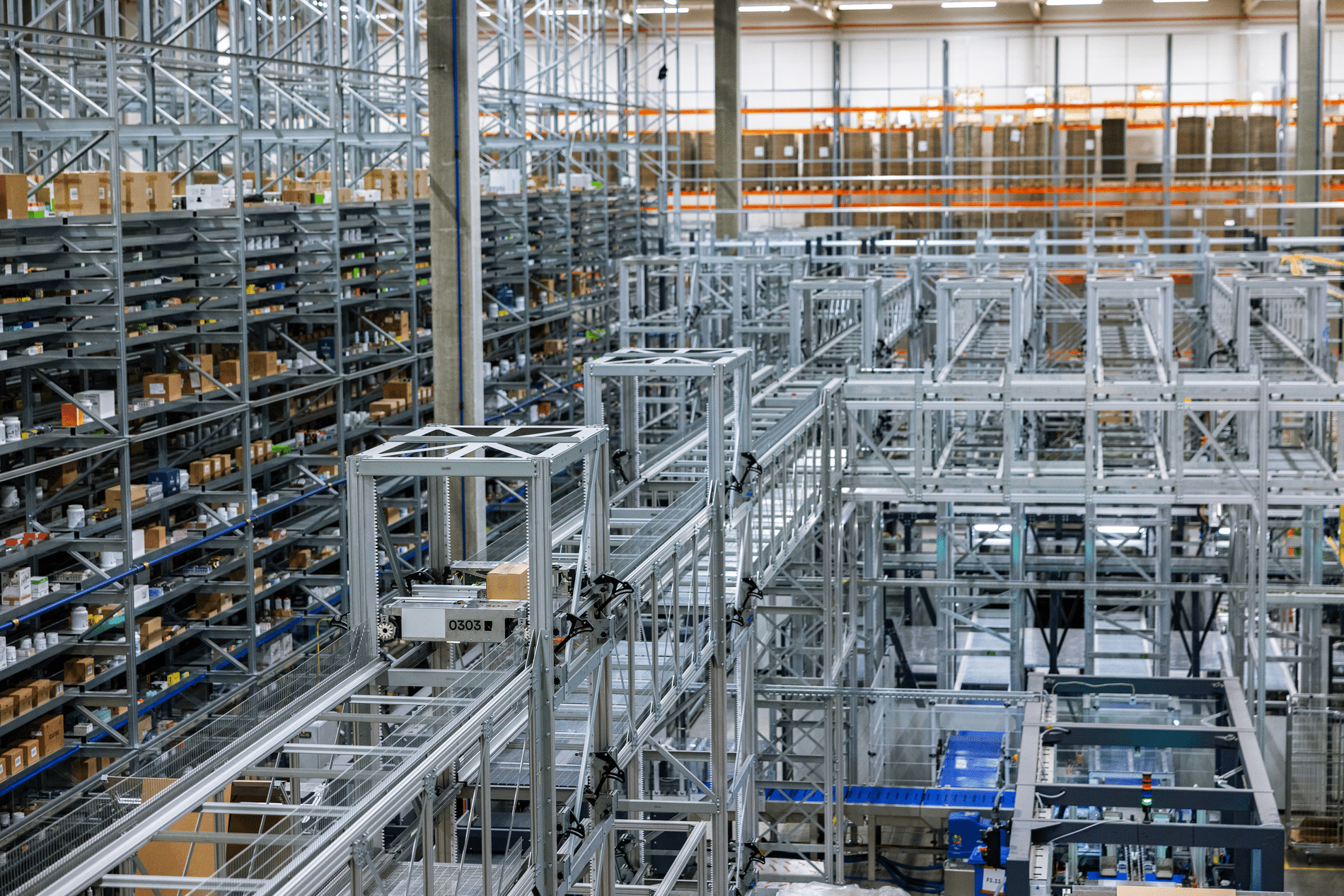
Rodrigo Arias, CTO of the German provider Advasolutions, sees this as a fundamental shift within the industry. According to Arias, warehouses in the future will no longer need to be rigidly configured for specific items or processes. Instead, adaptive systems are emerging that flexibly adjust to new requirements while operating more efficiently and resiliently. Warehouse automation is thus evolving from a purely technical infrastructure into a strategic competitive advantage. He believes that companies that invest early in data-driven and modular systems are laying the foundation for stable supply chains, greater efficiency, and sustainable scalability.
Arias adds: “Without robotics, the warehouse becomes the bottleneck.” In doing so, he points to a structural shift: performance is no longer determined solely by mechanics, but by the interplay of shuttle fleets, racking systems, flexible storage locations, and integrated data flows. For companies, this means greater operational reliability, fewer manual errors, more efficient use of space, and scalability that is also economically viable.