warehouselogistiek.eu
EN

The platform for internal & external logistics, supply chain and automation
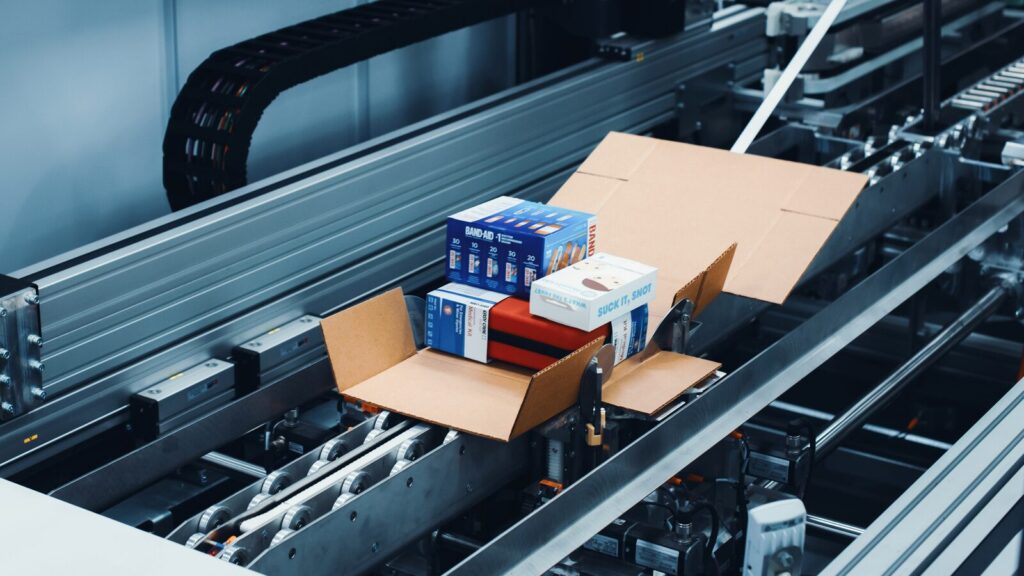
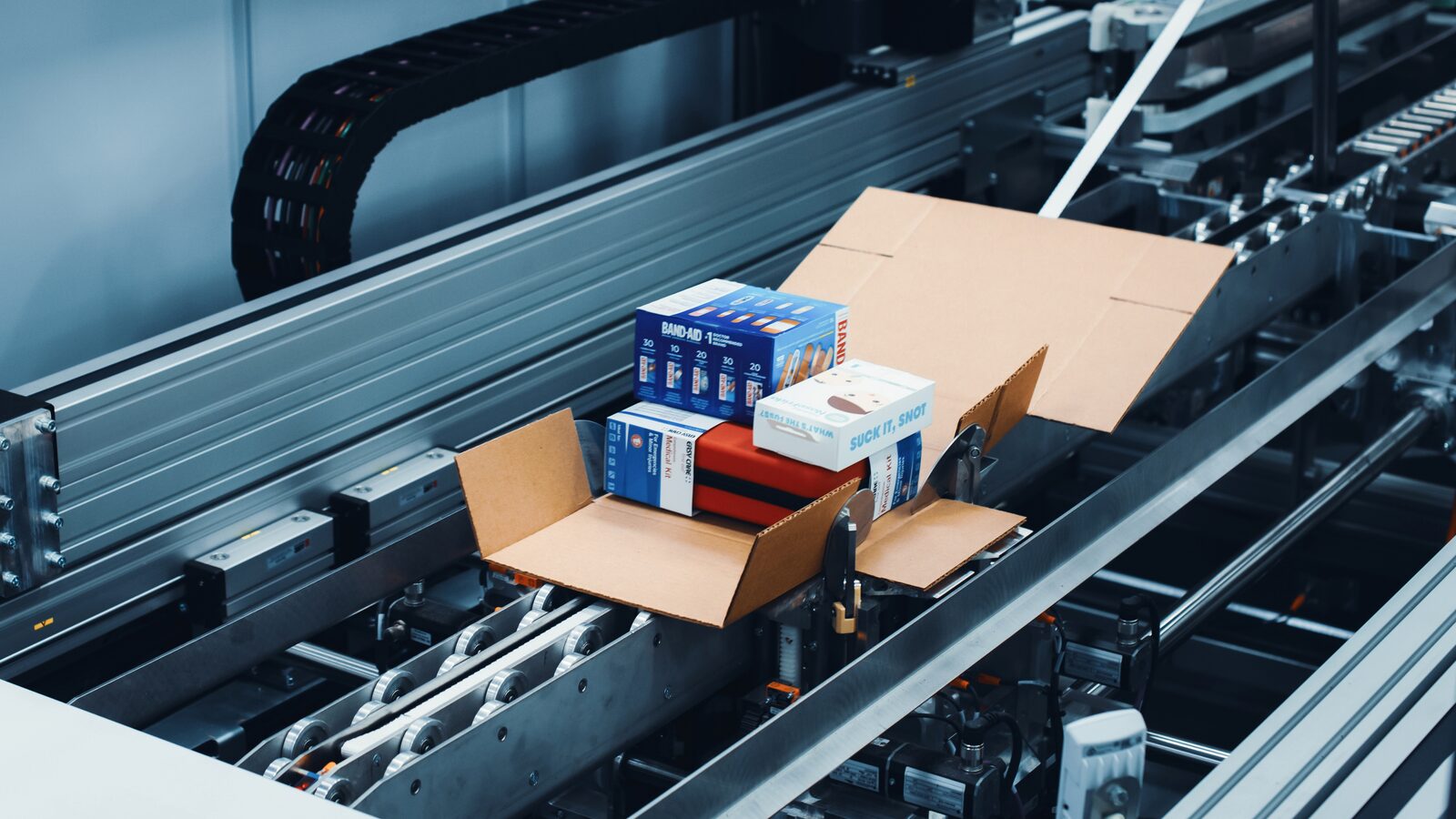
A small product in a huge box, surrounded by air and packing material. Anyone who orders online regularly is familiar with this sight. For years, it’s been the most normal thing in the world: using a limited number of standard boxes and filling in the remaining space. Packsize turns that principle on its head. It’s not the box, but the product that serves as the starting point.
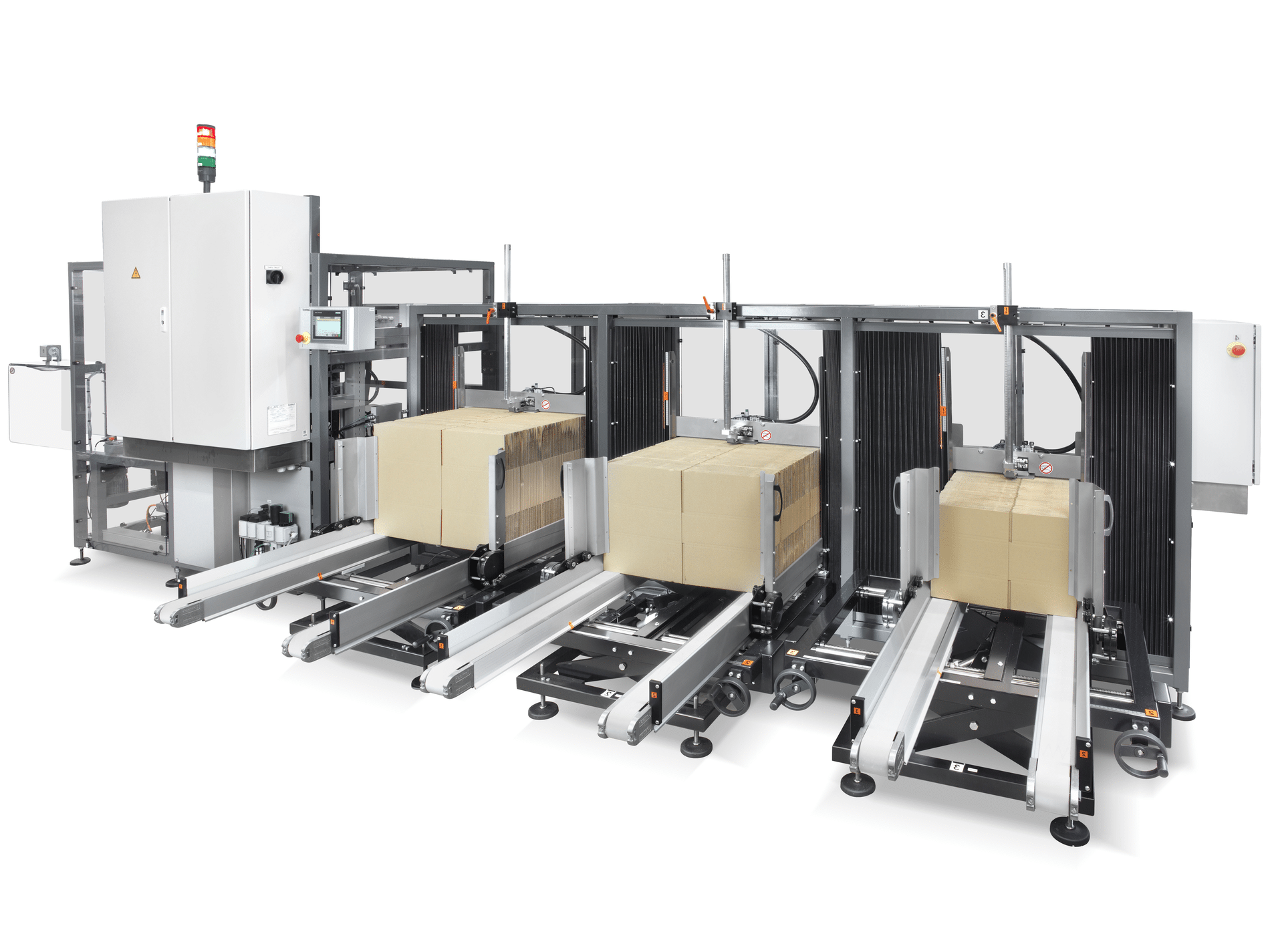
The basic concept is strikingly simple: create packaging that fits exactly what’s inside. Packsize does this using two principles: “box-first” and “box-last.” With “box-first,” product data from the WMS is used to produce a custom-sized box in advance. With “box-last,” the products are actually placed on a machine, after which a 3D scan determines the required dimensions. The machine then immediately cuts, folds, and seals the correct box.
The result is more than just smaller packaging. “Less air means less cardboard, less filler material, and a more efficient use of transport volume,” explains Jeroen Brabers of Packsize. At the same time, the need for dozens of different box sizes is reduced. Packsize works with what’s known as ‘endless cardboard’: flat corrugated cardboard that is delivered on pallets and processed by the machine into the desired box. This also significantly simplifies packaging inventory management.
Automation plays an important role in this regard, especially for companies that process hundreds to thousands of packages every day. According to Brabers, the solution becomes financially viable at around 500 to 1,000 boxes per day, but labor savings, scalability, and delivery capacity are also important factors.” ”Large numbers of packages can be processed with a small staff, even right before the daily cutoff.”
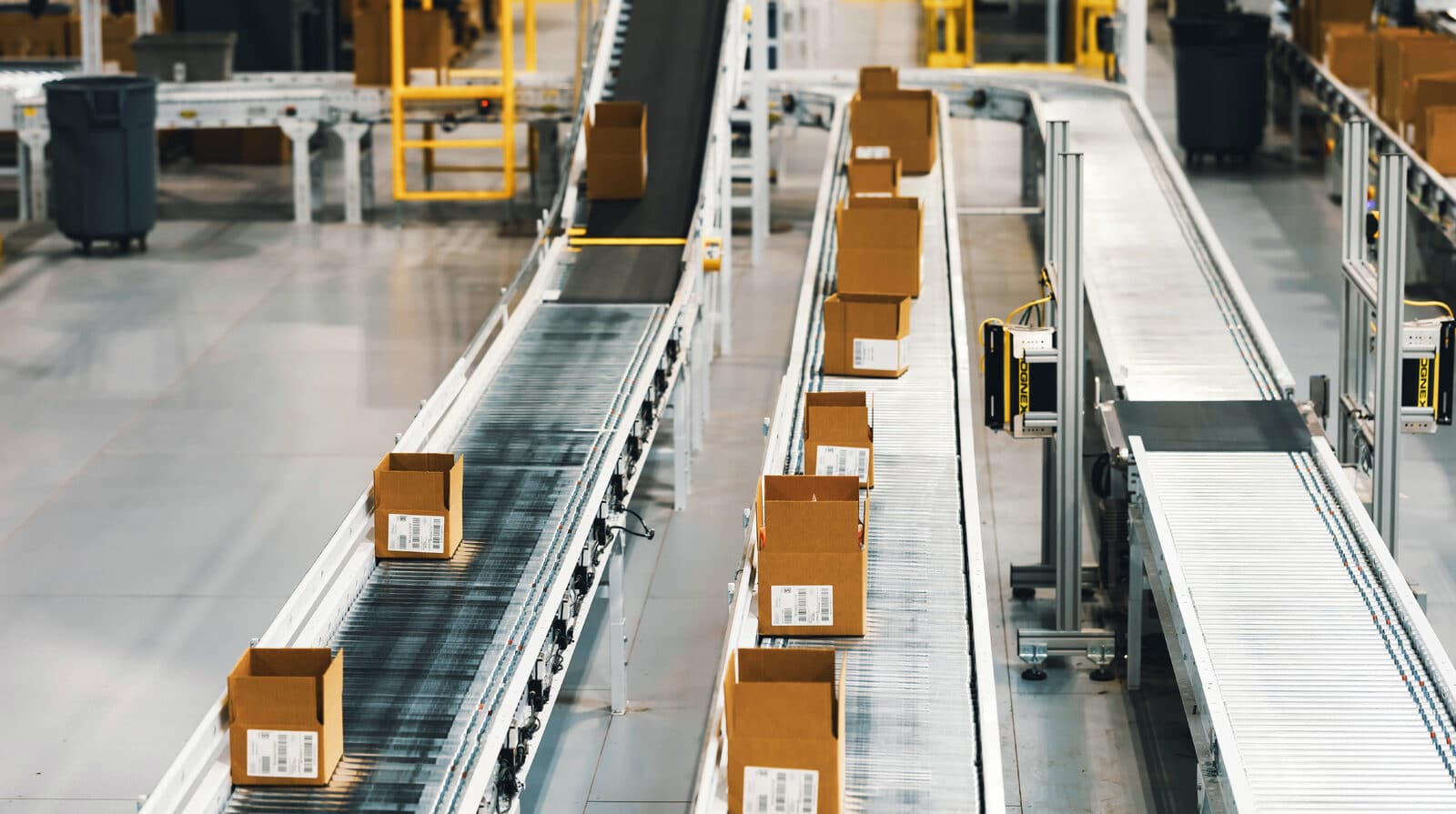
The technology is also highly versatile. “The range of machines extends from solutions for relatively low volumes and non-standard products to systems that produce hundreds to more than a thousand boxes per hour,” Brabers explains. “Even letterbox-sized packages are possible. This not only results in potentially lower shipping rates but also increases the likelihood that a package can be delivered immediately.”
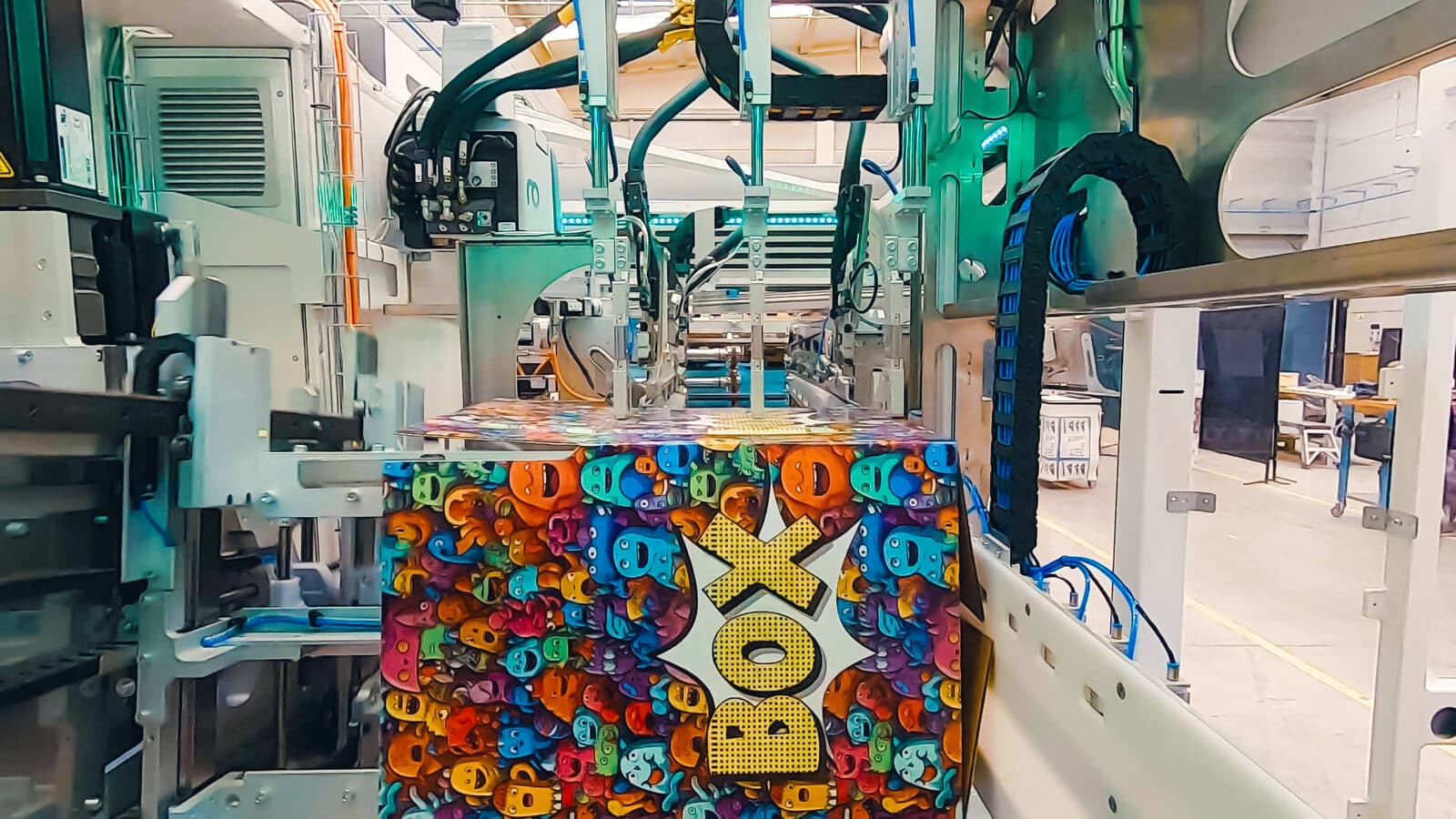
This adds a new dimension: the box as a means of communication. “With on-box printing, each package can be individually customized with, for example, a name, logo, or message. This way, a necessary part of logistics suddenly becomes part of the customer experience,” says Brabers.
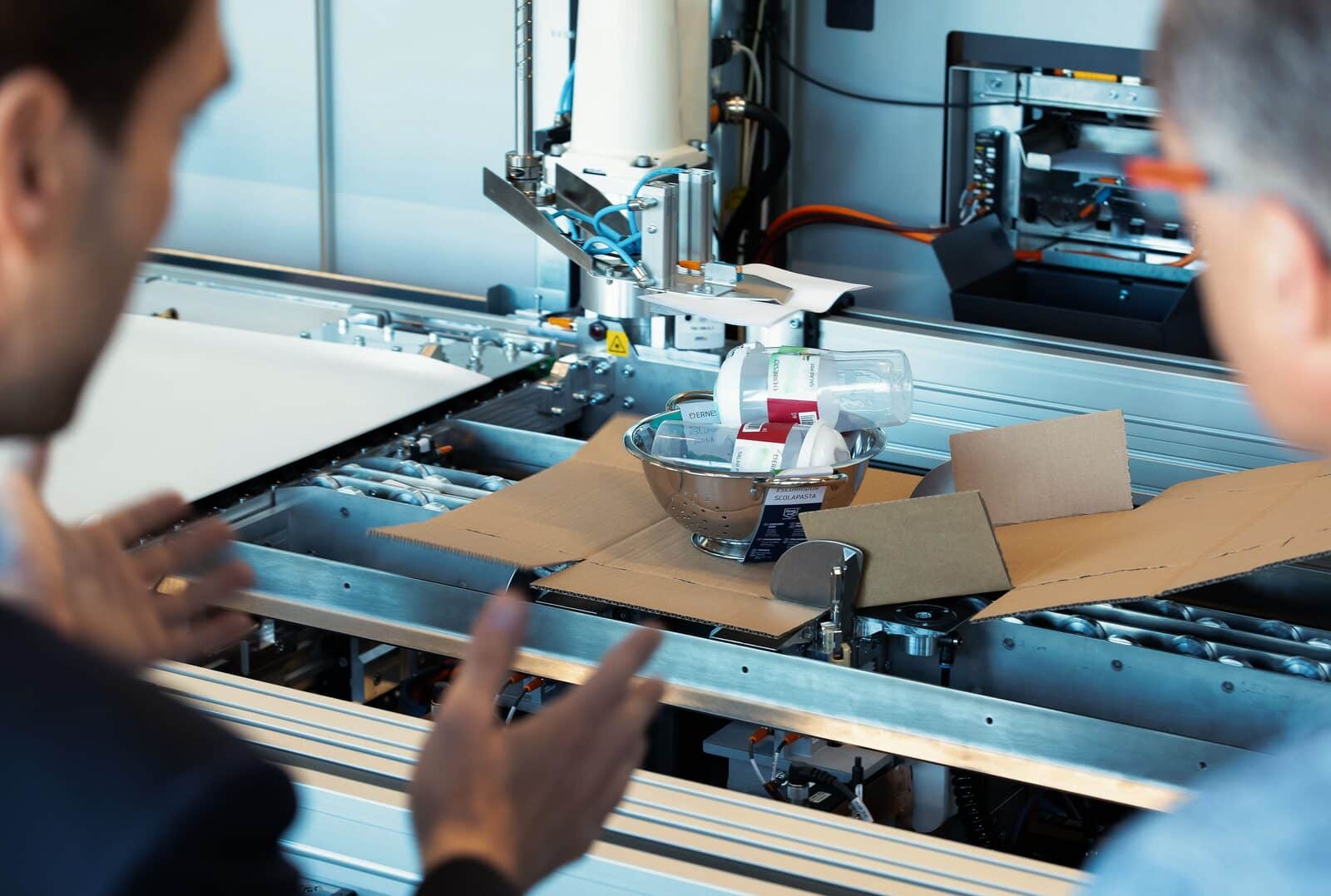
Creating custom boxes is more relevant than ever. “Packaging is under the microscope these days,” says Brabers. “The European PPWR regulations focus, among other things, on sustainability, recycled materials, and reducing excess packaging volume. According to the regulations, starting in 2030, no more than 50 percent of excess air may be shipped. So it’s crucial to start preparing for this now.”
Brabers concluded: “Why would you adapt a standard box to your product when you can use the product itself as the starting point? That way, packaging is no longer a necessary evil, but an automated part of a more efficient, sustainable, and smarter logistics process.”