warehouselogistiek.eu
EN
The platform for internal & external logistics, supply chain and automation
Full visibility throughout the logistics chain helps reduce costs, optimize capacity, and cut CO2 emissions
In the logistics sector, companies are under increasing pressure to operate more efficiently, sustainably, and cost-effectively. At the same time, demands regarding delivery reliability, inventory availability, and supply chain transparency continue to rise. For organizations that use reusable transport packaging and load carriers, managing these assets poses a particularly significant challenge.
The same applies to Recalo, a specialist in the pooling of Returnable Transport Items (RTIs). The company manages more than 90,000 reusable load carriers that circulate continuously among manufacturers, logistics service providers, and end users. To ensure customers always have sufficient transport resources, insight into the location and availability of each carrier is essential.
Many organizations struggle with a lack of visibility into their circulating transportation assets. The result is a combination of lost assets, higher safety stock levels, inefficient return flows, and unnecessary transport movements. Furthermore, a significant amount of working capital is tied up in excess load carriers intended to accommodate peaks in demand.
It was clear to Recalo that manual data entry or a solution based solely on barcodes would be insufficient. Large numbers of RTIs must be processed simultaneously and recorded in real time.
“The most important criteria for us were high data quality, fast bulk registration, and the ability to automate processes,” says Daniel van der Vorst, managing director of Recalo. ”When hundreds of cargo carriers are shipped at the same time, that’s practically impossible to achieve using barcodes alone.”
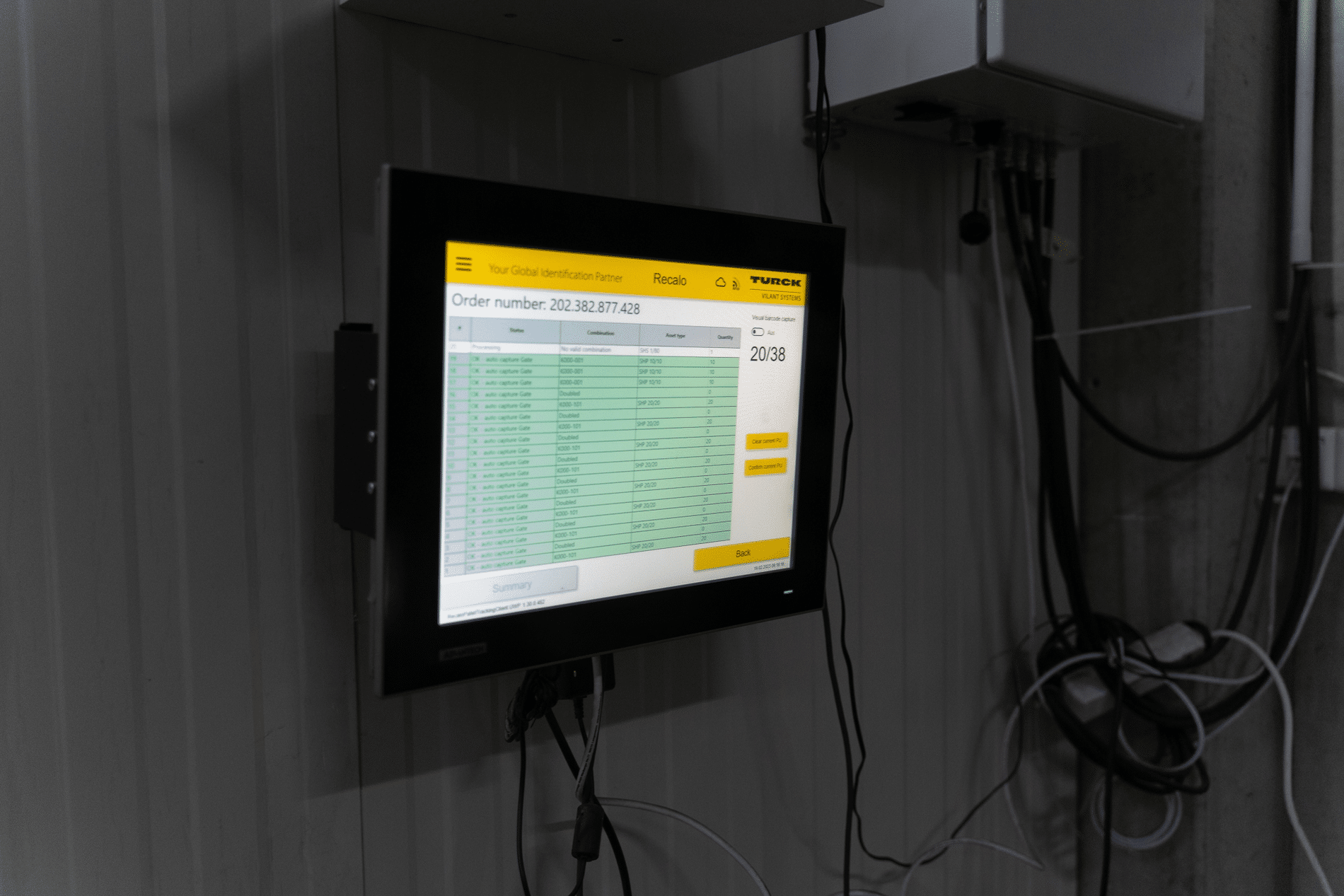
To achieve full traceability, Turck Vilant Systems implemented an RFID-based track-and-trace solution. Each RTI was equipped with a hybrid label featuring both a barcode and an RFID tag. RFID gates automatically record entire shipments as they enter or leave the warehouse.
The solution is integrated with Recalo’s ERP system, providing continuous visibility into the location, status, and availability of all load carriers. This enables the company to identify shortages early on, optimize return flows, and ensure customers always have sufficient RTIs. According to Van der Vorst, that was precisely the strength of the partnership with Turck Vilant Systems. “I immediately noticed that Turck Vilant understood our processes and challenges. We weren’t just looking for technology, but for a partner who understood our logistical reality and our international growth plans.”
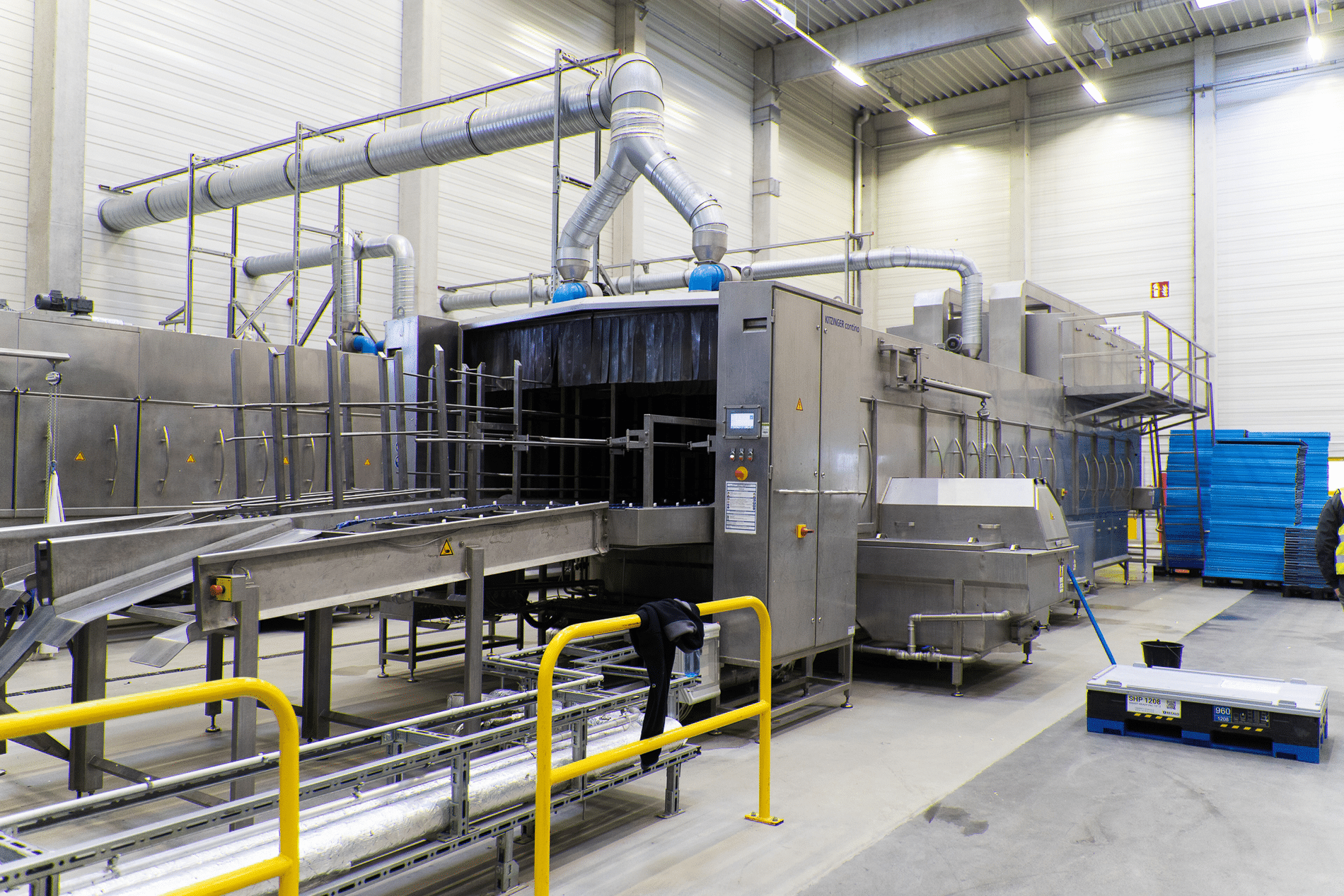
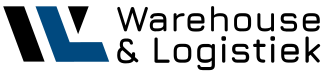
A key benefit of this solution is the optimization of truck loading. The system calculates how high load carriers should be stacked to make the most of the available cargo space. This allows the same amount of goods to be transported with fewer trips.
In addition, the loading and unloading process is significantly faster. Entire stacks of load carriers are scanned in a single motion via RFID gates, which reduces errors and increases operational efficiency. At Recalo, this allows an entire truck to be loaded in less than half an hour.
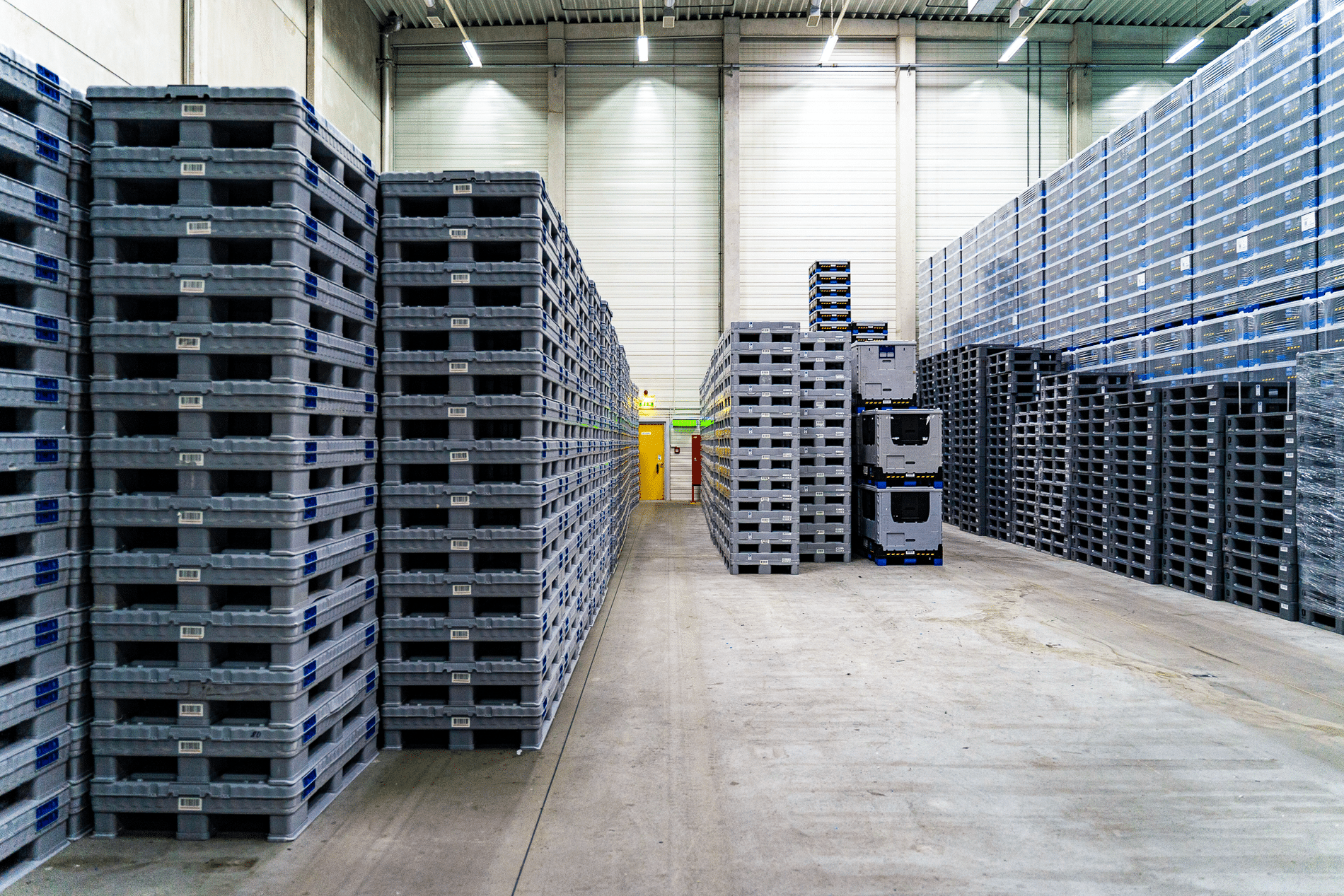
In addition to cost savings, the solution also offers clear sustainability benefits. The pooling concept ensures that transport vehicles are continuously reused, while optimal vehicle loading leads to fewer transport trips and lower fuel consumption. Furthermore, the reusable plastic RTIs have a long service life and are equipped with replaceable wear parts, reducing the need for complete replacement.
“Sustainability is at the heart of our business model,” says Van der Vorst. ”Our goal is to provide the best possible logistics services using as few resources as possible. Thanks to a combination of pooling, smart logistics planning, and real-time tracking, we can help our customers actually reduce their carbon footprint.”
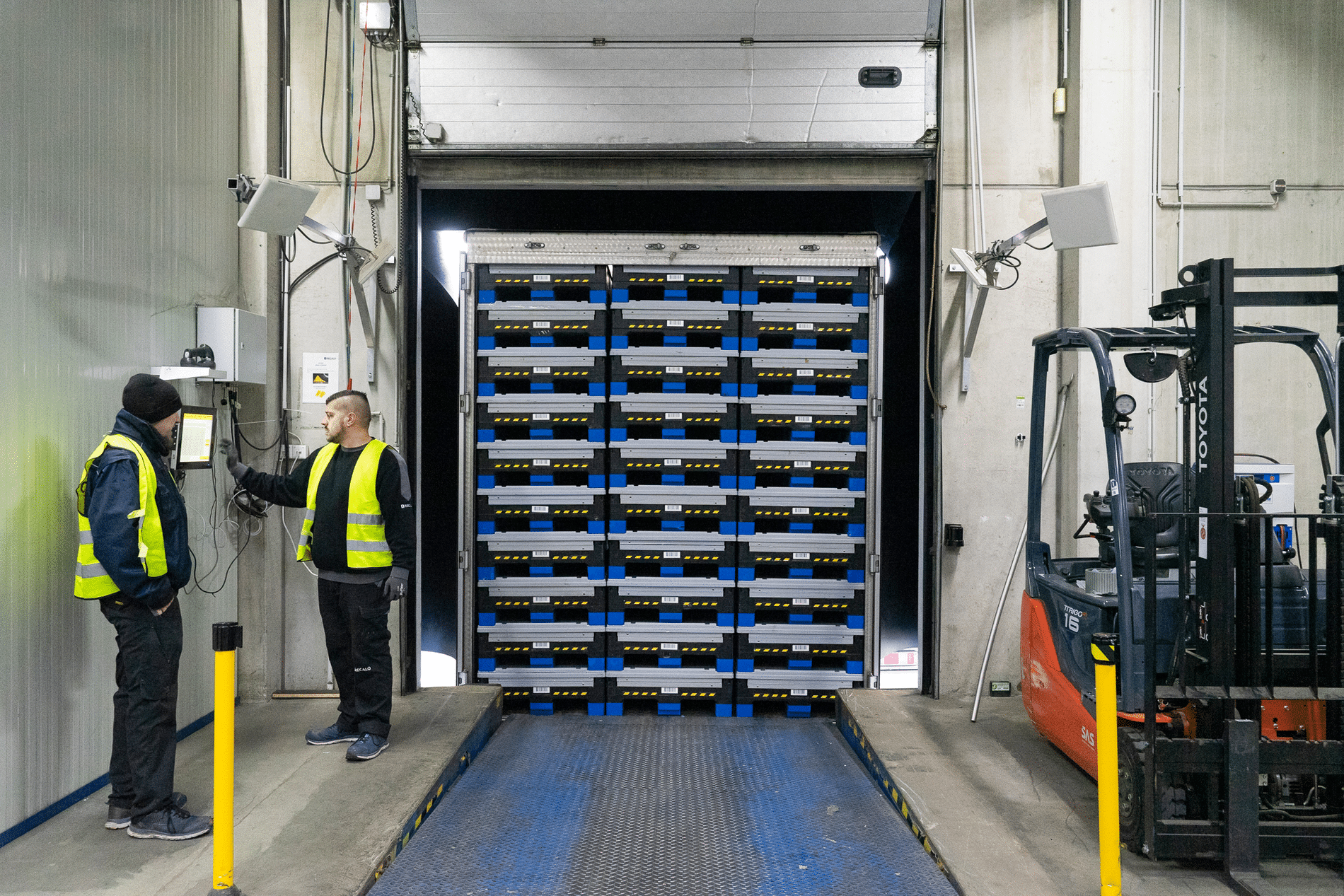
Thanks to the RFID solution from Turck Vilant Systems, Recalo now has complete control over its international RTI fleet. The result is a combination of lower operating costs, maximum availability of load carriers, higher transport efficiency, and demonstrably lower CO₂ emissions. This is a real-world example of how digitalization directly contributes to both economic and sustainable logistics performance.
Neem dan rechtstreeks contact op met TURCK MULTIPROX.
 Contact opnemen
Your Global Automation Partner Turck Multiprox is the Belgian subsidiary of Turck, your global partner for factory, process and logistics automation in numerous industries. With our digital network solutions for efficient automation systems, we are one of the pioneers of Industrie 4.0 and IIoT. As a specialist for smart sensor technology and decentralized automation, we bring intelligence to [...]
Bekijk Bedrijfsprofiel