warehouselogistiek.eu
EN

The platform for internal & external logistics, supply chain and automation
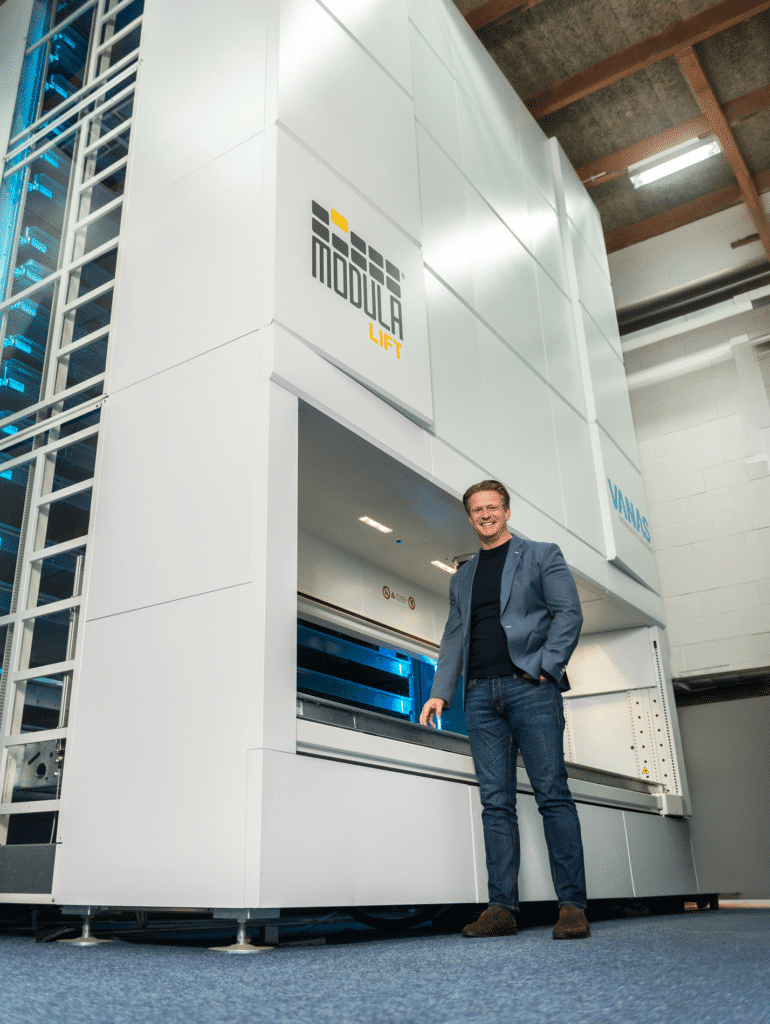
Warehouse automation isn't just about robots, shuttles, and advanced software. According to Andy van Mieghem, managing director of Vanas Engineering, a successful automation project starts with a much simpler question: what does a company really need?
“All too often, we see companies falling in love with a particular technology,” he says. “Because their competitor or an acquaintance is using it, or because it looks innovative. But the best solution isn’t automatically the most advanced or the most expensive one.”
Vanas Engineering helps companies in Belgium and the Netherlands design their warehouses and production environments more efficiently. The focus is not on the technology itself, but on the results. The main goals are almost always the same: increased storage capacity, higher productivity, and fewer errors.
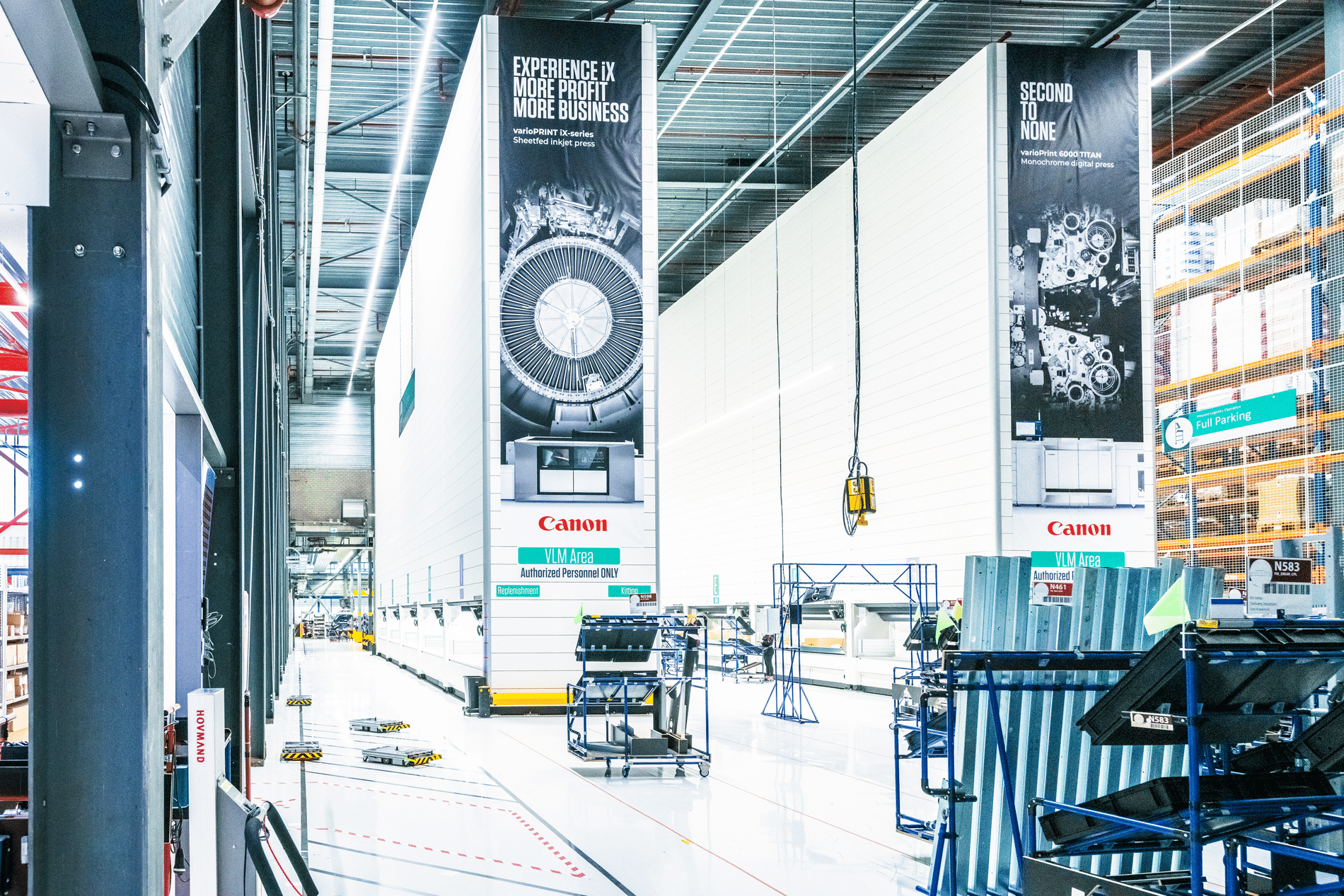
According to Van Mieghem, one of the most effective ways to save space is to make use of the available height. “With automated platform lifts, for example, goods can be stored up to 22 meters high. The products are automatically brought to the employee according to the goods-to-person principle. This allows us to save up to 90 percent of floor space in some cases and drastically reduce walking distances. In many warehouses, walking still accounts for about 70 percent of order-picking time. By eliminating that, an employee can work two to four times more efficiently.”
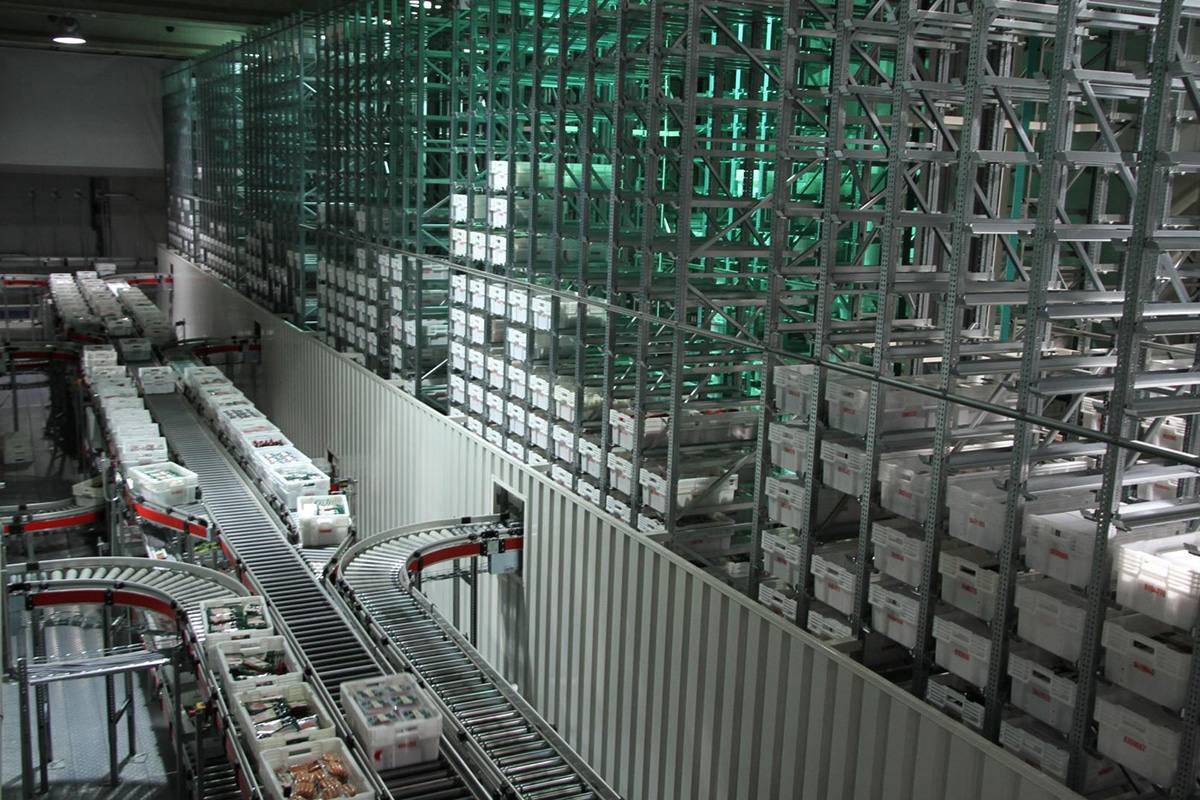
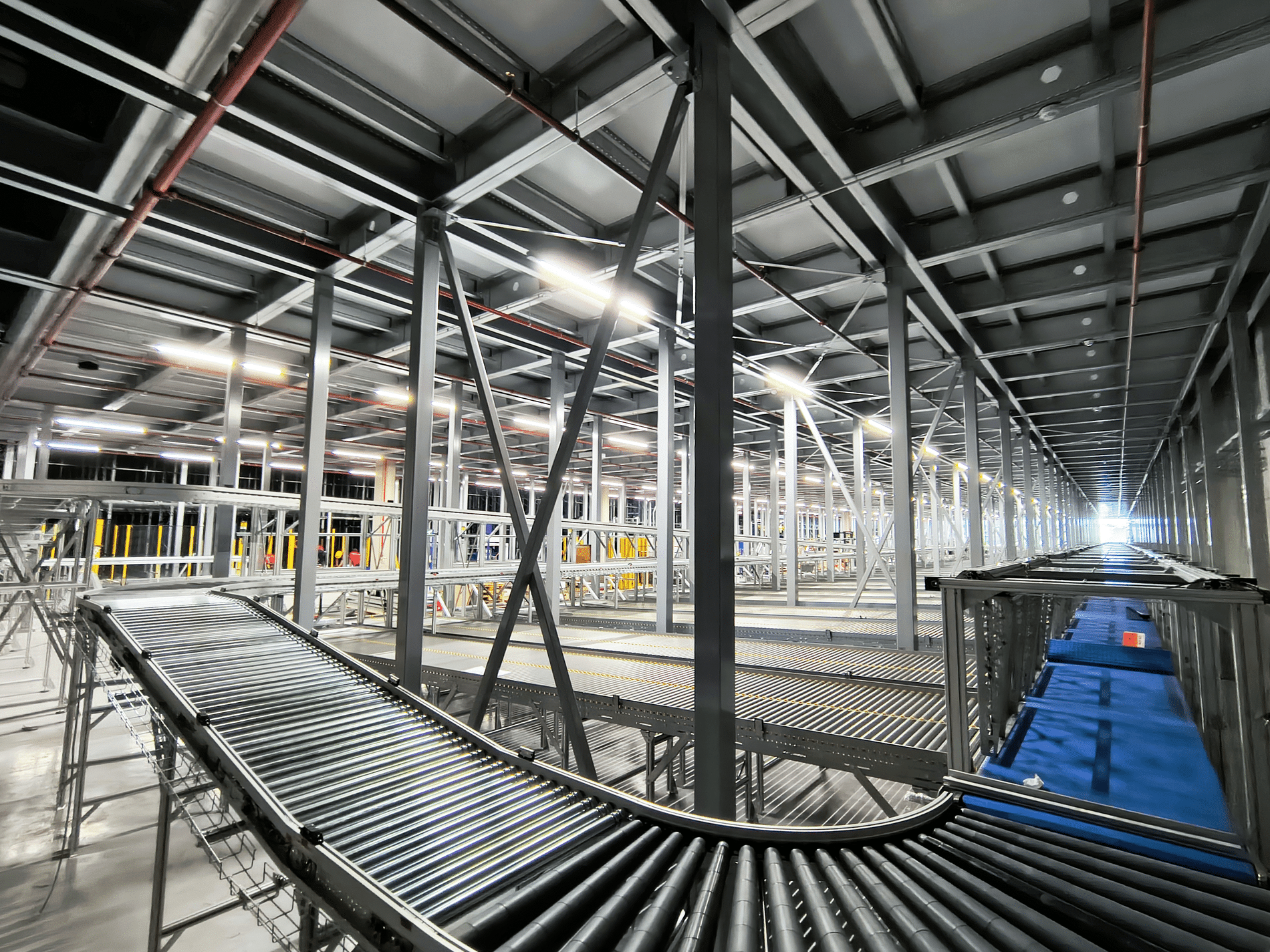
However, Vanas does not advocate full automation in every situation. On the contrary, the company strongly believes in hybrid solutions that intelligently combine traditional storage, semi-automation, and full automation. A good example of this is building materials supplier Dozon. Ten years ago, Vanas implemented an automated pick-and-pass system there. At the time, this consisted of a two-tier shelving warehouse with roller conveyors that sorted orders by zone. This achieved impressive speeds of 110 order lines per man-hour. When the warehouse outgrew its space and storage capacity became too limited, the company opted not for a major new construction project but for a smart expansion within the existing building. By combining nine platform lifts with the existing conveyor systems, storage capacity was doubled and productivity rose to 200 order lines per man-hour.
“Projects like this show that automation doesn’t always have to cost millions. Sometimes, with a smart combination of technologies, you can achieve the same result on a much smaller budget.”
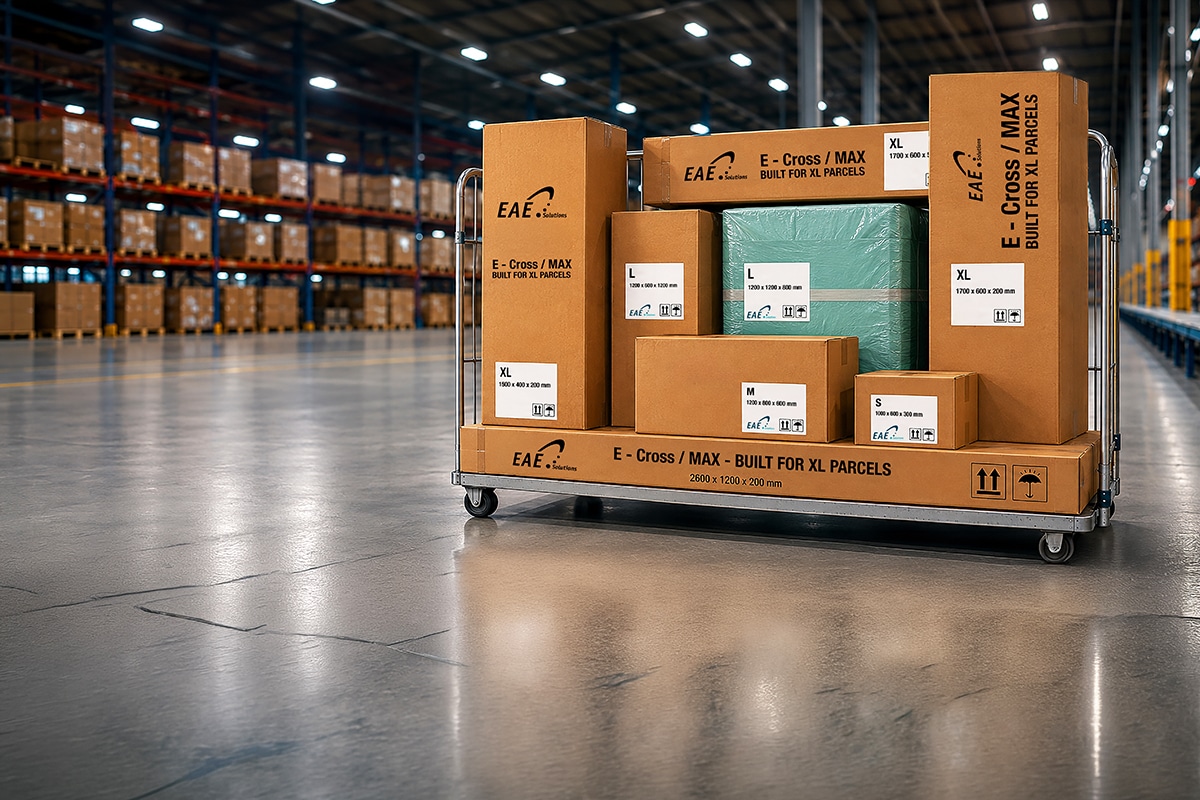
There are also major changes taking place in the packaging sector. New European regulations impose stricter requirements on empty space in packages. Companies that are already taking this into account now will be able to save a lot of money in the future. At Medpets, Vanas developed a packaging line that automatically customizes boxes to size. As a result, virtually no filler material is needed, and shipping volumes are significantly reduced. “Customers save not only on packaging materials but also on shipping costs. Moreover, they are immediately prepared for the PPWR regulations that will take effect throughout Europe in the coming years.”
The most important advice? “Don’t wait until processes grind to a halt. Start thinking about optimization early on,” Van Mieghem concludes. “Seek advice from a partner who can propose various solutions and thus offer objective input. Ultimately, the best automation isn’t the most impressive technology, but the solution that best aligns with your growth ambitions.”
Neem dan rechtstreeks contact op met Vanas Engineering BV.
 Contact opnemen
Vanas Engineering is a leading system integrator specialized in warehouse automation for small and medium-sized warehouses in the Benelux. Since 1946, we have combined technical expertise, process knowledge and innovative technology to future-proof intralogistics environments. Our strength lies in designing, integrating and optimizing total solutions where systems, software and service come together seamlessly. As a knowledge partner, we think [...]
Bekijk Bedrijfsprofiel