warehouselogistiek.eu
EN

The platform for internal & external logistics, supply chain and automation
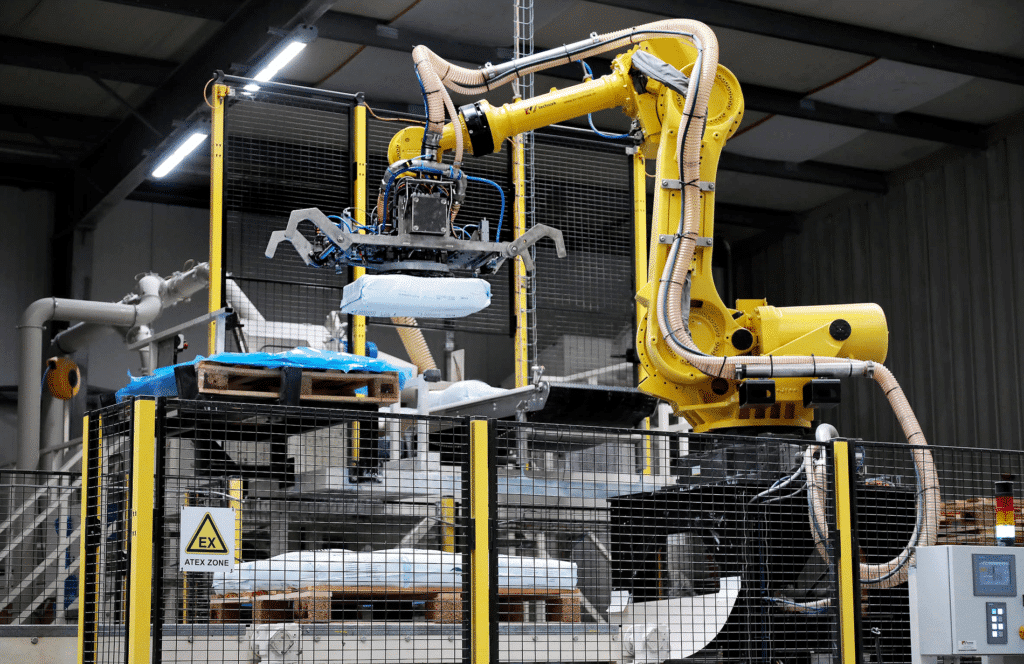
The logistics sector emphatically demands flexible solutions, including automation and the use of robots and AGVs. As far as KV-Techniek is concerned, logistics service providers may opt for more accessible tools a bit more often. Bastiaan Krijger, owner: “Wanting everything at once inhibits both investment and innovation, while there are plenty of options.”
Responding faster to market developments and customer demands is an important reason for wanting to automate both logistics and production processes. This also applies to labor shortages. KV-Techniek sees logistics entrepreneurs wanting too much too soon on their way to a highly automated company. Krijger: “That approach quickly makes a solution complex. That leads to higher investments, while automation in smaller steps is certainly feasible and can also make a big difference.”
Krijger: “Logistics companies think that a temporary contract with a shipper or large retail company results in a limited return on investment. It is precisely a flexible robot solution that allows them to continue using the installation, even with changes in the type of goods to be handled. In this regard, entrepreneurs do not really have a choice. Because of the labor shortage, they do have to look at automation. Very large investments may not be feasible, but you can start as a company by automating simple steps and thus making operations more flexible.” He also gives examples. “With a gripper changeover system, you use different gripper sizes, so you can easily pick up small to large products. In case of changes, it is easy to add a new type of gripper without the need for a completely new solution.”
The focus of logistics service providers is now too much on fully automating handling processes, according to the owner of KV-Techniek. “That makes projects too expensive, after which development remains stagnant. It's not all or nothing, because those who don't automate anything also don't save manpower and don't move forward. The key to success is that, as an entrepreneur, you have to start low-key and accept that you still need manual work at first. Yet with the automation you do use, you may already be saving half of your manpower. That's already a very nice improvement!”
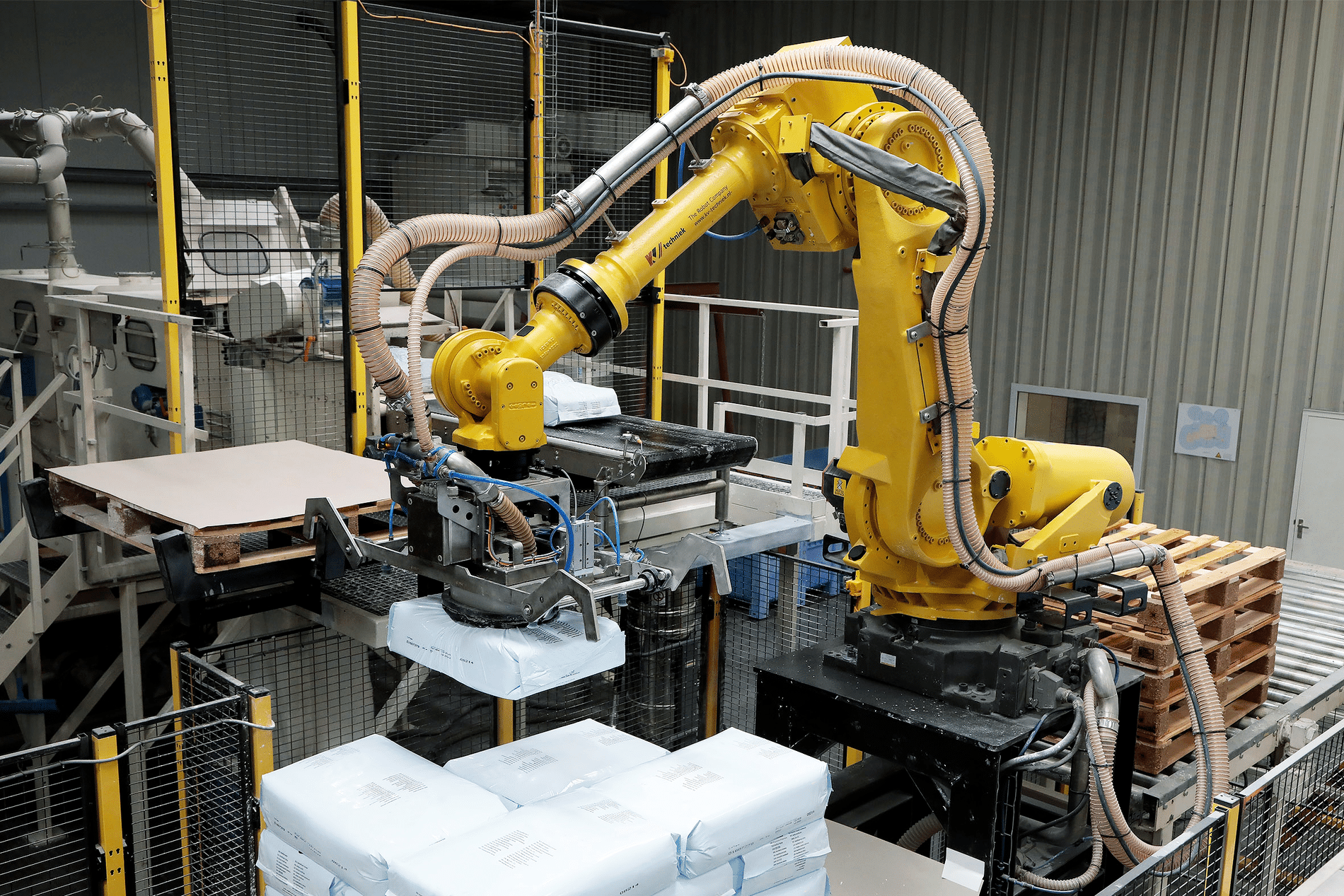
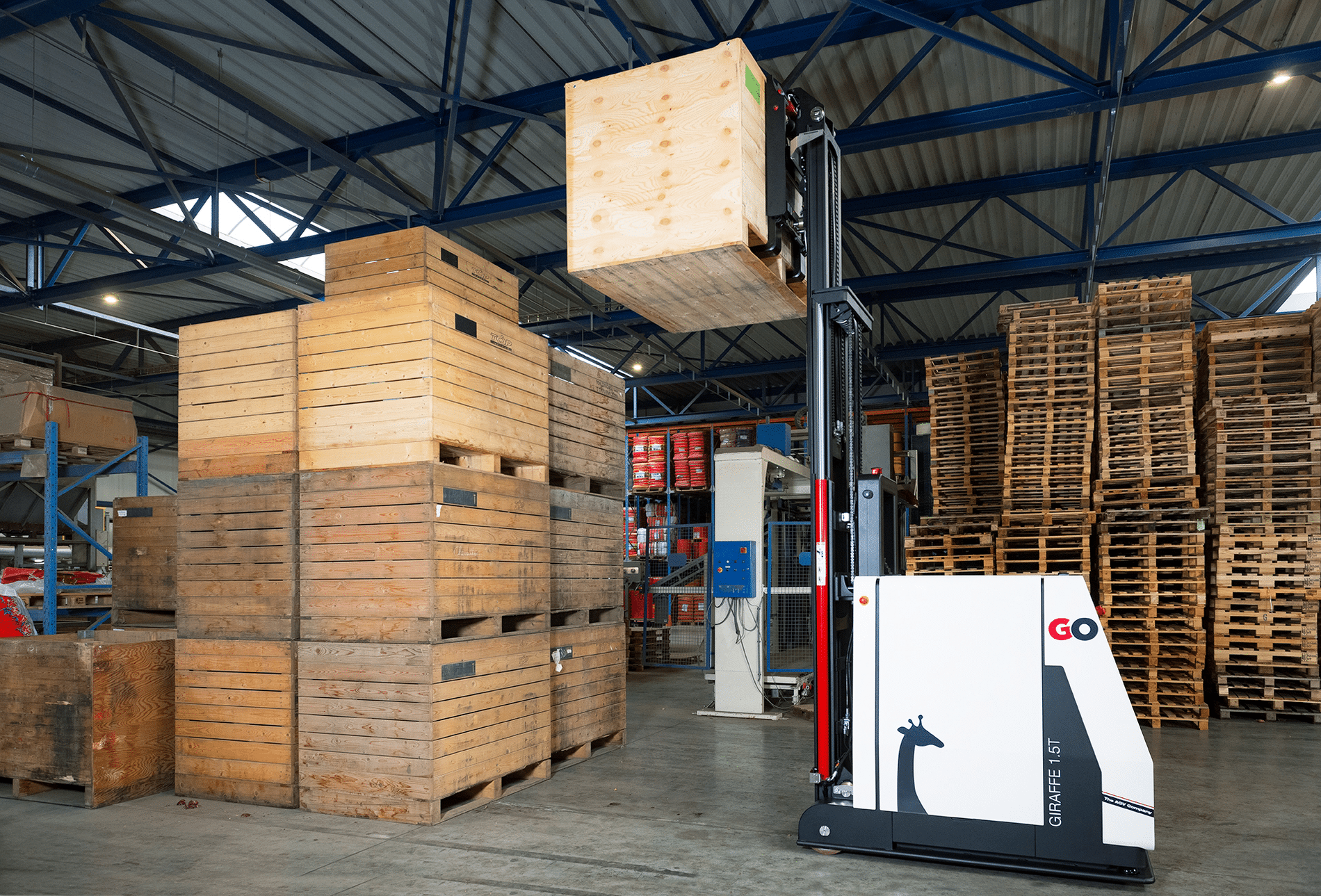
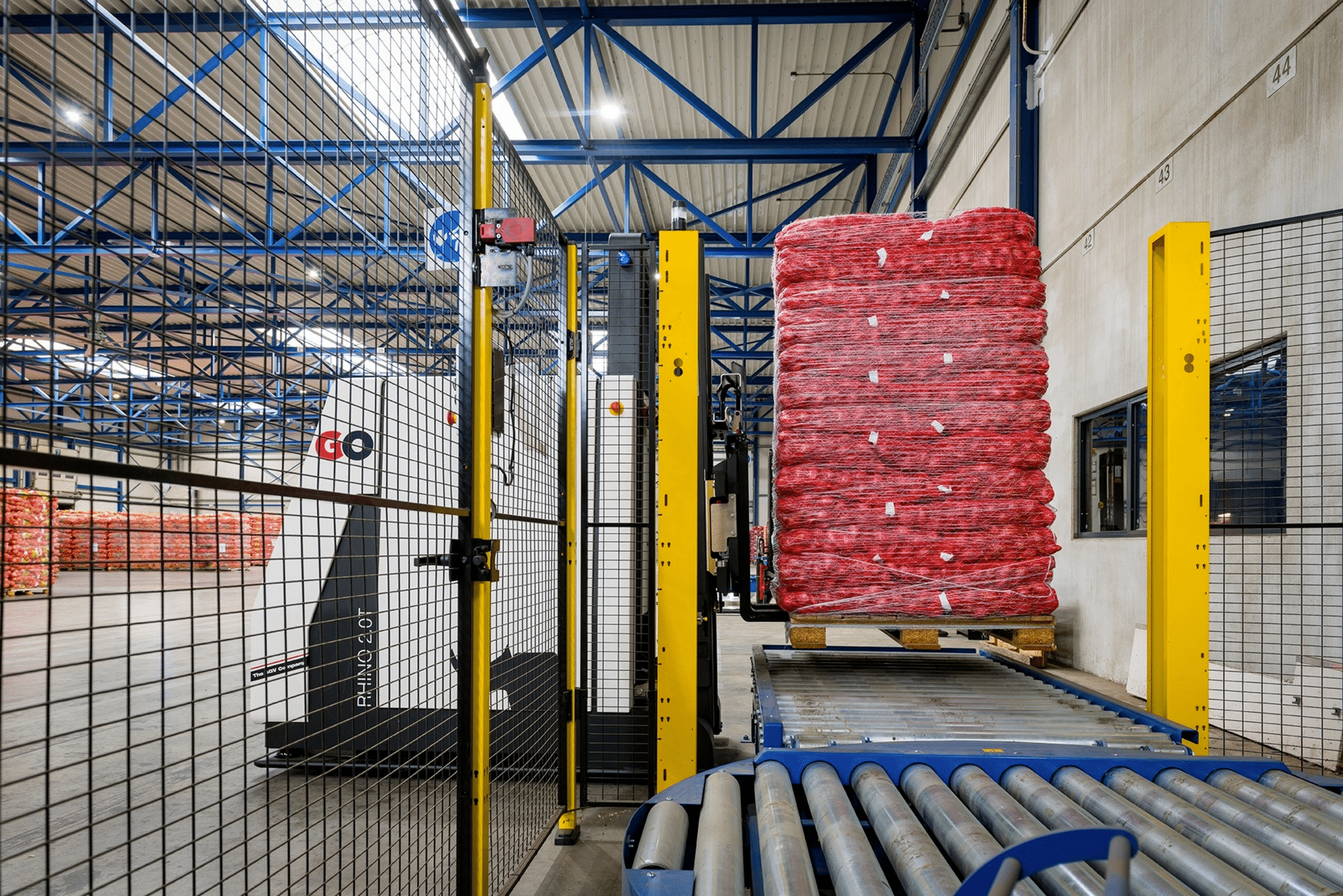
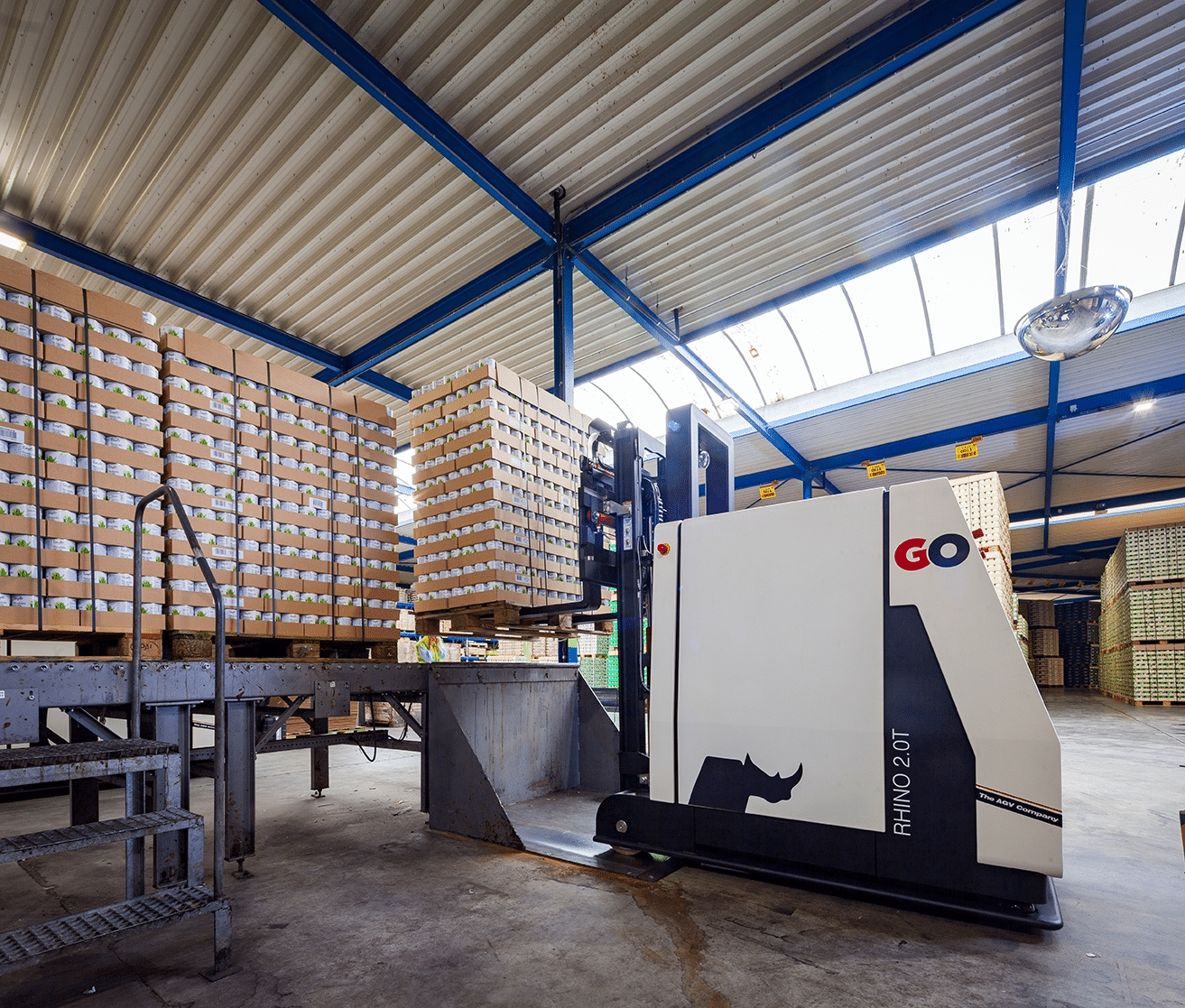
If it is necessary to drive longer distances within a warehouse, moving pallets in the process, Krijger sees opportunities for the ‘GO’ AGVs developed by KV-Techniek. “These AGVs can move a pallet from one location to another, after which a high-rise truck puts the pallet in place. These are simple repetitive operations that can be easily automated with an attractive investment. This solution saves the use of a forklift. Thanks to this intermediate step, confidence grows and a company itself gains more insight to further automate. What I want to emphasize above all is that smaller-scale projects can be a nice stepping stone to a future-proof company.”
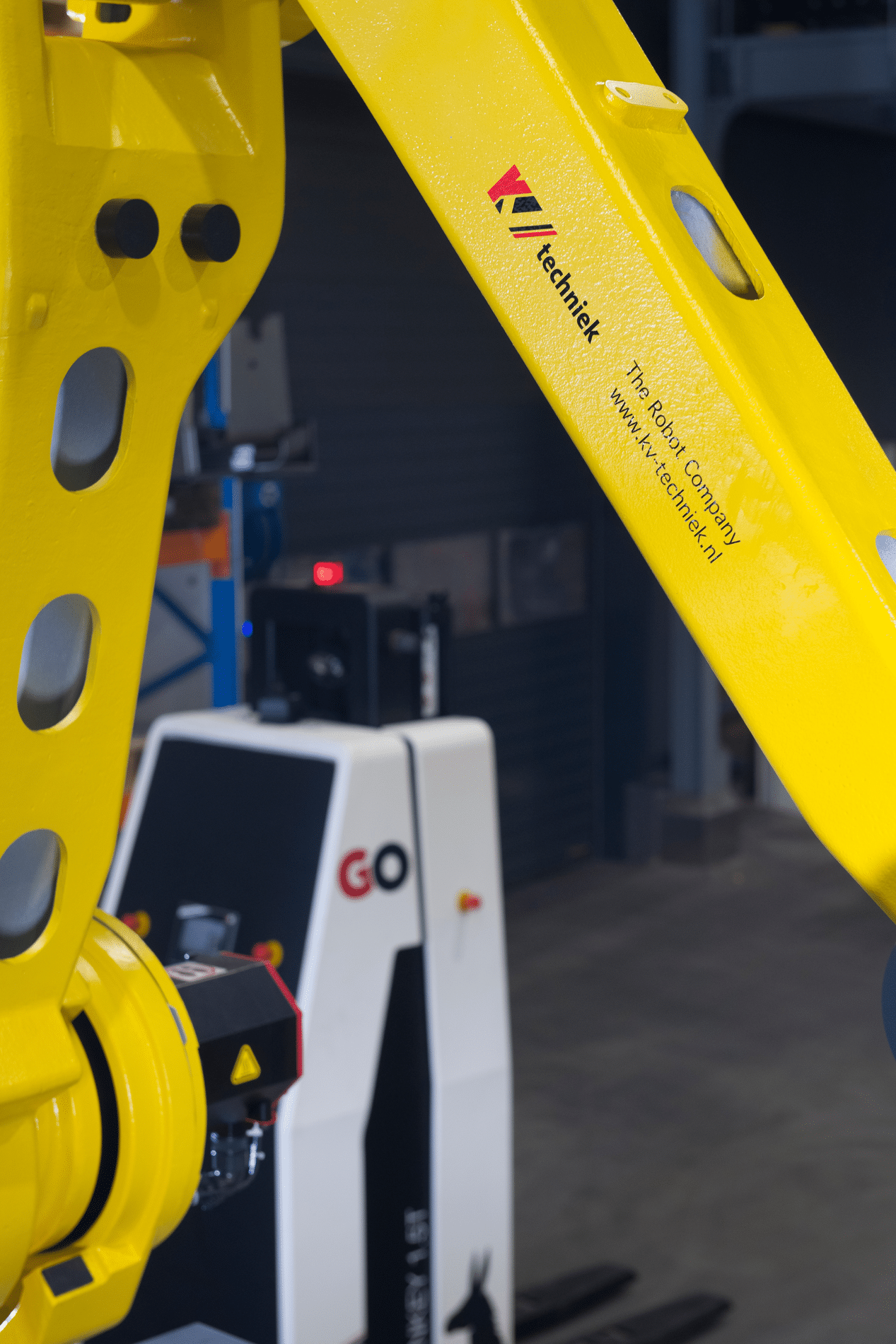
If logistics service providers choose to take smaller automation steps, that brings another advantage. Krijger: “An AGV or AMR that moves a pallet in a distribution center provides peace of mind. The vehicles don't drive in a hurry, they are predictable and you don't have to be on your guard as a warehouse worker. That's different with a forklift.”