warehouselogistiek.eu
EN

The platform for internal & external logistics, supply chain and automation
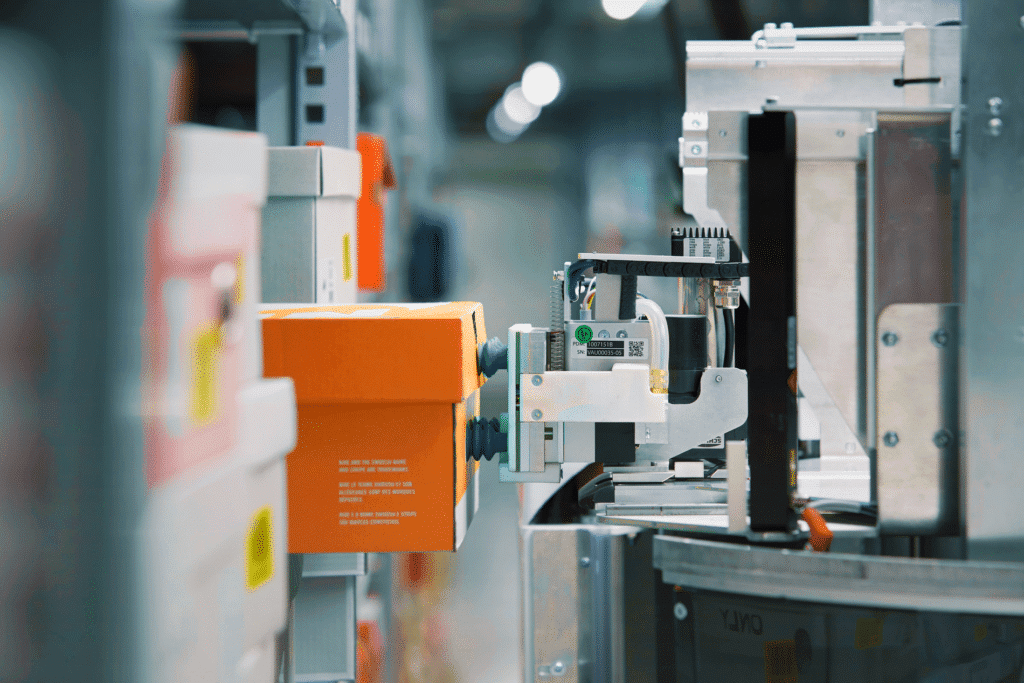
Warehousing and logistics companies are leaders in integrating a combination of robotics and AI. So writes International Federation of Robotics (IFR) in a recent report, AI in Robotics. Trends, Challenges, Commercial applications. Companies active in manufacturing and industrial automation and the service sector are also integrating the technology more than average.
Companies working in warehousing and logistics are paying very close attention to the combination of robotics and AI, says IFR, the organization that brings together robotics suppliers from more than 20 countries. The fact that companies in the logistics sector are paying a lot of attention to the combo of robotics and AI is remarkably not due to a lack of labor capacity. It is mostly about the availability of investment money and a work environment that is quite controlled.
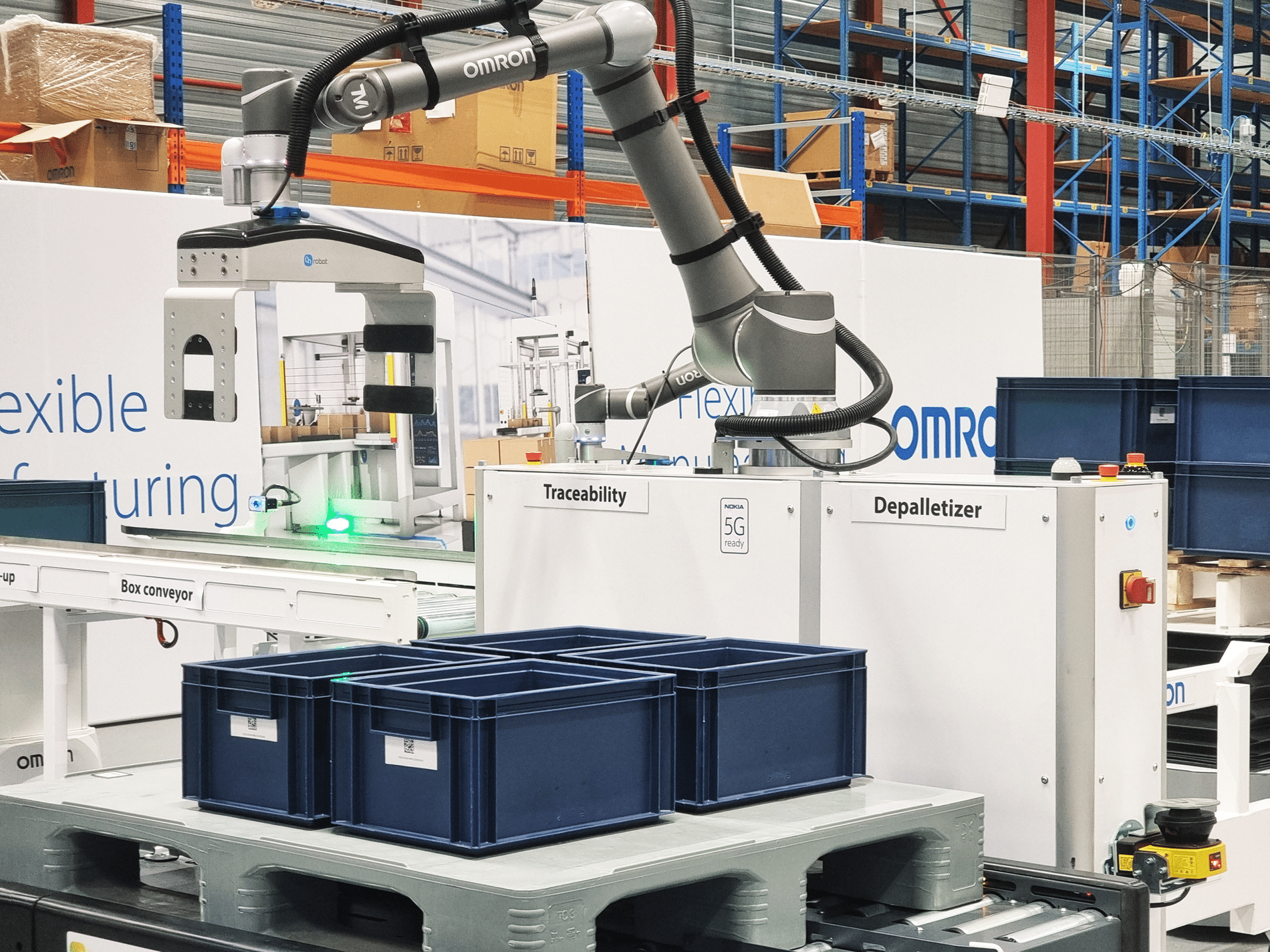
The report shows that the potential of combining robotics and AI is growing rapidly. For example, Zalando plans to deploy up to 50 AI-powered robots in European fulfillment centers. The number of applications for drones in warehousing is also increasing rapidly, Avular Logistics Solutions indicates. Incidentally, the deployment of AI takes various forms, certainly not always GenAI applications. IFR highlights four tangible applications: machine vision systems (1), autonomous mobility (2), predictive maintenance (3) and simulations, digital twins and virtual tools.
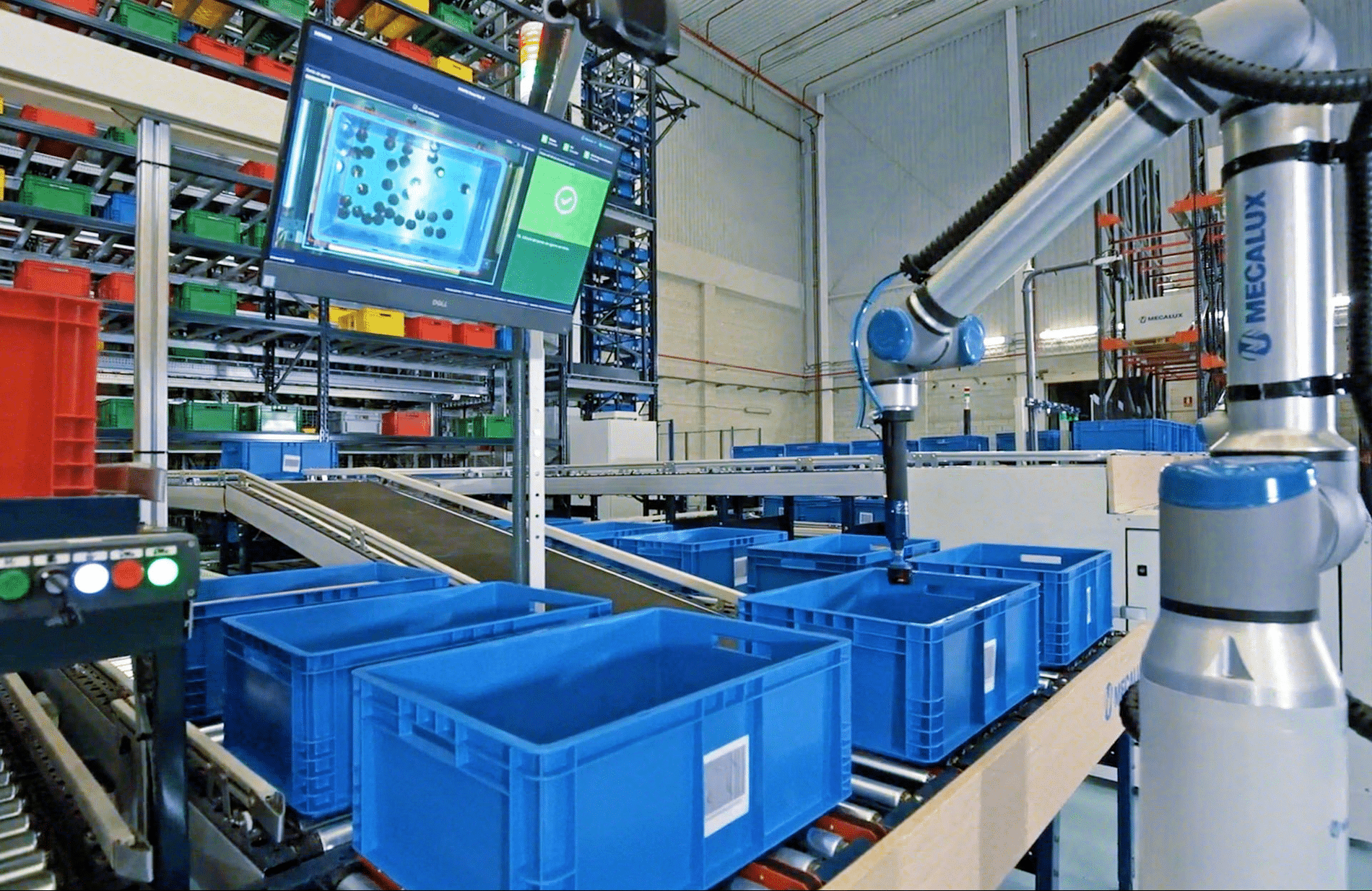
Machine vision systems are evolving into the cornerstone of smart robotics systems, IFR says. The systems enable machines to understand and react to their environment with increasing precision. This applies to warehouses and production halls. Vision systems are contributing to a major change in industrial work processes and are also leading to faster adoption of automation. Applications can contribute a lot to quality control and object detection and assessment, according to IFR. They also help automate activities such as picking and sorting totes. Vision systems additionally assist in guiding robot movements and behavior.
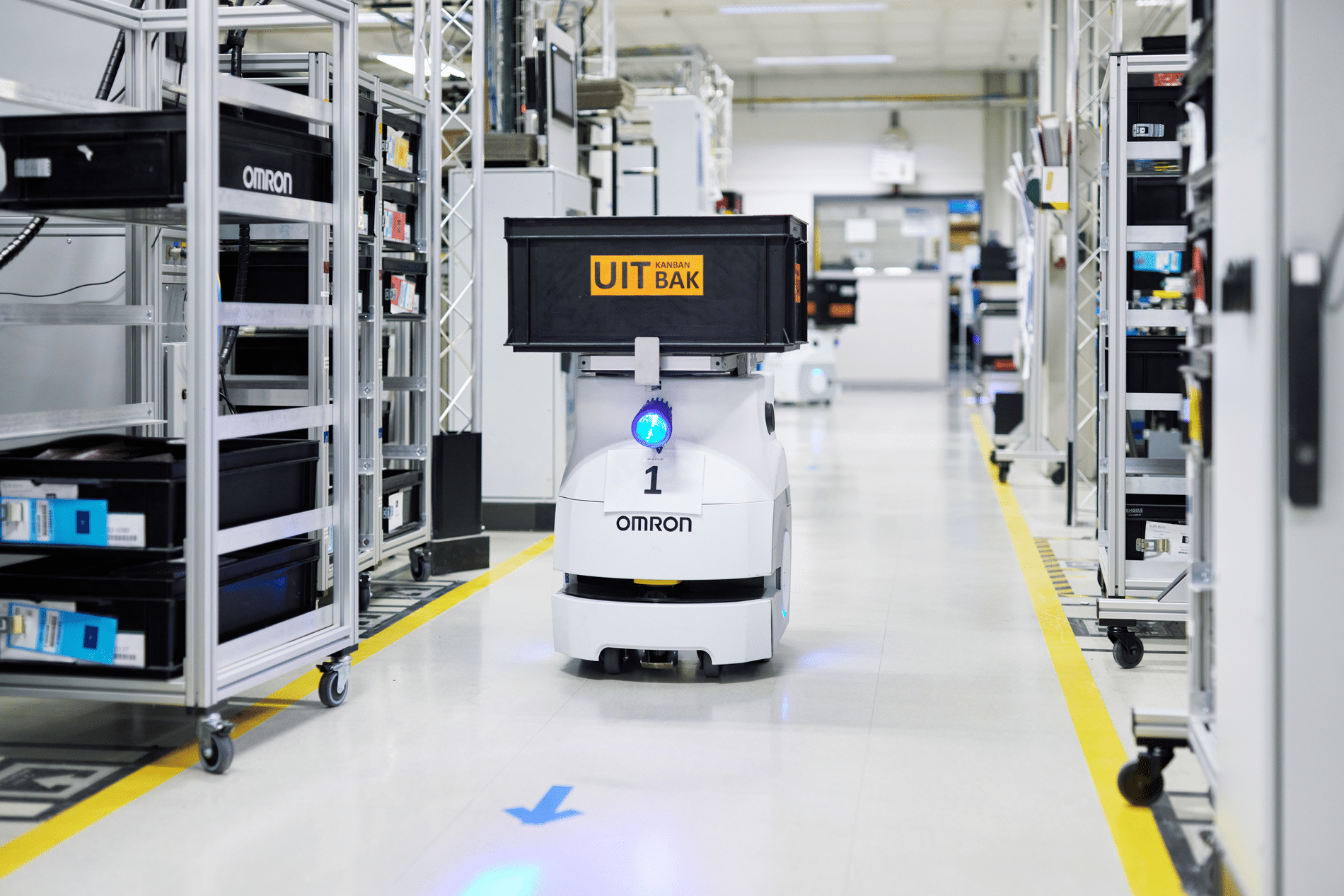
When it comes to industrial automation, IFR says it is essential for vehicles to be able to navigate autonomously. Simultaneous Localization and Mapping systems (SLAM) play a key role here. In addition, more and more systems are using AI for path or route planning, obstacle avoidance and real-time location determination. The addition of smart technology enables both flexible routing and increased operational efficiency.
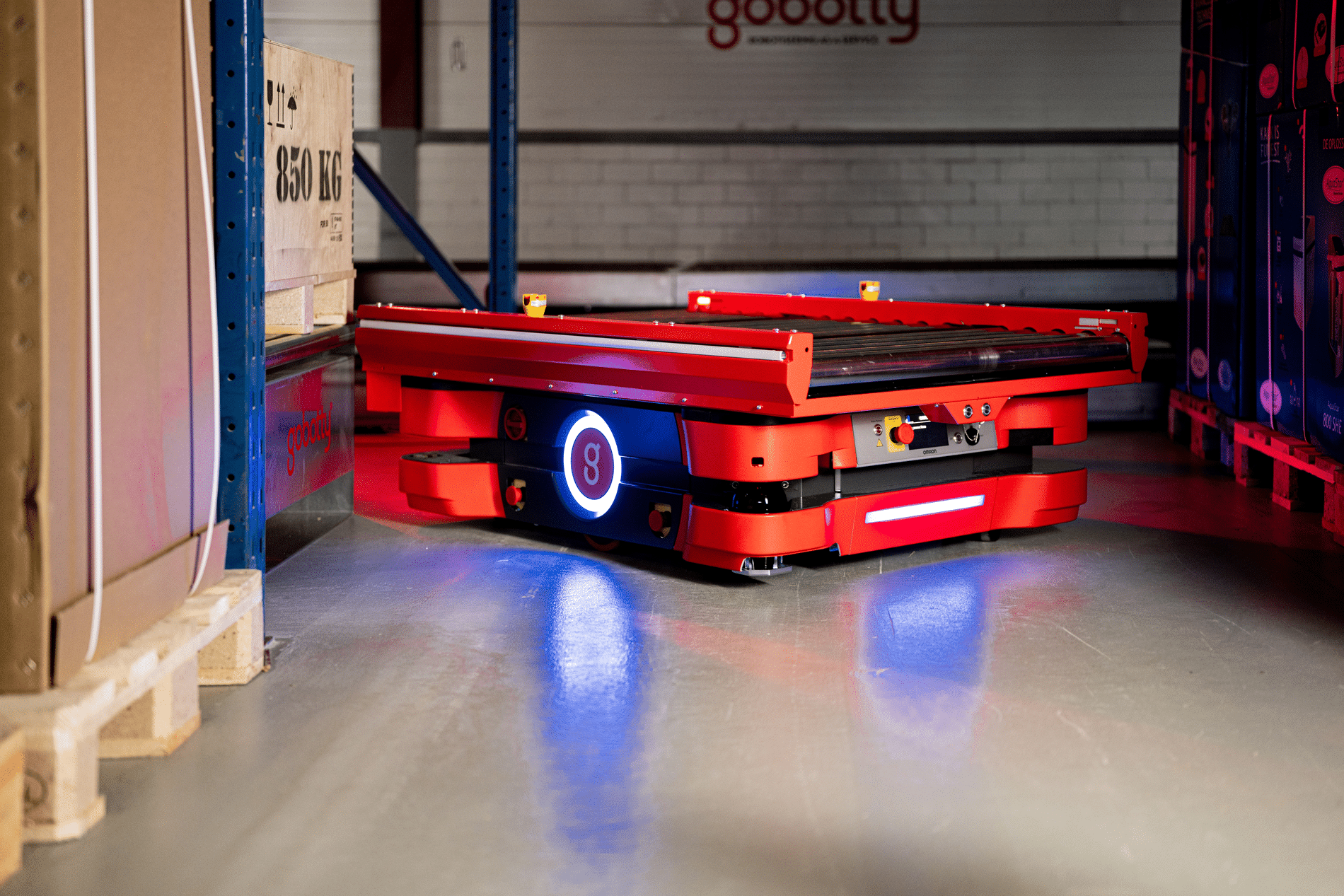
Smart algorithms can also reduce equipment downtime. Real-time diagnostics combined with greater computing power can be used to better and smarter predict maintenance and faults. Simulation and digital twins allow companies to virtually test the performance of new processes before they are implemented.
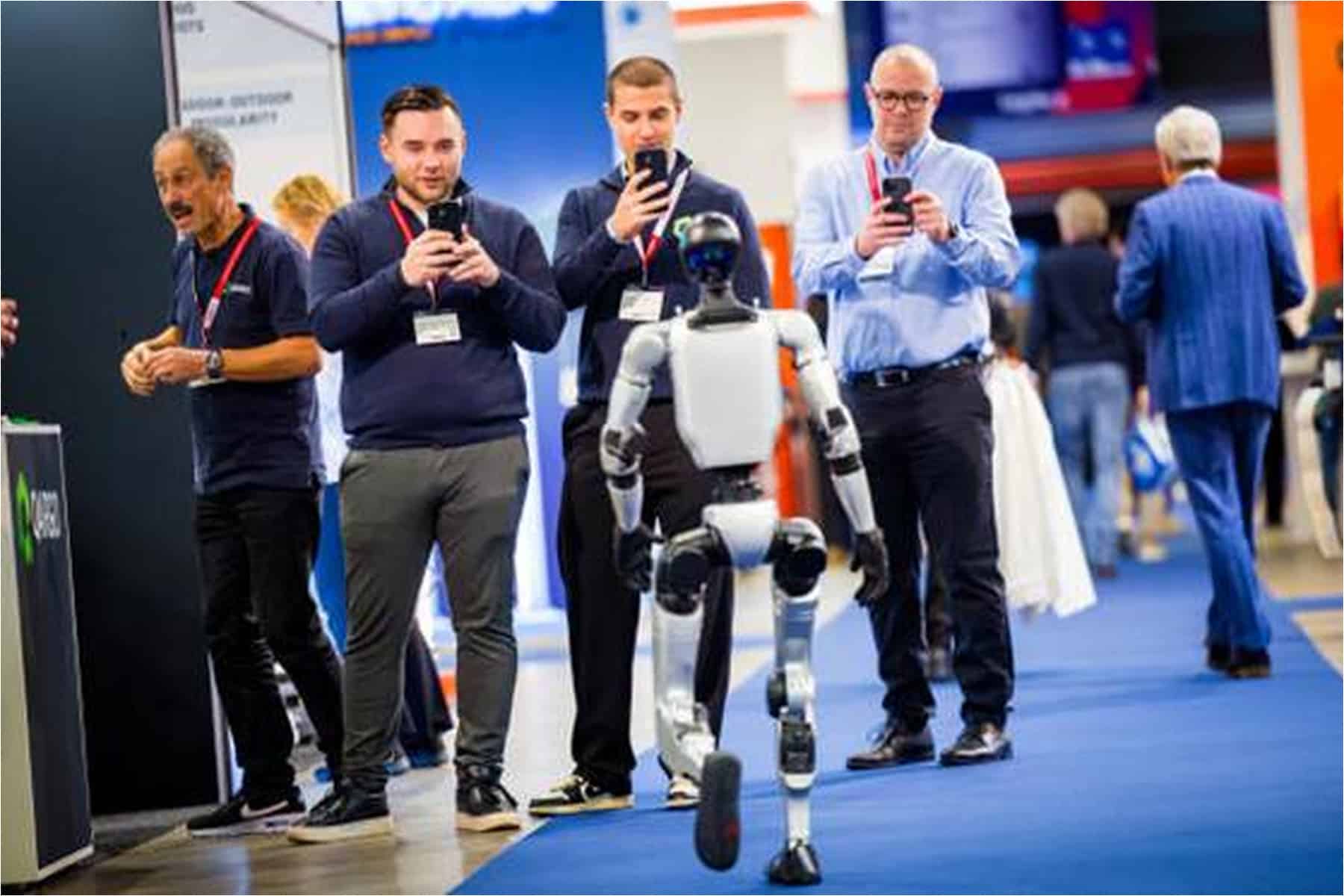
AI will lead to many more opportunities in the future, according to IFR. Logistics and manufacturing environments will be able to use robots more and more for tasks such as picking, processing and assembling goods. The continuous feedback that robots receive, about something going right and wrong, can be used immediately for new tasks. AI will also help improve human-robot interaction, according to IFR. There are already examples of this, such as cobots, but this interaction will improve. The vendor group expects major strides in these areas starting in 2030.
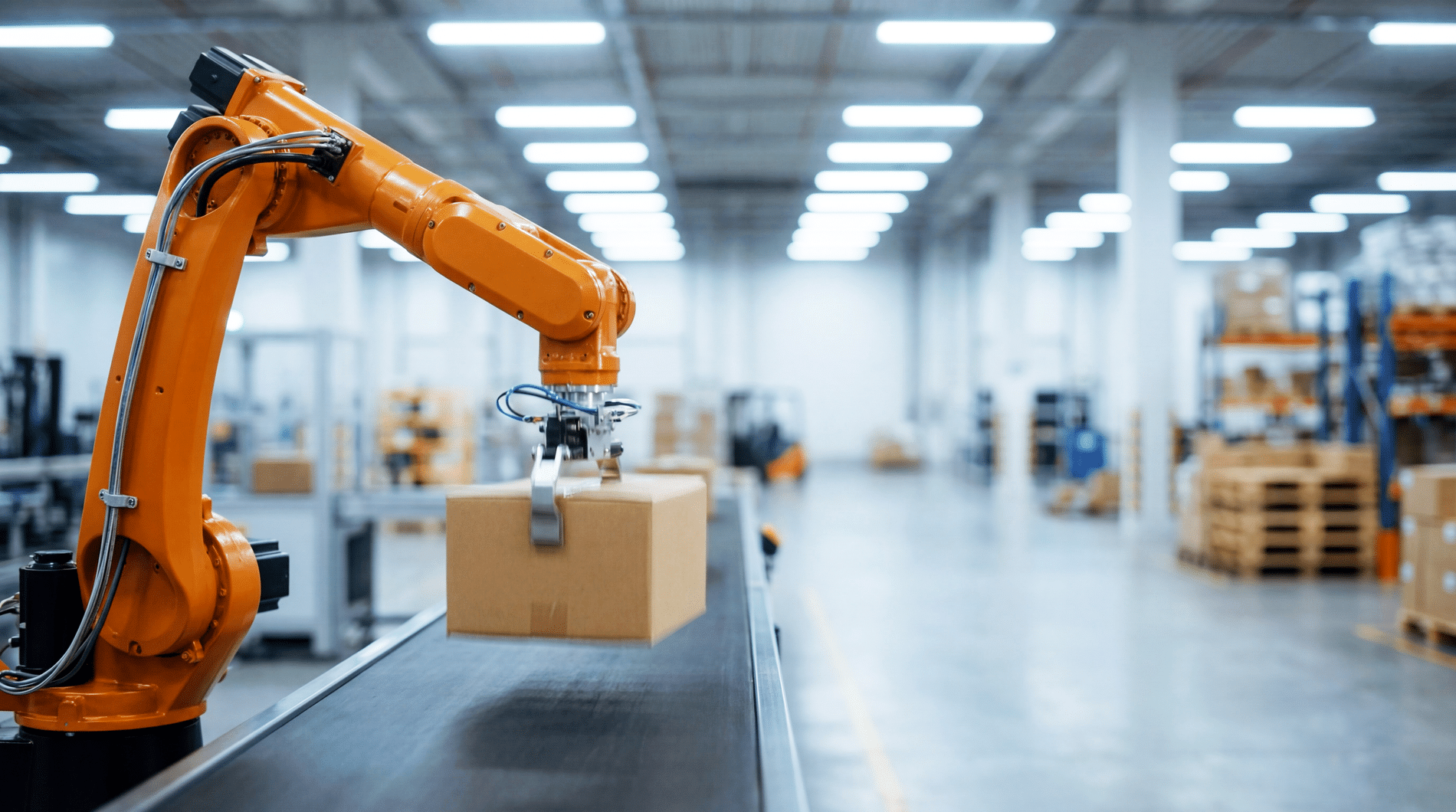
The ultimate look ahead is also there. From 2035, according to the organization, a range of robotics solutions equipped with AI will arrive that already bears the working name RobotGPT. These robots would be able to perform, for example, within warehouse or manufacturing environments, many more different tasks than today. In an ideal world, robots are equipped with some sort of standard robot intelligence that allows more equipment to work together. That results in individual elements that together form a scalable flexible automation layer for applications that lead to greater productivity.