warehouselogistiek.eu
EN

The platform for internal & external logistics, supply chain and automation
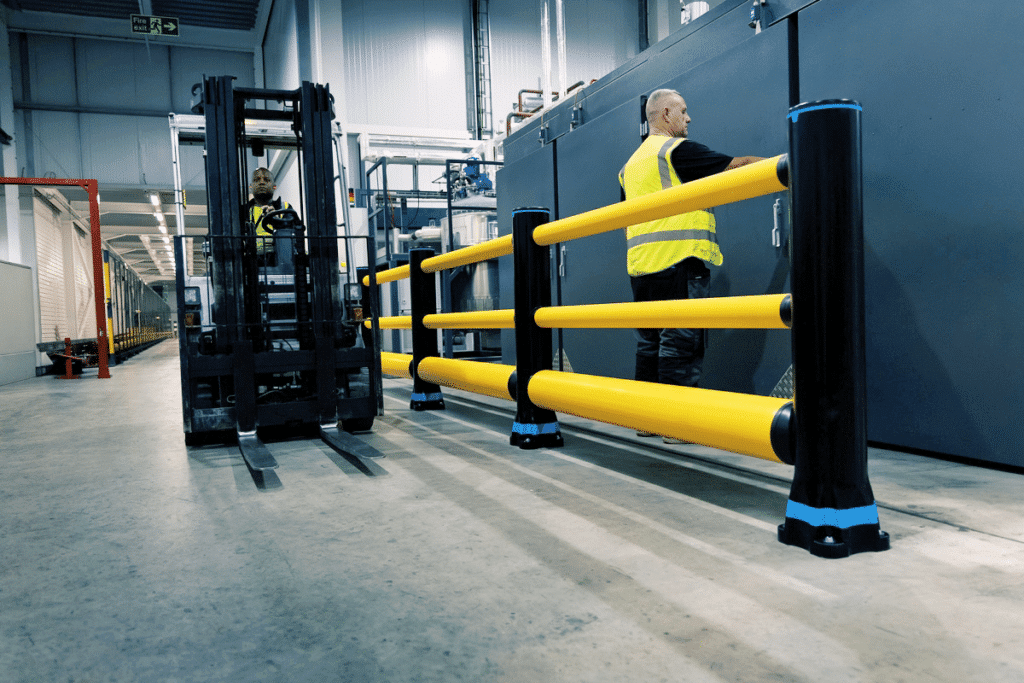
New range for workplace safety
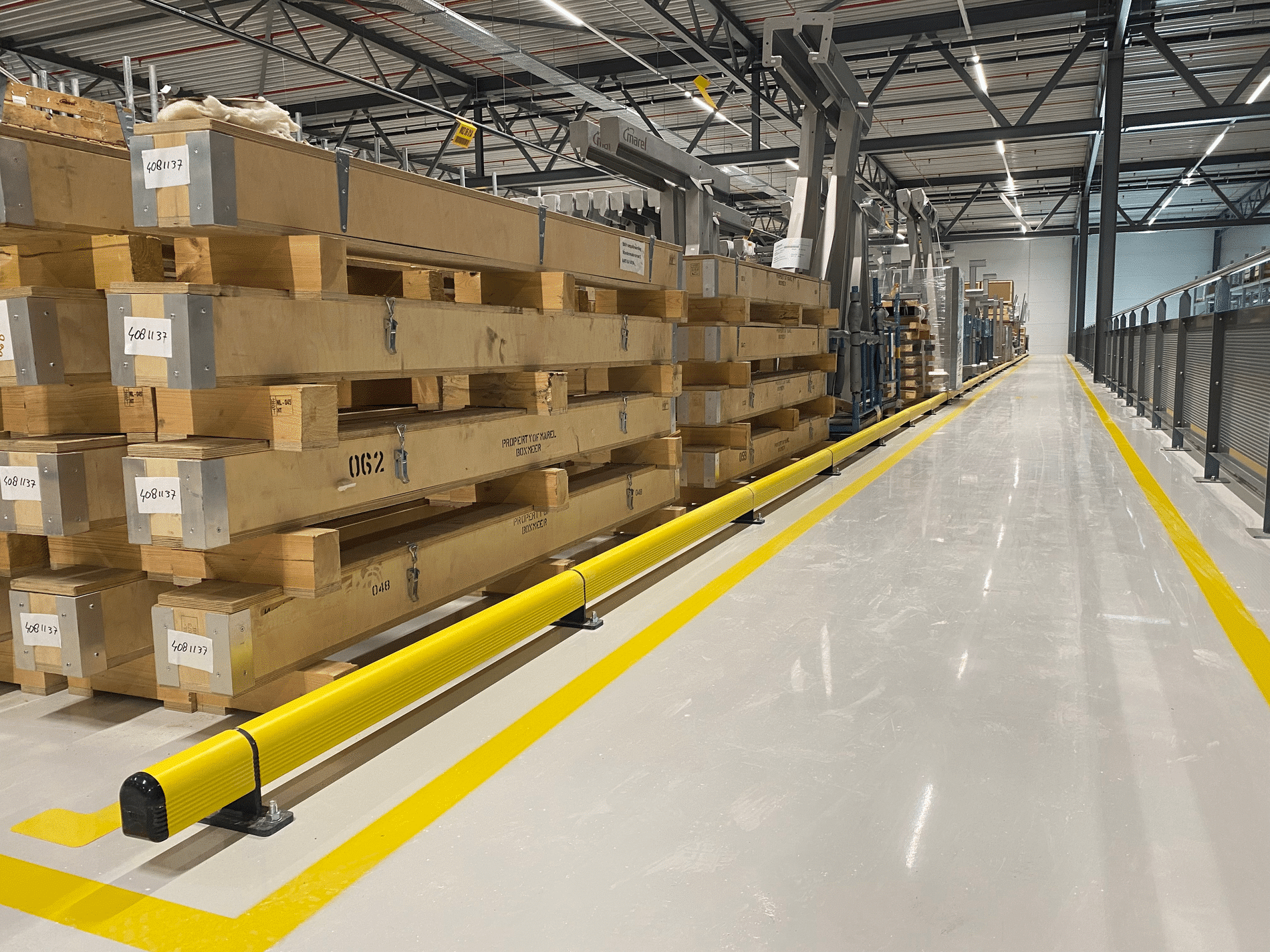
In recent years, we have seen a clear trend in the workplace of logistics service providers. More and more companies are investing in physical screening of walkways and workstations. On the one hand to increase safety, and on the other hand because the labor inspectorate is explicitly acting on this. The proportion of plastic crash protection is growing in comparison to the conventional steel variant. A-SAFE is the inventor, inventor and market leader of plastic crash protection. They recently launched a new product range. With it, they combine increased safety with faster assembly and the possibility of integrating smart impact detection with sensor technology.
Bas Kruysdijk, Managing Director at A-SAFE: “We are known for our innovations and continue to develop in order to stay ahead of the market. Unique is our own laboratory for material development, as well as the fact that all our crash protection is independently tested and certified by TÜV Nord, in accordance with the guidelines of the PAS 13.” A-SAFE now wants to make this distinction recognizable to users. “We are frequently copied, including the color scheme. By adding a blue accent to our products, they now have a visual feature that lets users know they are dealing with tested, high-quality collision protection.”
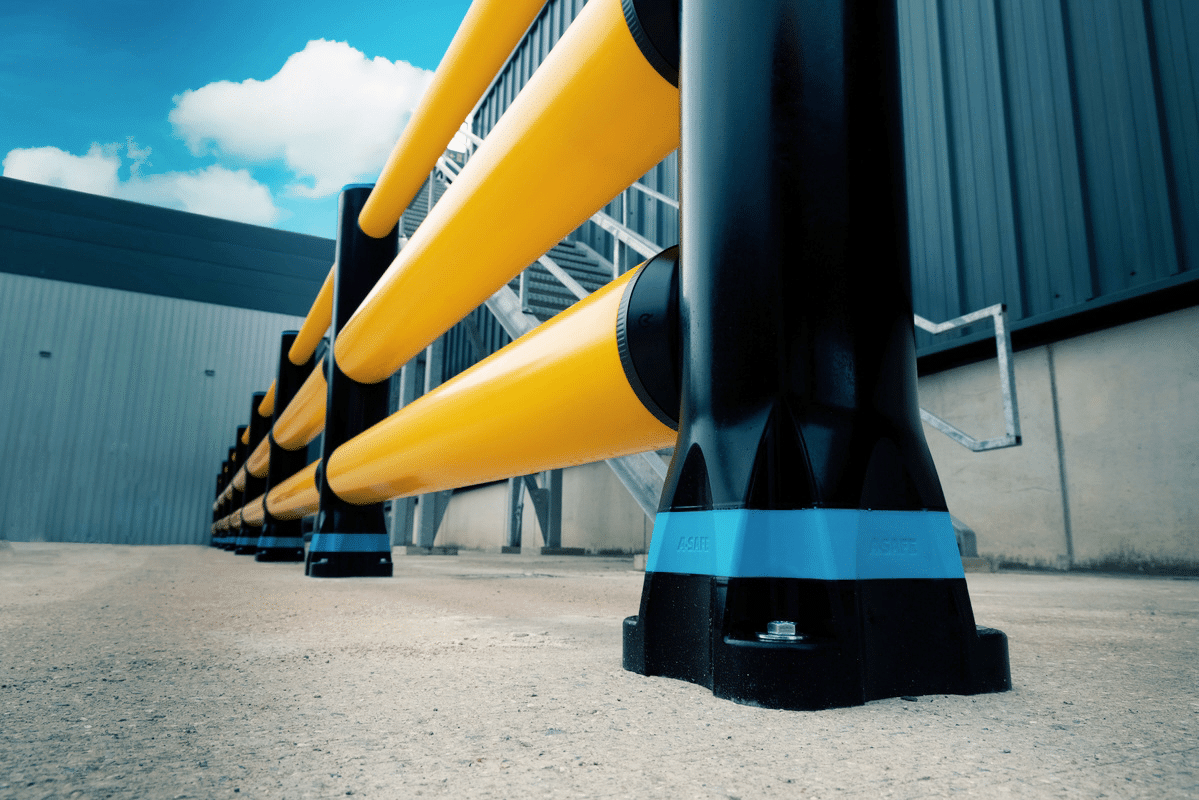
Basically, plastic crash protection systems consist of a steel base plate on which a plastic system is mounted. The engineers at A-SAFE's R&D department have succeeded in using a new material to develop a bollard with a molded-on mounting plate. This eliminates the classic weak link: the transition between the bollard and the base of the guardrail or pedestrian fence. The plastic design gives this vulnerable spot more flexibility, so that the impact energy is even better distributed during a collision. This allows the system to absorb additional energy and withstand a heavier impact.
However, it offers even more advantages. Plastic does not rust, and the rubber footplate fits snugly to the floor, preventing contamination under the footplate and eliminating the need for sealing. This is an important plus point, especially in wet and hygienically critical environments such as the food industry.
“The risk of floor damage also decreases even further. Many businesses in the food industry have fragile tile floors. If a collision occurs between a forklift and a fence or rail, a steel foot would also damage the tile floor with all the consequences. With the plastic base, this does not happen.”
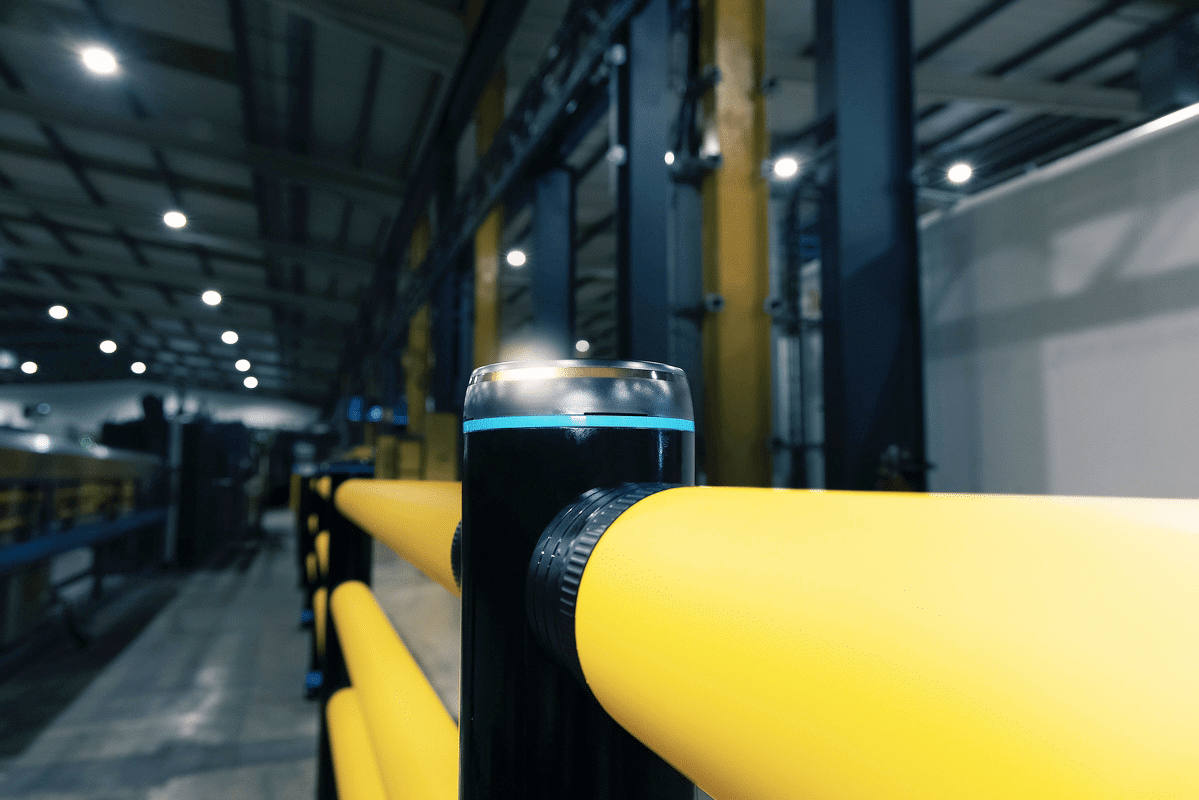
A-SAFE has completely redesigned the connection between the posts and beams. The coupling that springs with the impact increases energy absorption, allowing the new collision protection to withstand a much heavier impact. “In addition, the number of components in the new designs has been significantly reduced. This speeds up assembly and reduces operational disruption during installation, replacement or refurbishment.”
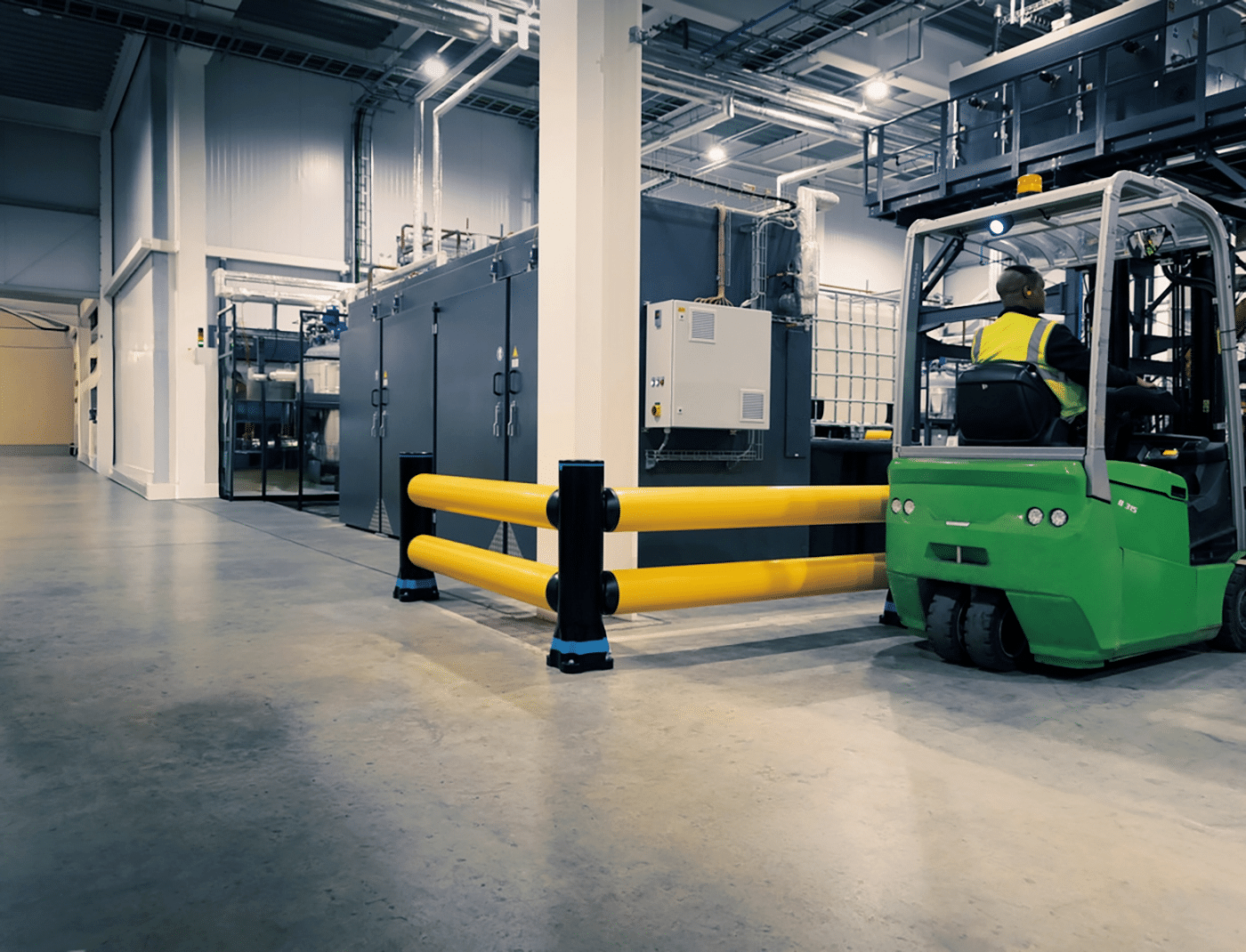
A-SAFE has also prepared its new range for the application of sensor technology. Users can place a sensor cap on the guard post. “With this, companies can monitor collisions to reveal hotspots in a busy work environment. The data provide important insights: is it too tight, too busy or do we need to change driving routes? These findings help logistics providers make their processes more efficient and safer, while at the same time scheduling maintenance and inspections in a more targeted way.”
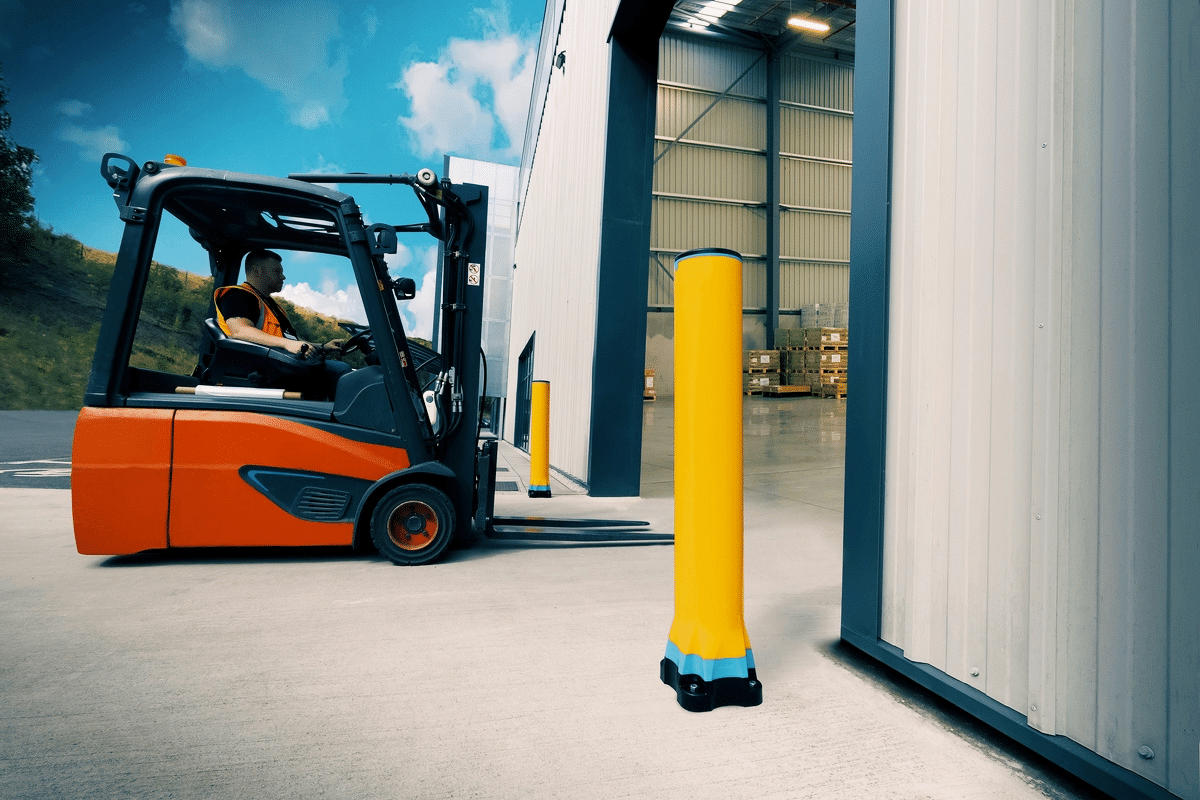
A-SAFE applies its proprietary new Monoplex™ plastic, developed by polymer scientists. This material is extremely strong and has a built-in memory that allows the crash protection to spring along and recover, even after multiple collisions. “The quality and the fact that the crash protection does not need to be replaced after a collision, as conventional steel protection and other plastic systems do, is the deciding factor for many customers to use our crash protection,” Kruysdijk concludes.
■
Neem dan rechtstreeks contact op met A-SAFE.
 Contact opnemen