warehouselogistiek.eu
EN

The platform for internal & external logistics, supply chain and automation
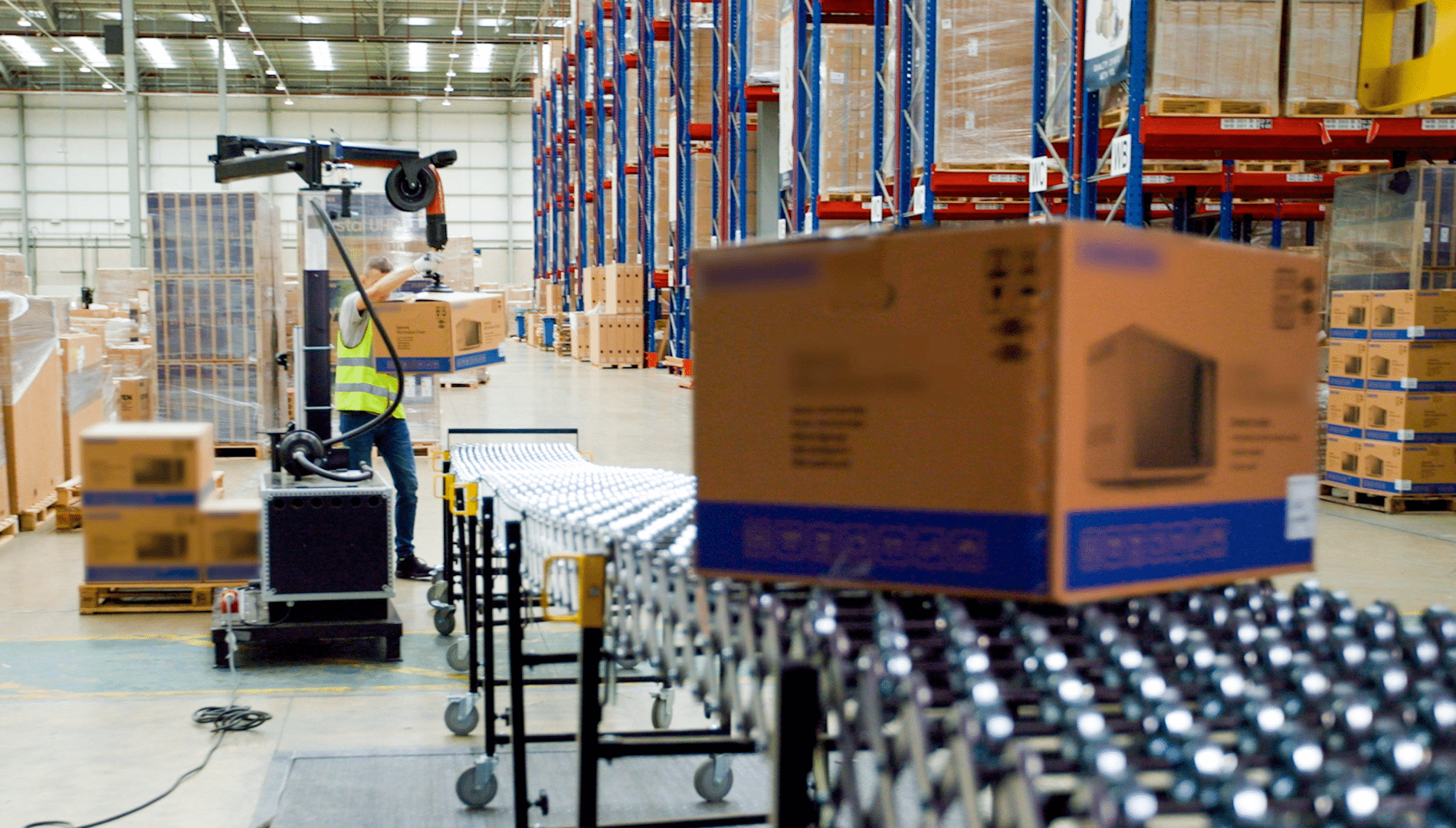
Robots, AGVs, and automated sorting systems are rapidly transforming warehouses. Yet, a great deal of manual labor still exists on the periphery of the process. Non-standard packages, varying batches, full trailers, and limited workspaces do not always fit within a single automated line. According to Christian de Kleuver, branch manager at Erkon Lifting Aids, this presents a significant opportunity. "Where manual labor remains necessary, ergonomic lifting aids can alleviate physical strain and help employees work safely, efficiently, and sustainably. After all, lower back pain costs the Netherlands 4.4 billion euros per year. Moreover, employers and employees are legally obligated to minimize that risk," he states.
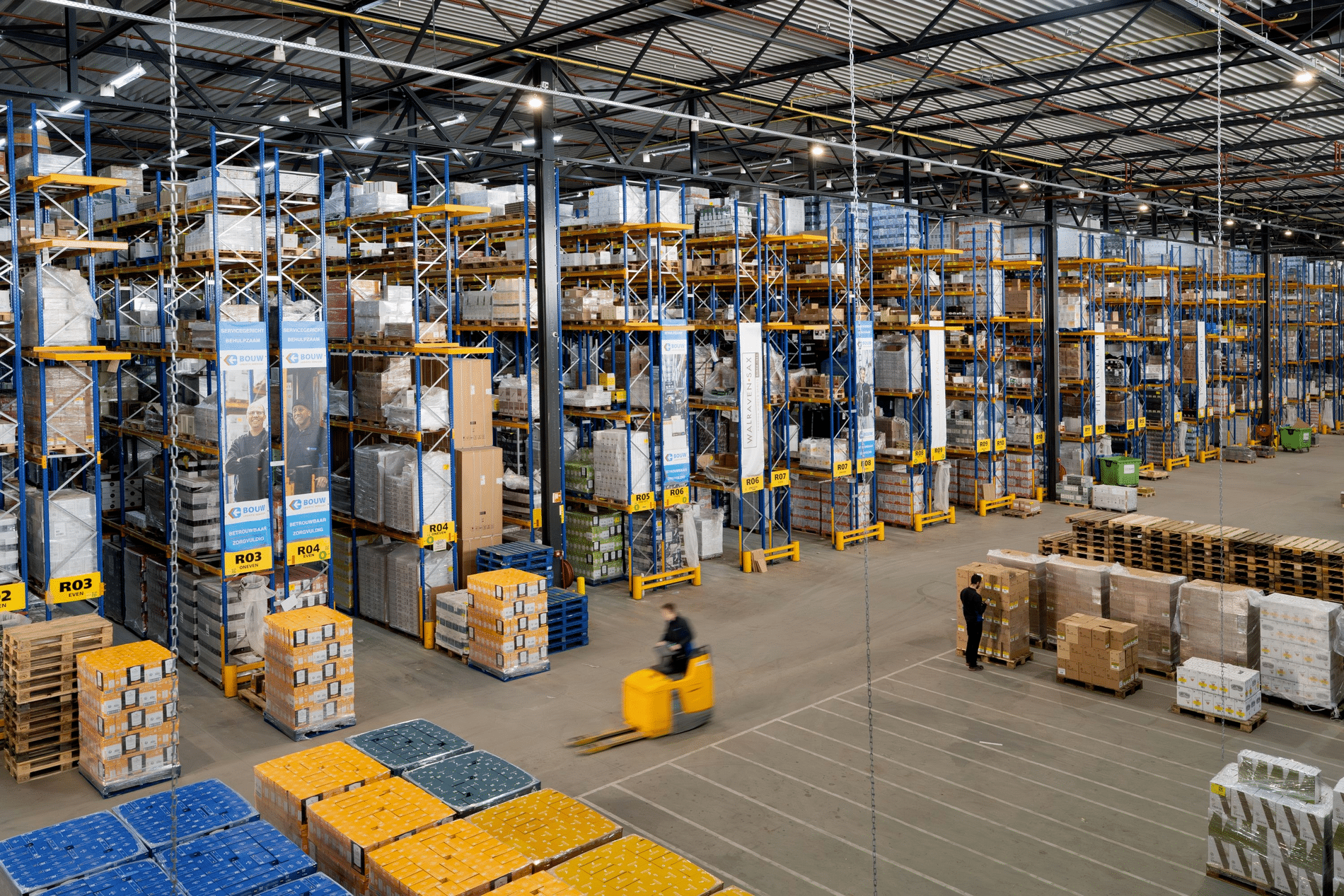
AI gaat de logistiek veranderen. Maar tussen wat technisch mogelijk is en wat vandaag daadwerkelijk waarde toevoegt op de werkvloer, zit nog een flinke ruimte. Dat blijkt uit gesprekken met Bart Lambooij, IT-manager bij Bouw Logistic Services en Arjen Hoekstra, Directeur Bedrijfsvoering bij Bakker Transport & Warehousing. Beide logistiek dienstverleners lopen voorop en zijn al actief bezig met de adoptie van AI in hun bedrijfsprocessen. Hun ervaringen laten zien waar vandaag kansen liggen, maar ook wat nodig is om straks verder te kunnen.
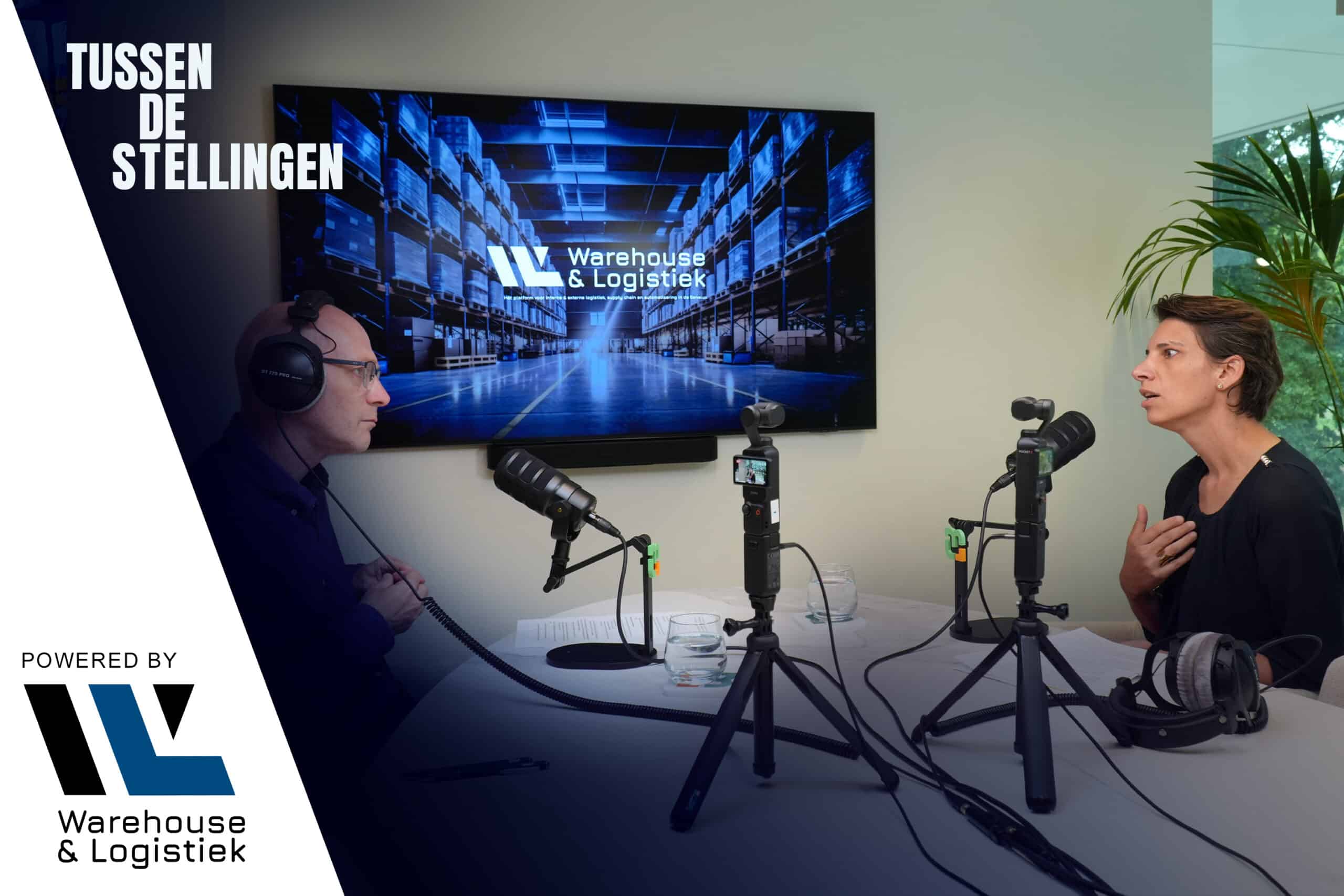
How do you ensure a safe warehouse environment where people, forklifts, AGVs, and robots are collaborating more and more closely? In this episode of *Warehouse and Logistics*, Björn Crul speaks with Sigrid Herbosch of Troax about the changing perspective on warehouse safety. Among other topics, they discuss risk analysis, Active Safety, flexible collision protection, regulations, and the importance of an integrated safety concept that […]
Find them in our company index