warehouselogistiek.eu
EN

The platform for internal & external logistics, supply chain and automation
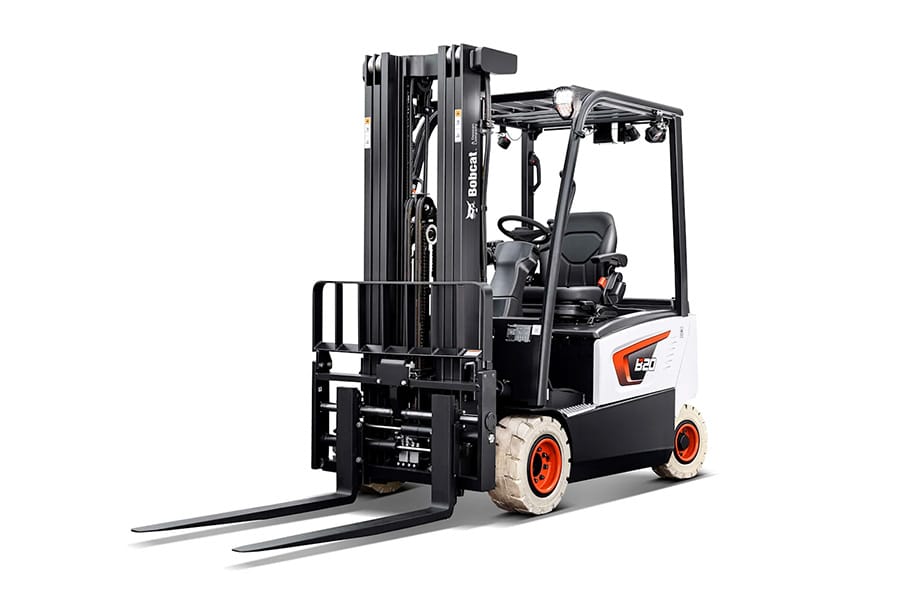
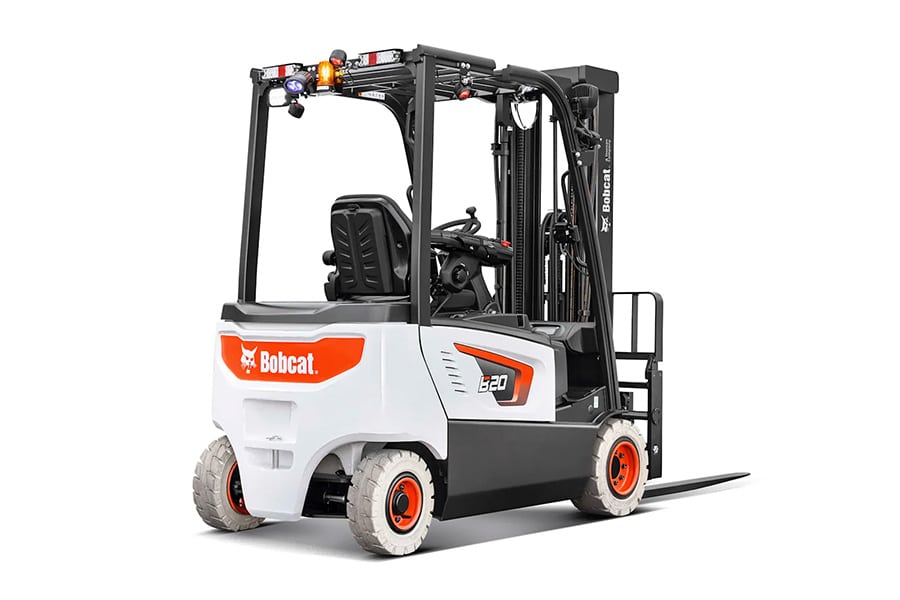
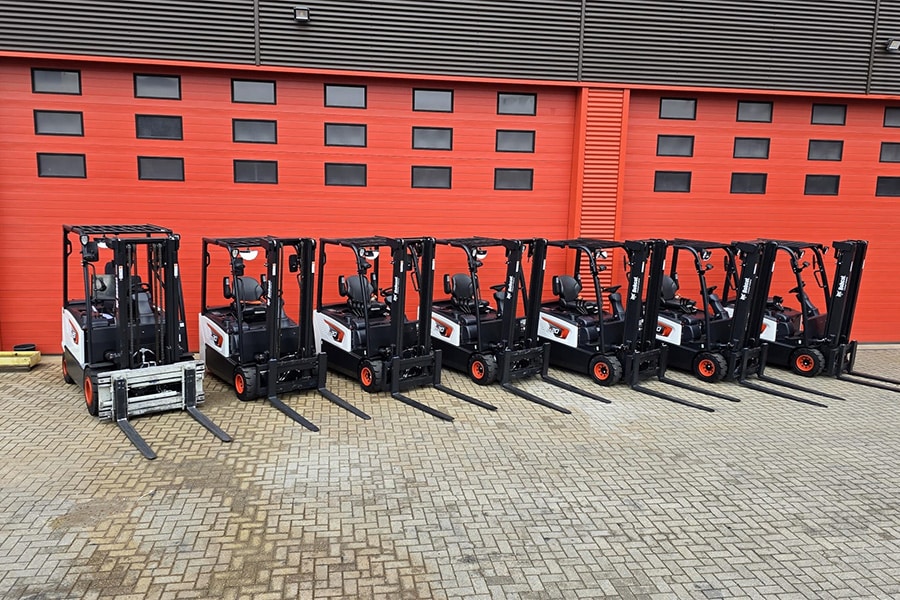
In Hardeman's construction workshop in Veenendaal, there is constant movement: steel, materials and people find their way there in tightly organized logistics. Steel beams, sandwich panels and other heavy materials are moved, unloaded or prepared for transport on a daily basis. To keep that work running smoothly and safely, Hardeman recently took delivery of seven new electric Bobcat forklifts. The machines - ranging from 1 to 2 tons of lifting capacity - replace a number of older BT models that had been in service for nearly 20 years. Another new 5-ton Bobcat is also on order.
According to Edwin van Wijk of Technical Services at Hardeman, the new forklifts had to be practical and reliable above all else. “These machines are used all day long for moving and reversing steel beams and for loading trucks. Then you don't necessarily need complicated specifications, but you do need robustness and good handling,” he says.
The seven machines delivered - the Bobcat B20X-7 Plus with a lifting capacity of 2 tons - are equipped with a 3.30-meter see-through mast. “They don't have to lift higher than under a table, so no more is needed. But this allows you to keep a perfect view of your load which improves safety,” explains Cors Hendrikse of Hendrikse Machines, the company that supplied the forklifts. “They are very functional machines for this kind of workshop.”
The total fleet at Hardeman now consists of more than (45) forklifts. The new models are used at various workstations in the construction workshop, in the warehouse and when loading trucks.
The choice for electric forklifts was made years ago at Hardeman. “We decided four or five years ago to stop buying diesel forklifts. Since then, we've only been buying electric,” Van Wijk says. That means fewer emissions, as well as less maintenance and a quieter working environment.
Still, the machines are used extensively. The BTs that are now giving way to the Bobcats are nearly 20 years old. “They were still working,” says Van Wijk, “but we were facing a second battery change, and that's a big investment. Plus, they were getting optical wear and tear and some defects were appearing. Then replacing them is just a better choice.”
In addition to the seven smaller models, a new 5-ton Bobcat has also been ordered and will be delivered soon. That machine will have a heavier configuration and is especially suited for loading long steel beams of 10 to 12 meters. “That big boy does have all the options on it,” says Hendrikse. “Think heavy, adjustable forks, dual pneumatic tires for stability, a heated cab and an air-sprung seat-everything you need for moving long loads safely and efficiently.”
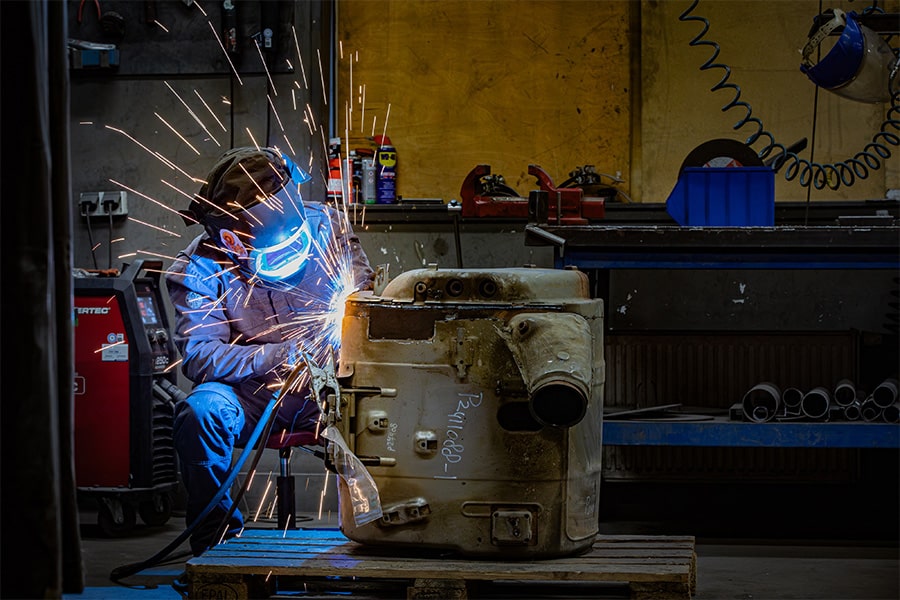
In the construction workshop, almost every welder has his ‘own’ forklift. That means that in addition to their technical skills, employees must also be able to handle material handling equipment. Hardeman takes that seriously: “Everyone who comes to work for us, except office staff, has to get their forklift certificate within six months,” says Van Wijk. “We deliberately let an external party do that. Safety comes first, and you don't want people getting on a forklift without a certificate.”
Hendrikse Machines in Ede has been a Hardeman supplier for many years. This is no coincidence, Hendrikse says: “We can offer very short service lines - Ede and Veenendaal are close to each other, so if there is something, we are on the spot in no time. And Bobcat offers strong value for money. For Hardeman, with such a large fleet and intensive use, that's just important.”
According to Van Wijk, familiarity with the brand also plays a role. “We now have at least fifteen Doosan and Bobcat forklifts running. We know what we get out of them and we like the machines.”
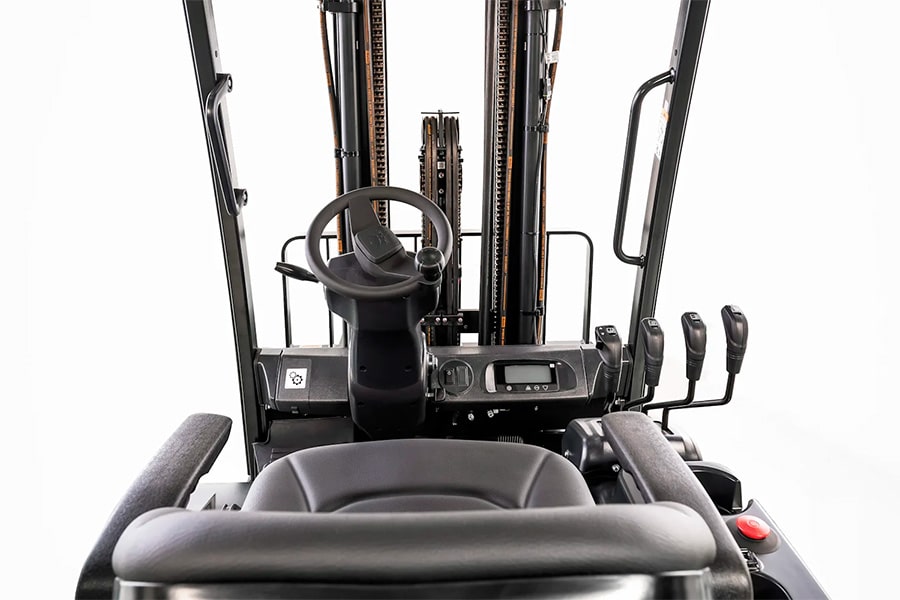
Feedback from the employees who ride the forklifts daily is positive. “Seats are good, handling is fine - it's all to their liking,” says Van Wijk soberly. “And in the end, that's the most important thing: the people who work with them have to be satisfied.”
With the arrival of the new Bobcats and the expansion with the 5-ton variant, Hardeman is again ready for years of intensive internal transport. And that is necessary in a workshop where the steel structures literally reach up to the roof.