warehouselogistiek.eu
EN

The platform for internal & external logistics, supply chain and automation
Flexibility, energy management, and space utilization are reshaping the playing field
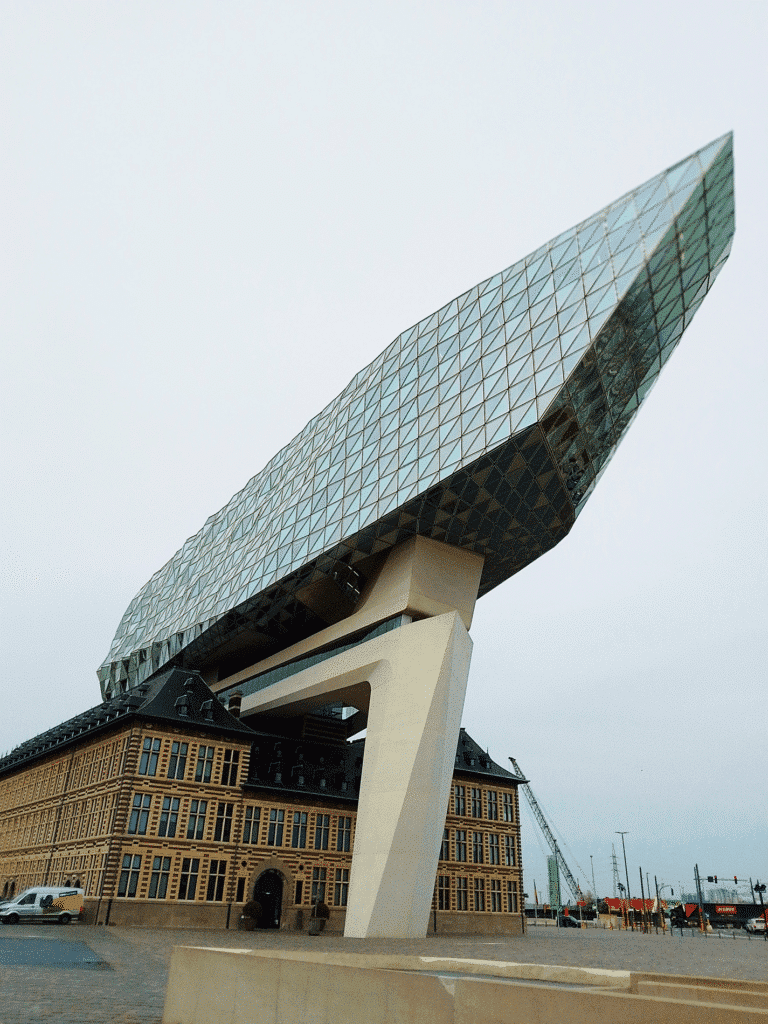
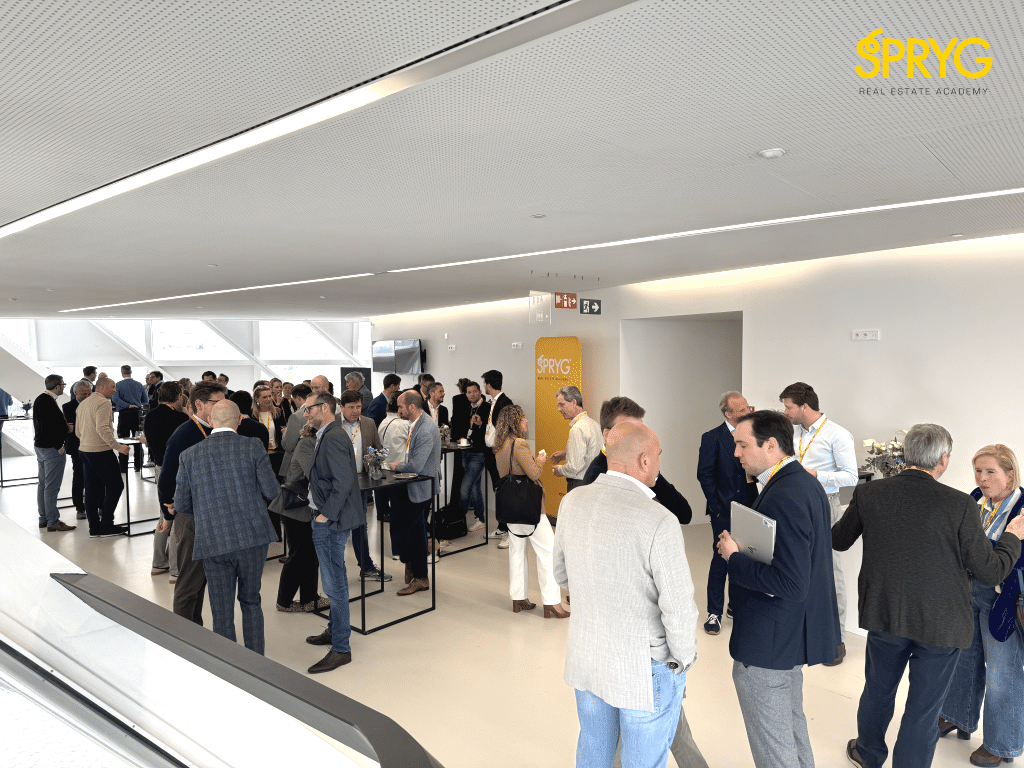
On March 24, 2026, SPRYG hosted the fifteenth edition of Logistics Real Estate Belgium at the Antwerp Port House. During this well-attended study afternoon—moderated by Christophe Wuyts (Head of Industrial Agency at Ceusters Vastgoed)—it became clear that the sector is at a tipping point. Whereas logistics real estate used to be relatively predictable, geopolitical shifts, technological advancements, energy challenges, and a growing shortage of space are now creating a more complex reality.
According to Johan Beukema, managing partner at Buck Consultants International, traditional, globally organized supply chains are increasingly giving way to regional and flexible networks. Companies are bringing production and distribution closer to their markets in order to make their supply chains more robust and less vulnerable to international disruptions.
As a result, we are seeing a shift from static to dynamic supply chains, with a focus on data, digitalization, and continuous monitoring. For Europe, this means a realignment of logistics flows. Central and Eastern Europe are gaining in importance, while Western Europe is under pressure due to higher costs and a limited supply of available land for logistics projects.
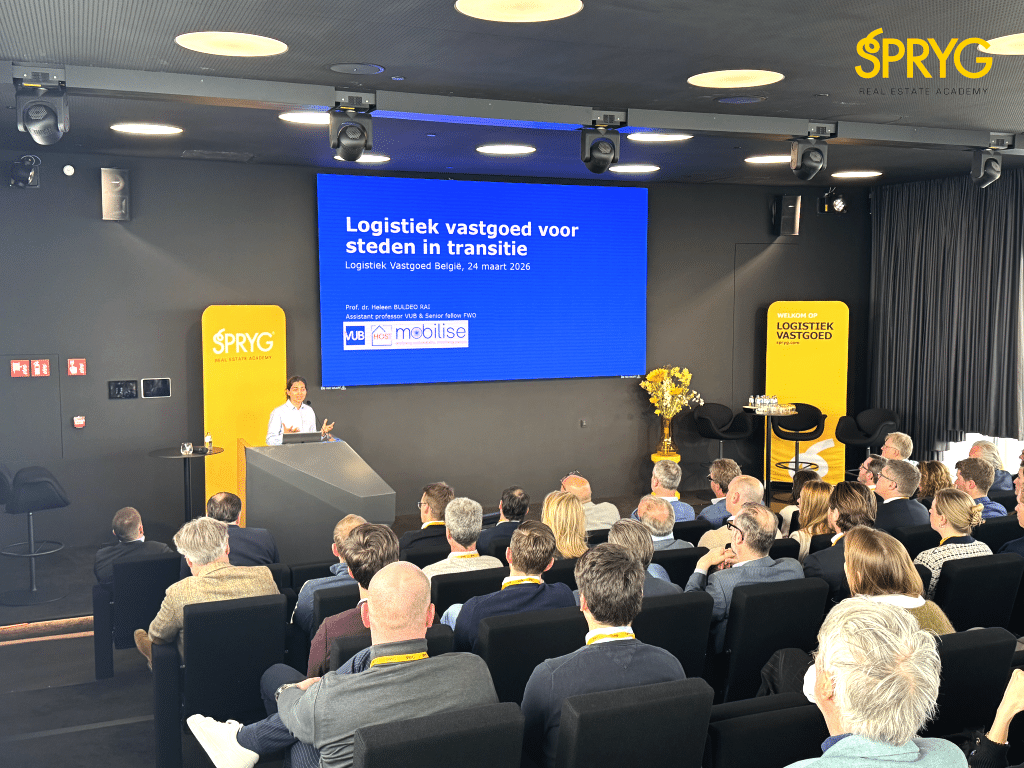
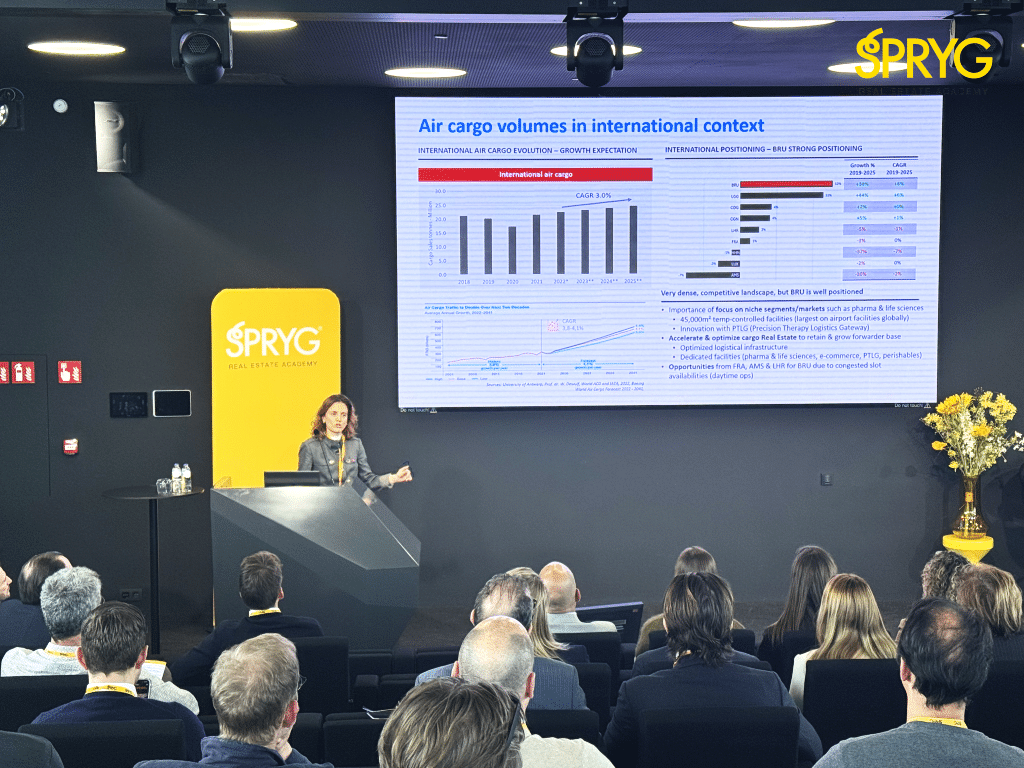
The consequences of this space shortage are most evident in urban environments. The rapid growth of e-commerce is running up against physical and organizational constraints, leading to inefficient and unsustainable last-mile distribution. Prof. Dr. Heleen Buldeo Rai (VUB) highlighted the potential of urban logistics hubs, such as those already in place in cities like New York, Paris, and Amsterdam. By consolidating deliveries and organizing them closer to the end user, transport movements can be reduced. This requires a fundamentally different approach to logistics real estate, with greater emphasis on vertical warehouses, mixed-use development, and integration into the urban fabric. In addition to technical challenges, policy factors also play a role: without adapted regulations and spatial planning, implementation remains complex.
Energy has now become a core component of logistics real estate. According to Robin Bruninx, CEO of Encon, electrification, the growth of data centers, and geopolitical uncertainty are putting increasing pressure on the Belgian power grid. As a result, grid congestion is becoming a structural problem. Logistics players are therefore increasingly becoming active energy managers. Investments in in-house energy production, storage, and smart control have become necessary. Solar panels, batteries, and charging infrastructure are an integral part of new projects. As a result, logistics real estate is evolving from a purely operational asset into an energy platform that also generates value in that area.
In addition to energy and space, labor shortages also pose a significant challenge. Companies are facing a shortage of staff and are looking for ways to organize their processes more efficiently. Jonathan Bytebier, sales manager at Movu Robotics, emphasized how automation plays a key role in this. Innovative technologies such as 2D and 3D shuttle systems make it possible to optimize both new and existing warehouses. Thanks to their flexibility and scalability, these systems lower the barrier to automation.
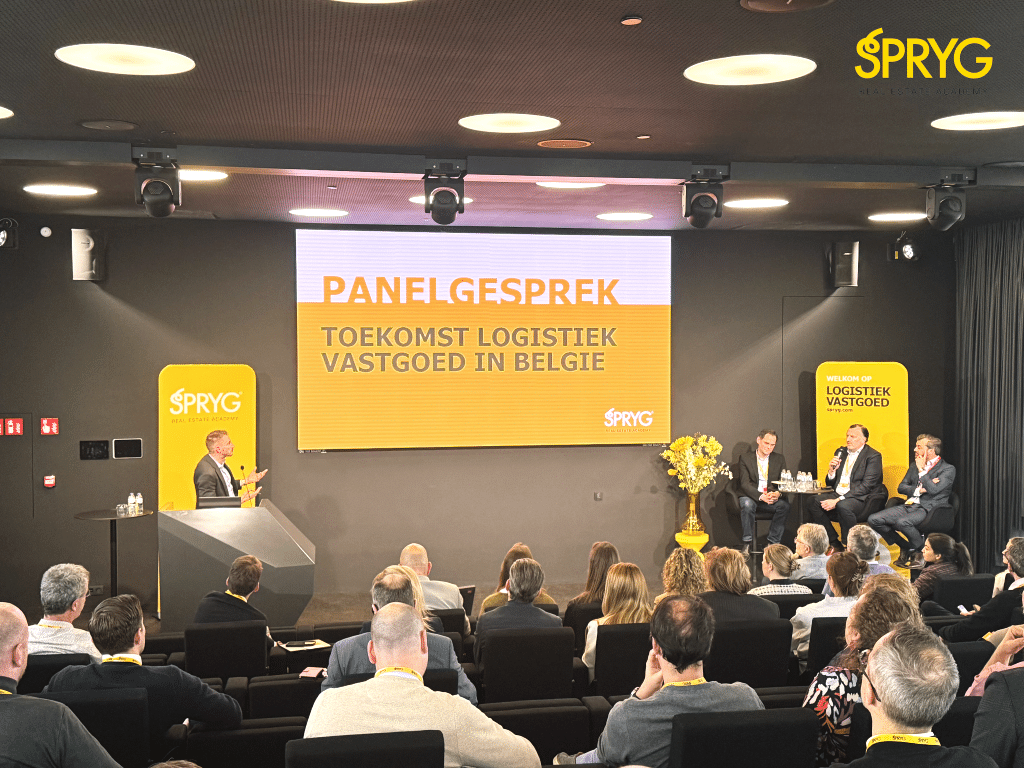
The limited availability of space for logistics developments in Belgium was a recurring theme throughout the two closing debates. In an initial panel discussion, featuring Ivo van Hauten (VLAIO), Xavier Van Reeth (Montea), and Henri Van Bockxelaere (Weerts Group), among others, it became clear that the space actually available in Flanders is even scarcer than is often assumed. Consequently, policy is increasingly focused on more efficient use of space through redevelopment, mixed-use development, and strategic planning.
For businesses, this translates into a growing need for flexibility. Large plots in prime locations are rare, leading to a greater geographical spread of operations. At the same time, the focus is shifting from large-scale new construction to the redevelopment of existing sites. Within this context, energy once again plays a decisive role. Locations with available capacity or opportunities for on-site production are becoming more attractive, although accessibility remains essential for certain users.
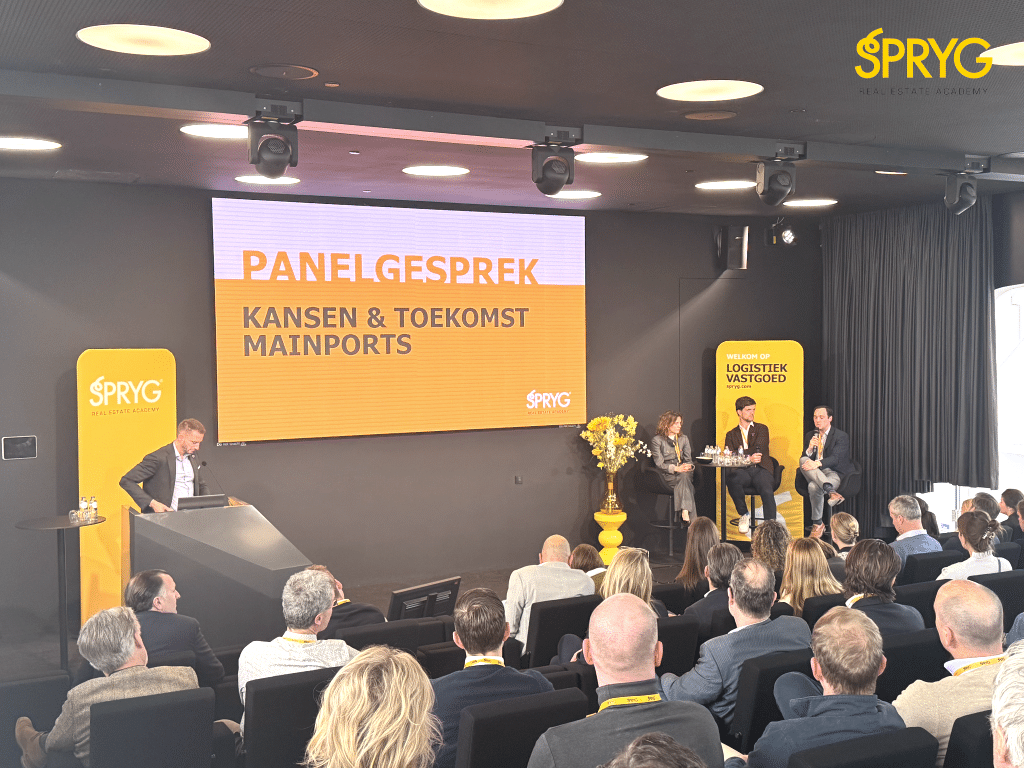
Space is also coming under increasing pressure at Belgium’s main ports. During a second panel discussion featuring Fred Baert (North Sea Port), Dries Van Gheluwe (Port of Antwerp-Bruges), and Emilie Beusen (Brussels Airport Company), the focus shifted from expansion to optimization. Brownfield development is gaining importance, while complex permitting procedures and international competition create additional challenges. Energy and sustainability represent both a necessary transition and a determining factor for the future of logistics real estate.