warehouselogistiek.eu
EN

The platform for internal & external logistics, supply chain and automation
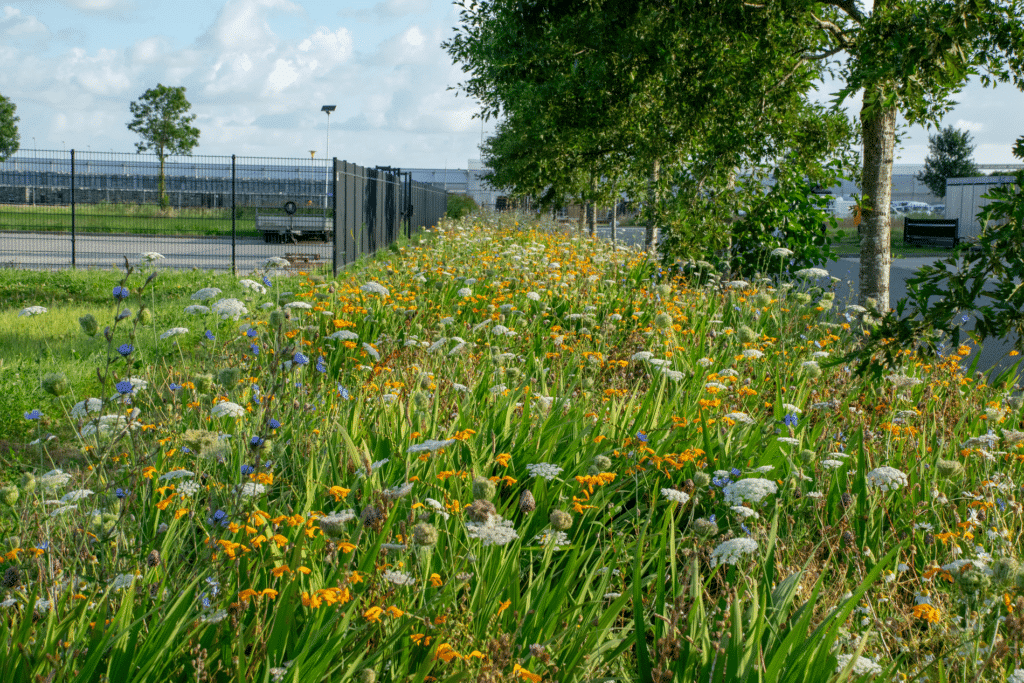
Warehouse as a working landscape
“Greening a distribution center is enormously expensive.” It's a common reaction, they know at Transport en Logistiek Nederland (TLN) and Koninklijke Vereniging van Hoveniers en Groenvoorzieners (VHG). Last year, these organizations started a partnership with the goal of greening distribution centers. “We really hope to change the persistent perception that greening only costs money. After all, in the long run, greening really does make money!” emphasizes Falco Lievaart, Spatial Planning Policy Advisor at TLN.
The Netherlands has more than 40 million square meters of distribution centers, where more than a quarter of a million people work every day. These centers often consist of large gray ‘boxes. The pressure from the environment and government is growing to counteract the ’withering‘ of the landscape. Research shows: greenery increases job satisfaction, reduces absenteeism, increases property value by four to eight percent and reduces damage from flooding and heat stress.
Enough reasons for the sector to delve seriously into this subject, and both TLN and Royal VHG are happy to help with that with a new brochure, a research publication and various events, among other things.
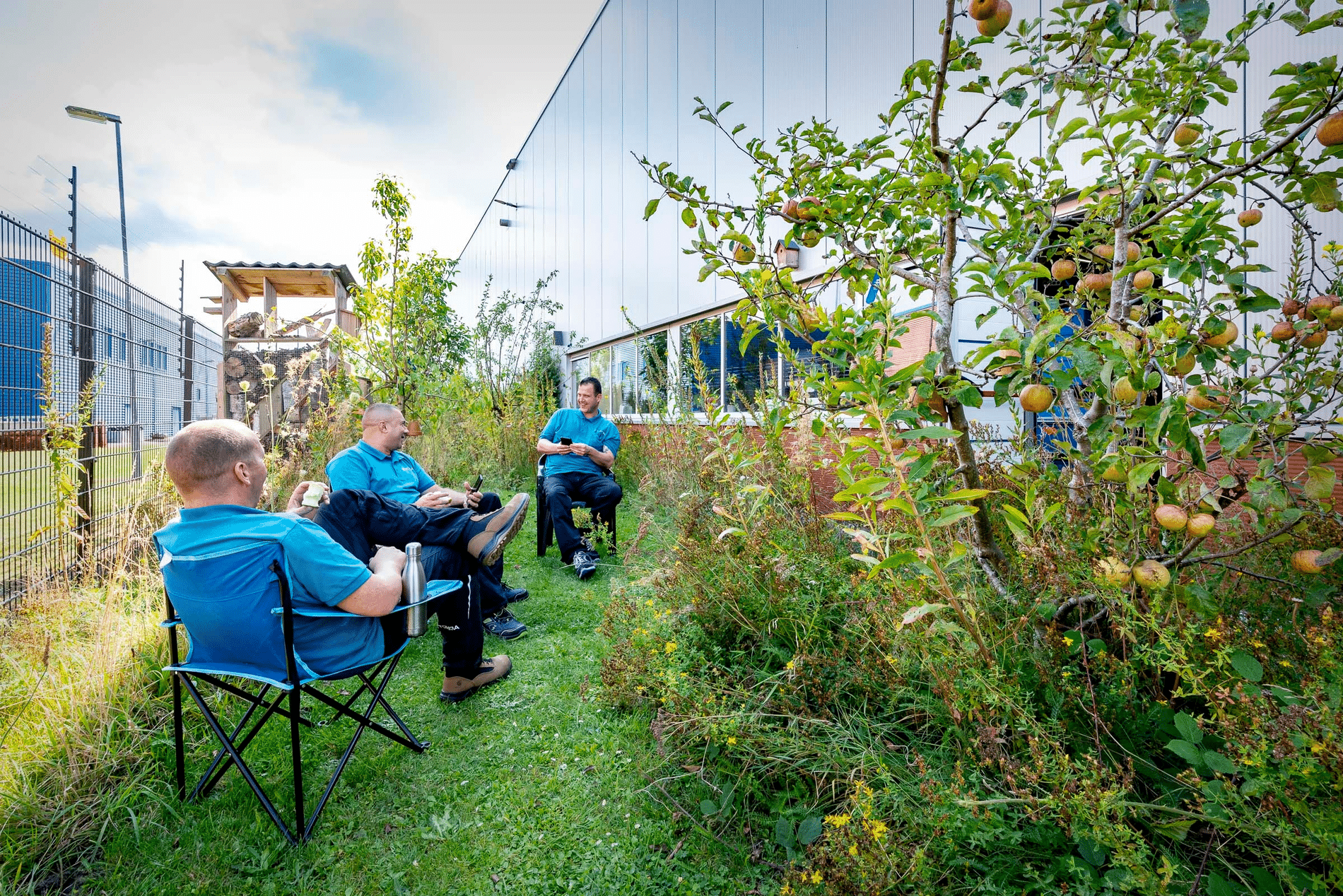
Lievaart: “The misunderstanding is often in the scale. Greening can be large and complex, but it can also start with small interventions. It depends on how far you want to go. For a few hundred euros you can already take green measures. And these first steps already provide lower energy costs and a more pleasant working environment, which ultimately leads to less sick leave.”
Thanks to a study by Royal VHG, the ROI is becoming increasingly concrete. For example, the research publication Green on the Balance Sheet shows that, in addition to comfort and insulation, green roofs lead to about 200 euros lower energy costs. “And that while the property value increases via a better energy label.” Lievaart points to calculations linking greenery to productivity and absenteeism. One example: three plants per employee requires about 45 euros of investment, versus an estimated productivity increase of 1,800 euros per employee per year. This example underscores the importance of a green work environment. “Moreover, there are numerous subsidies available that significantly reduce the payback period,” Lievaart adds.
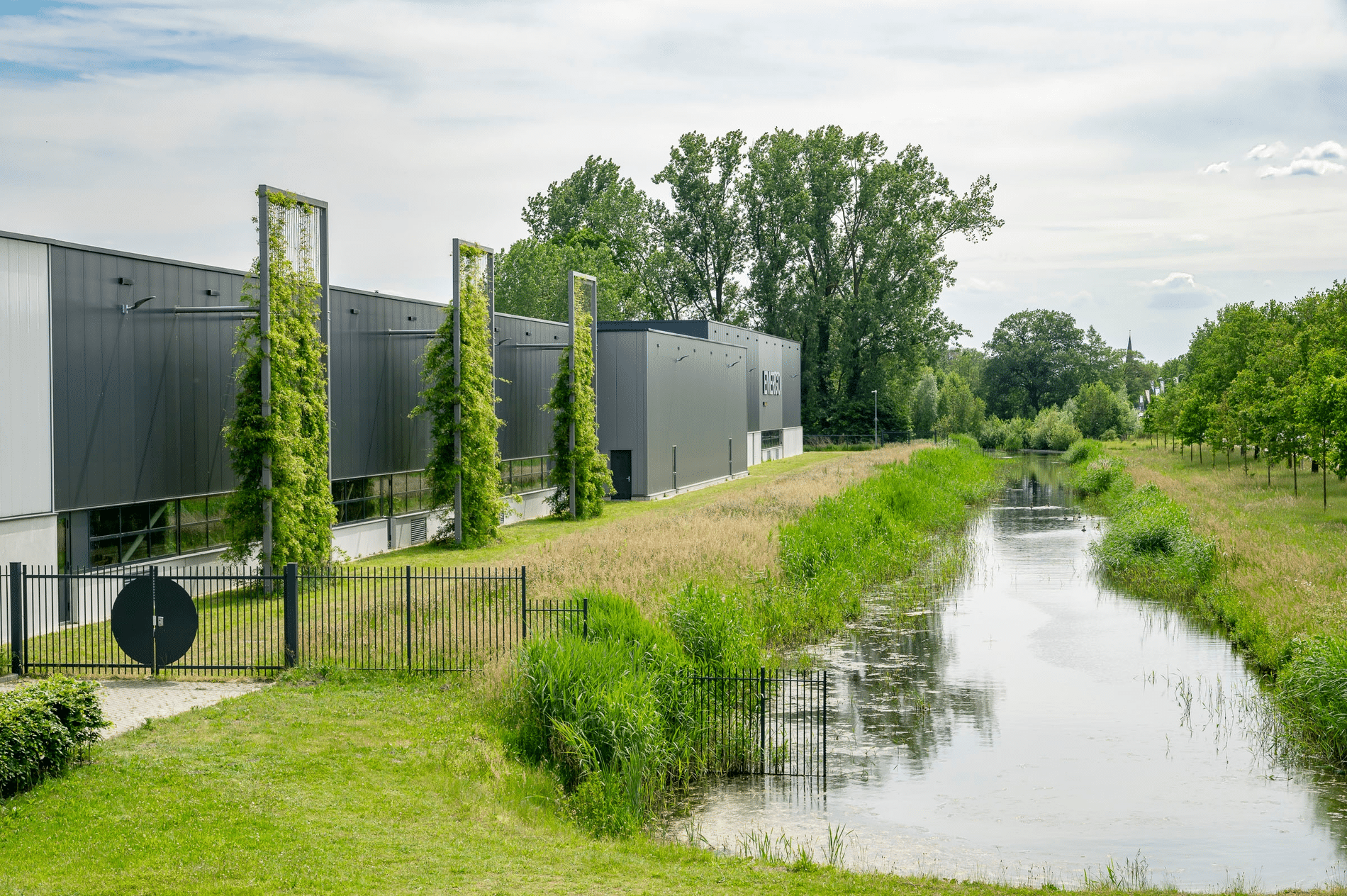
More and more municipalities are requiring sites to be multifunctional. “Now we see a lot of logistics companies next to our highways. But if you put up really nice buildings, with space on the business park where you can also walk, then it also has a recreational function and can coexist with housing. Or the site will have a climate-adaptive function with borders and permeable paving. After all, both prevent heat stress and flooding.”
Royal VHG and TLN together visited a number of logistics service providers who have already taken the step. Marc Wichman says on behalf of Royal VHG that these companies are seeing demonstrable results. “They notice that greenery really makes a positive contribution to the employees” well-being. They also receive a lot of appreciation from their surroundings about the beautiful addition to the landscape. And, of course, it forms a wonderful calling card for visiting clients."
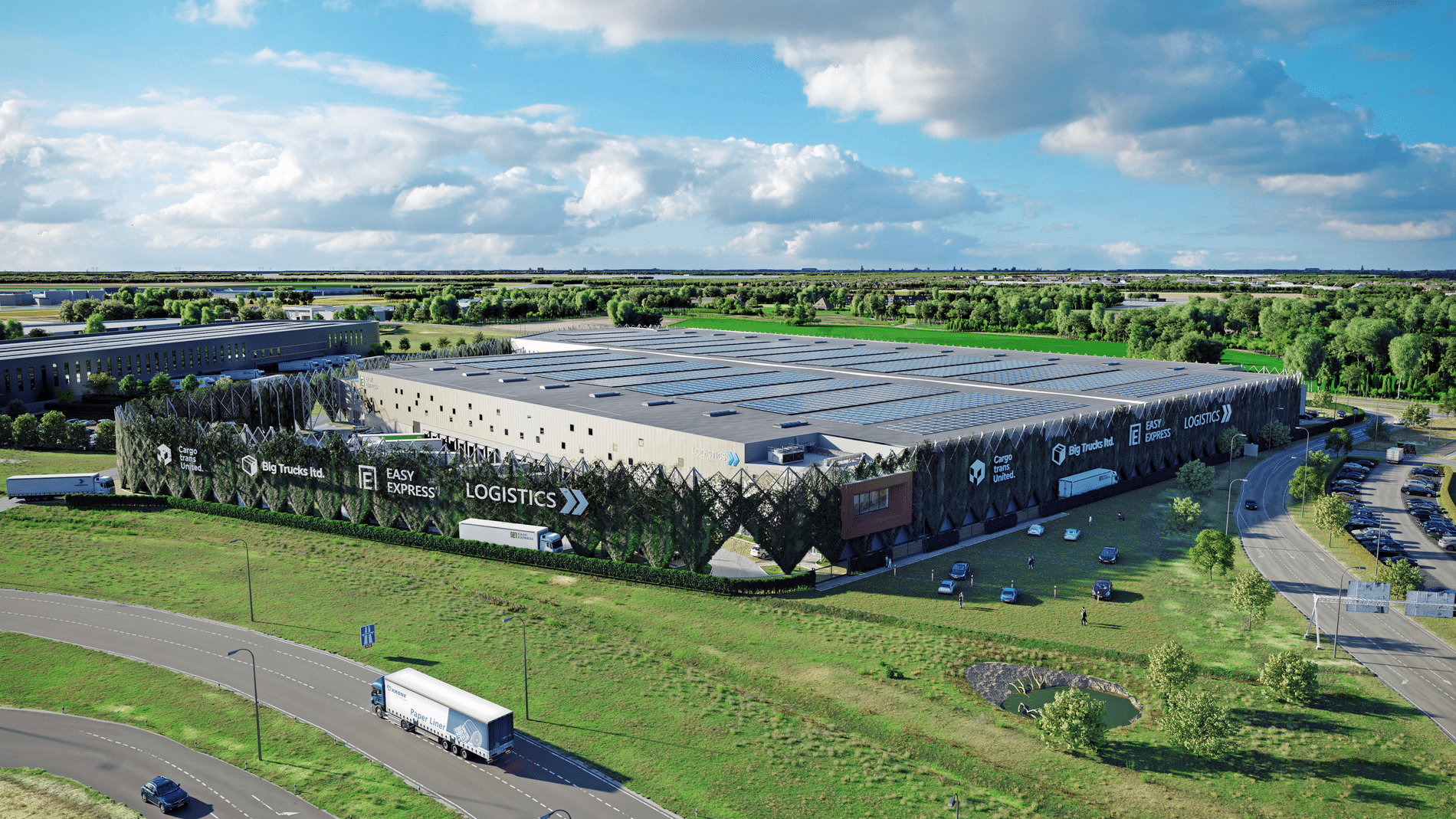
Those wishing to find out more should contact TLN. Lievaart: “By cooperating with the VHG, we can inspire entrepreneurs in taking advantage of green opportunities. We are happy to point them in the right direction.” TLN is organizing several events in the coming months, the dates will appear online soon.
The brochure Warehouse as a Working Landscape can be downloaded from the websites of both organizations. The publication ‘Green on the Balance Sheet’ can be found on the website of Royal VHG.