warehouselogistiek.eu
EN

The platform for internal & external logistics, supply chain and automation
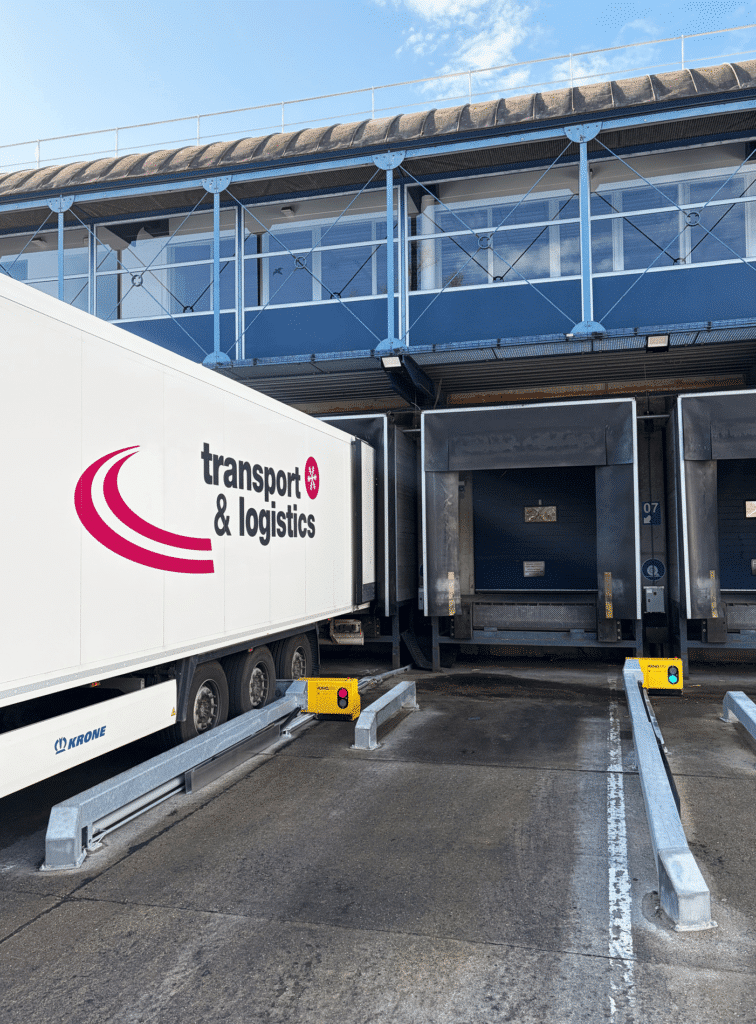
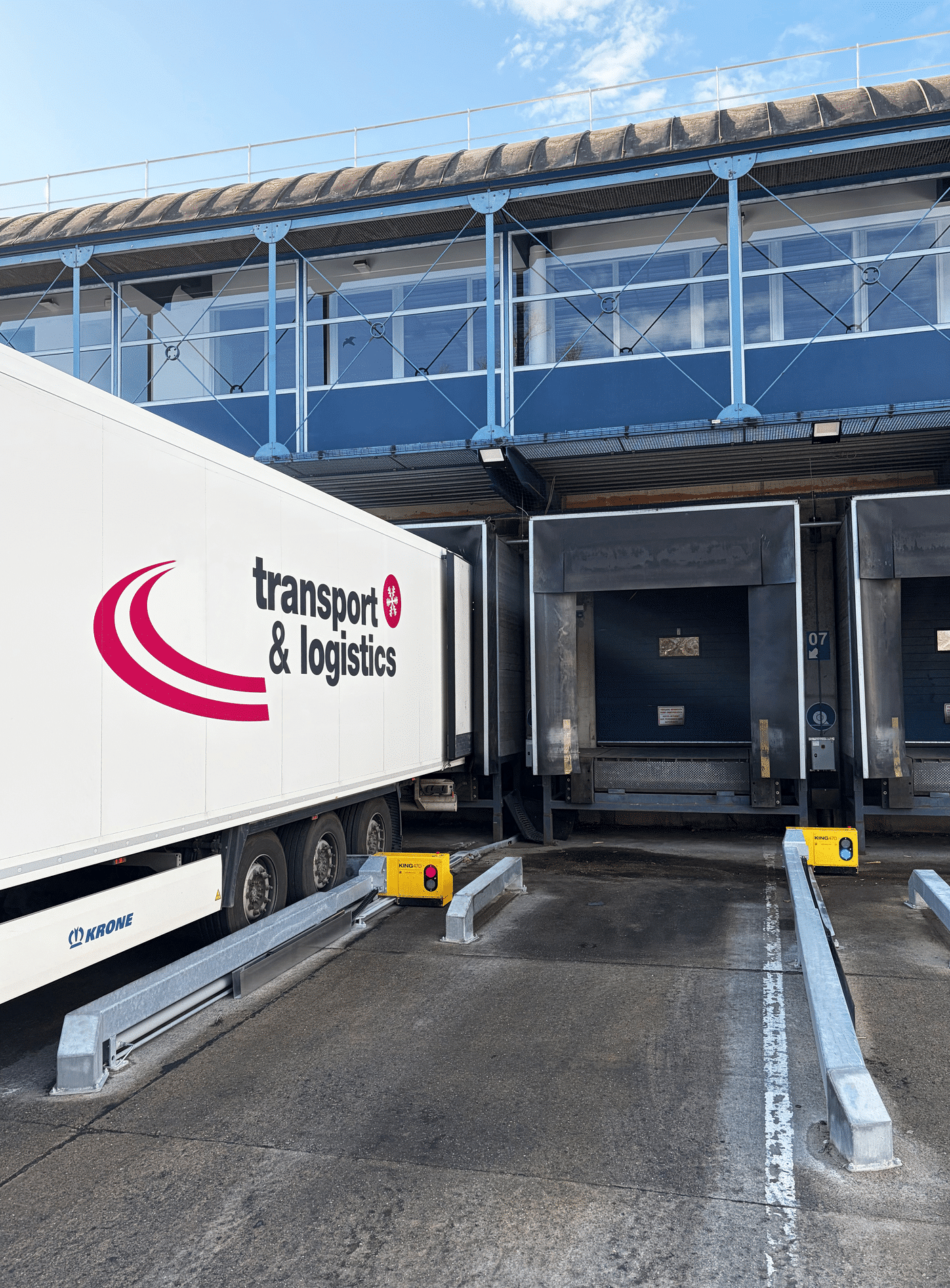
Every day, trucks back up to loading docks to load and unload goods. It’s a routine operation, but not without risks. A truck that moves unexpectedly or pulls away too early during the loading process can have serious consequences for employees, equipment, and goods. Brussels-based TECSI has been developing solutions for four decades to make working at loading docks safer and more efficient.
TECSI develops, manufactures, and installs a wide range of loading dock equipment. The product range extends from wheel chocks and loading bridges to wheel guides, bumpers, dock shelters, signage, and other safety features. The company does not focus exclusively on individual products. Its activities also include risk assessments of the entire dock area, ensuring that safety measures are coordinated with one another.
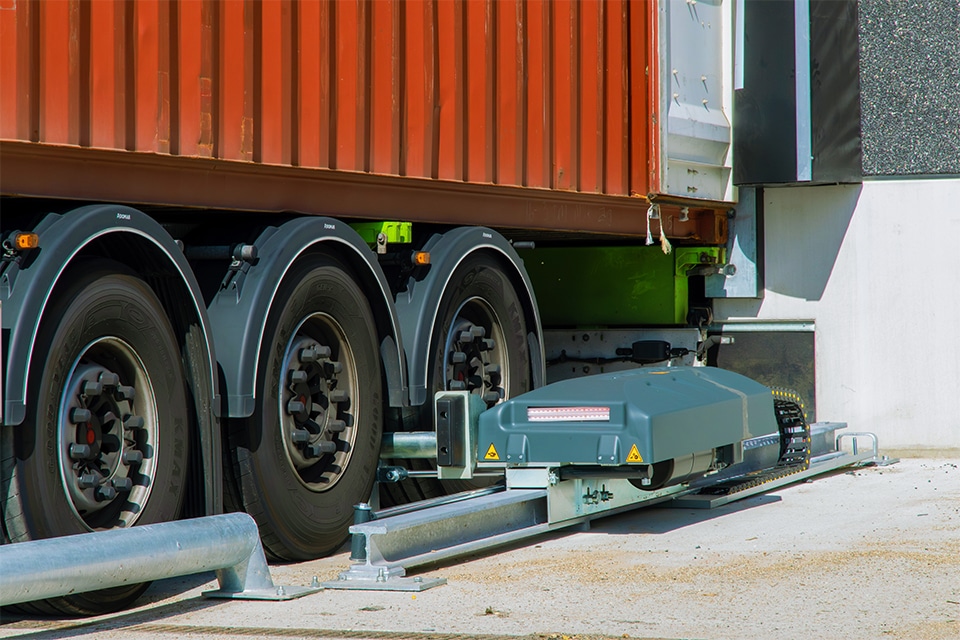
One of the most recent solutions is the KING470, a fully automated system that prevents a truck from accidentally leaving the loading dock. The system gets its name from its blocking height of 470 millimeters. Once the truck is positioned, the wheel is automatically detected and blocked. As a result, the warehouse employee does not have to rely on the driver to correctly place a wheel chock. The KING470 is also designed to withstand very high horizontal forces and thus more than meets the requirements of FEM Class 3. With high wheel chocks, there is normally a risk of damage to the truck’s fenders. To address this, TECSI developed the patent-pending ‘TOUCH & BLOCK’ principle. The wheel chock gently positions itself between the wheel and any fender, after which the vehicle is securely secured.
Communication also plays an important role. LED indicators on the system clearly show the driver when the truck is blocked and when it can safely move again. For employees inside the facility, the wheel lock can be linked to, for example, the sectional door and loading dock. This creates a controlled sequence of actions and reduces the risk of human error.
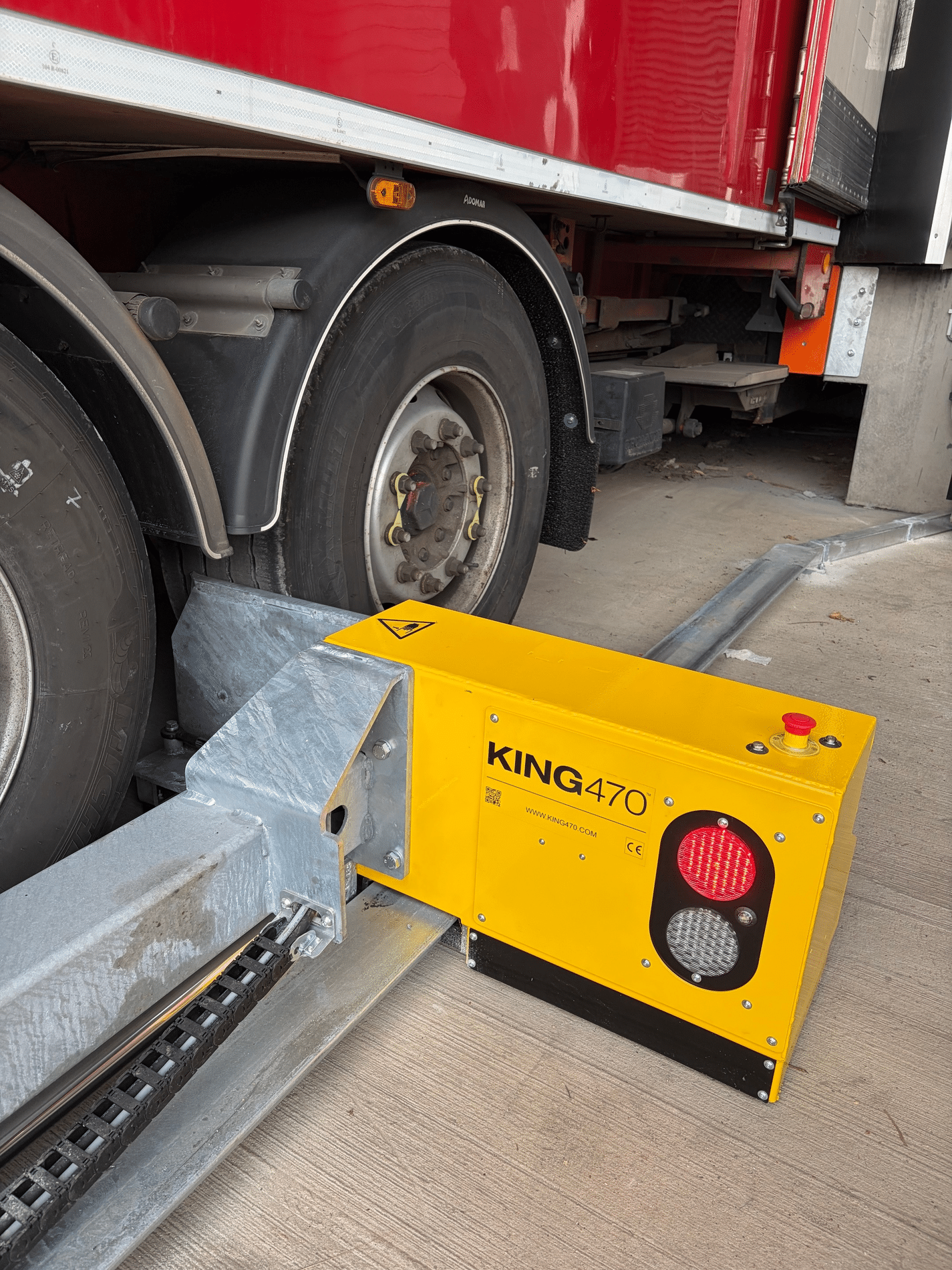
TECSI has a workshop covering more than 5,000 square meters and handles a large portion of its production in-house. Metalworking and electrohydraulic manufacturing are combined with the construction of electrical control cabinets, PLC programming, and the assembly of hydraulic units. This enables the company to tailor solutions to customers’ specific needs.
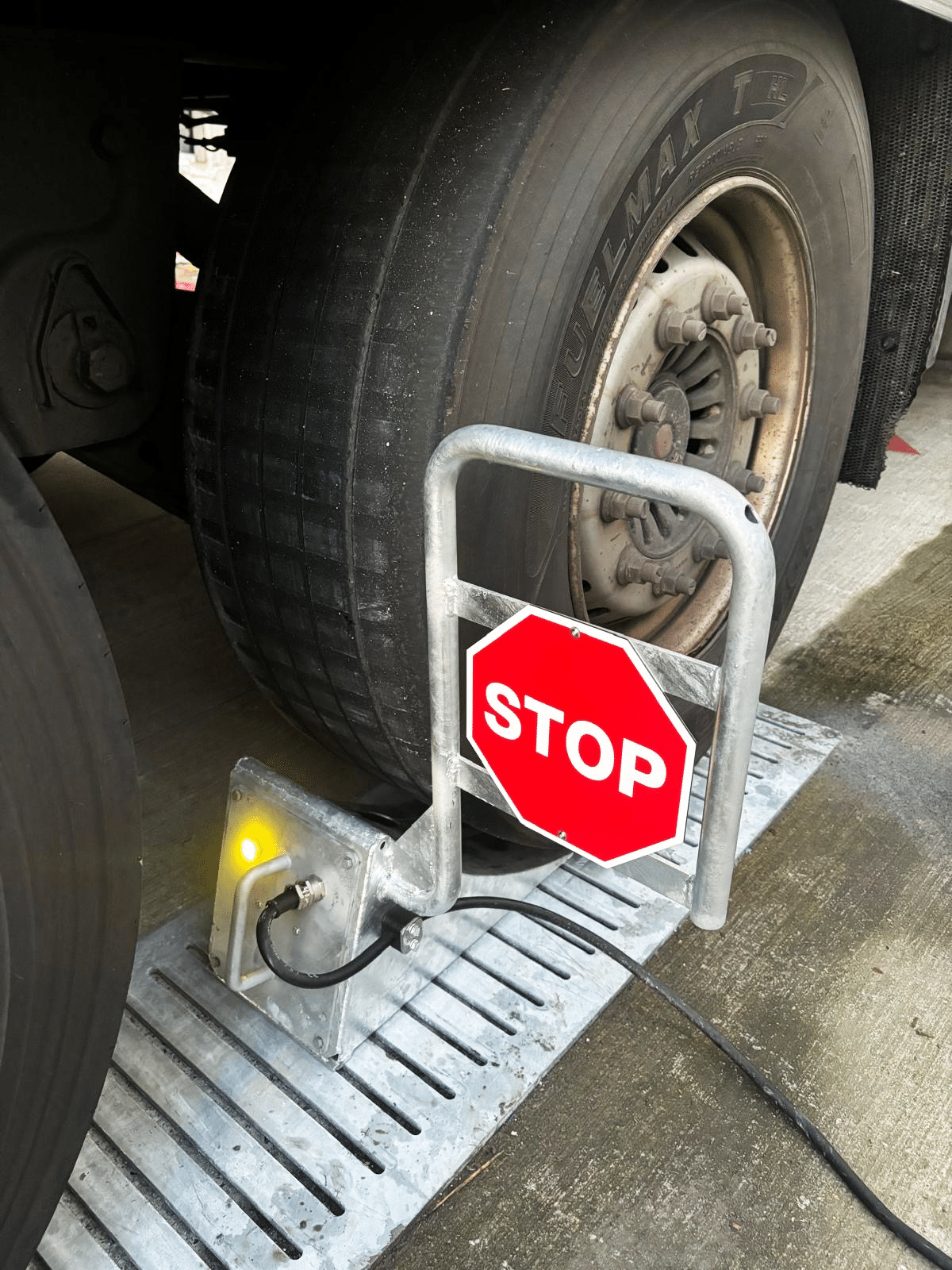
In addition to automated systems, TECSI continues to manufacture simpler solutions. The MAX series, for example, consists of manually placed wheel chocks, which—depending on the model—can include detection, signaling, and interlocking features. This allows the safety level to be tailored to the situation and the available budget.
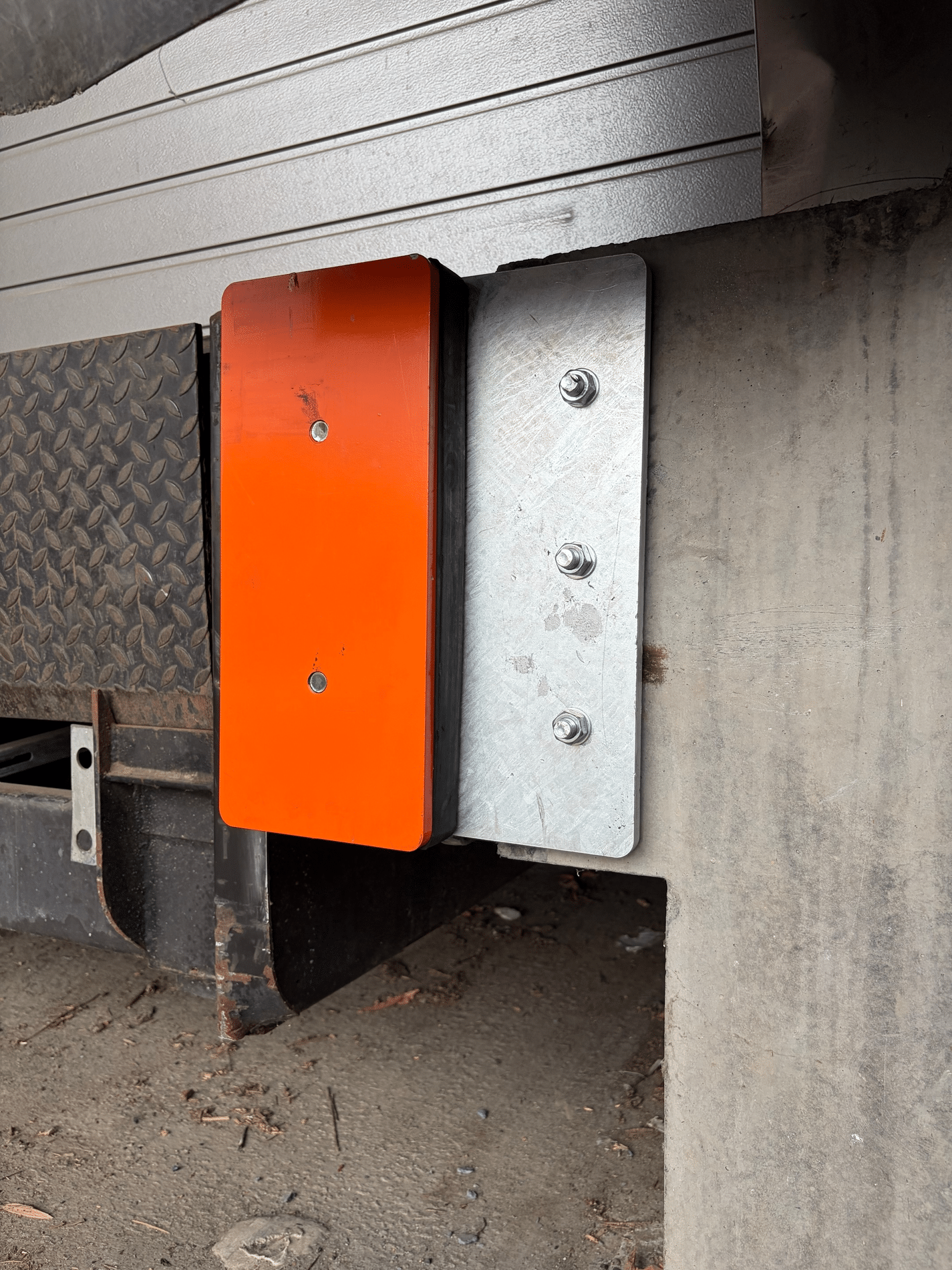
The same principle applies to the rest of the loading dock equipment. Among other things, TECSI supplies robust loading bridges, wheel guides, and bumpers that protect both the building and the truck from the forces generated during daily docking operations. According to TECSI, safety at the loading dock is therefore not about a single product, but rather about the combination of technology, clear communication, and control over the entire loading and unloading process.