warehouselogistiek.eu
EN

The platform for internal & external logistics, supply chain and automation
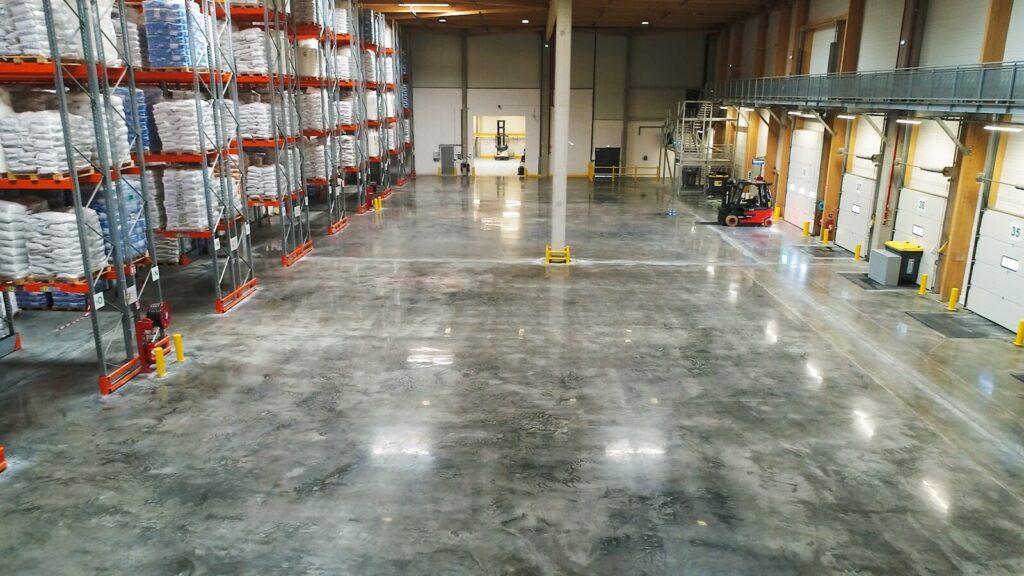
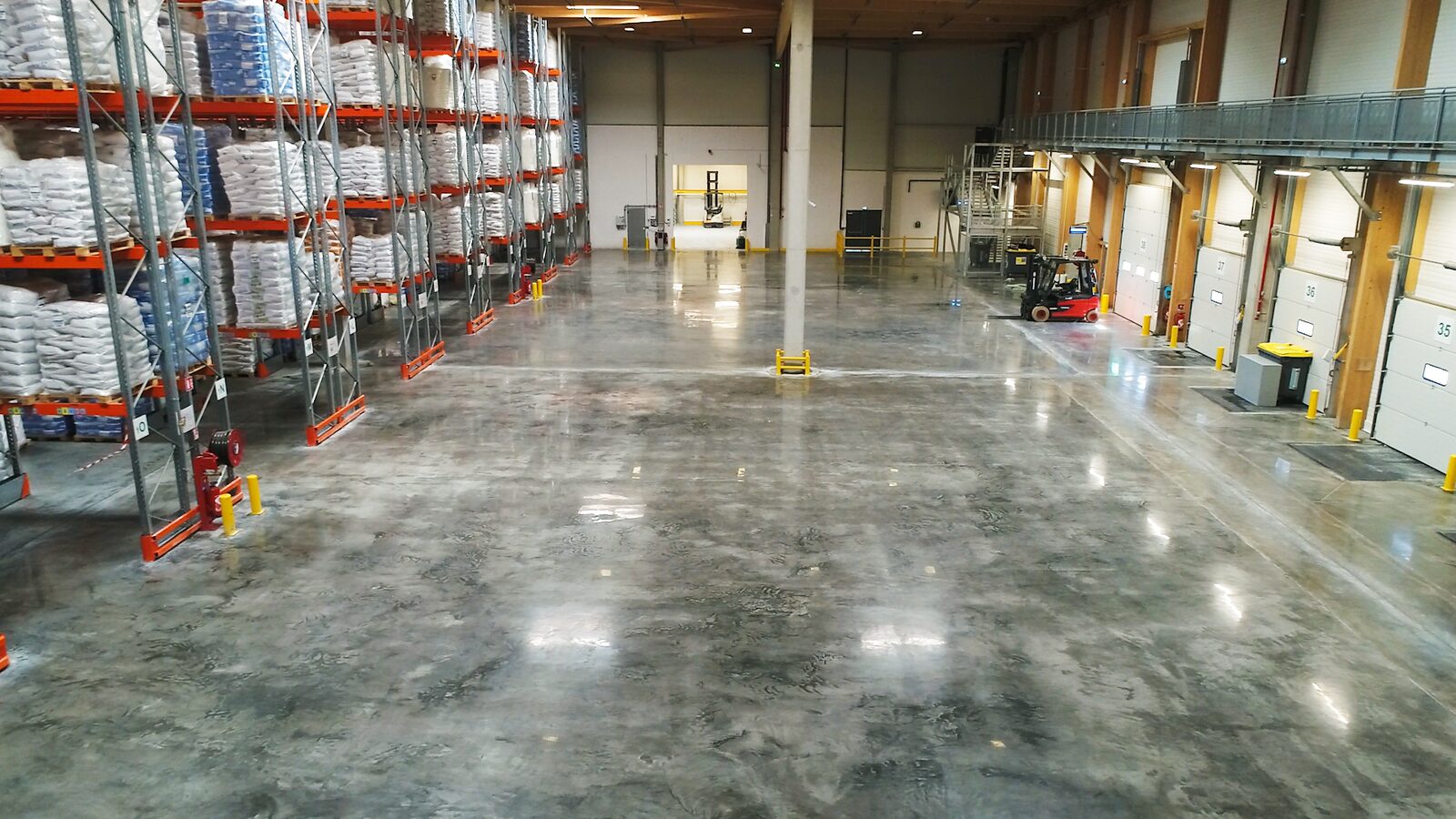
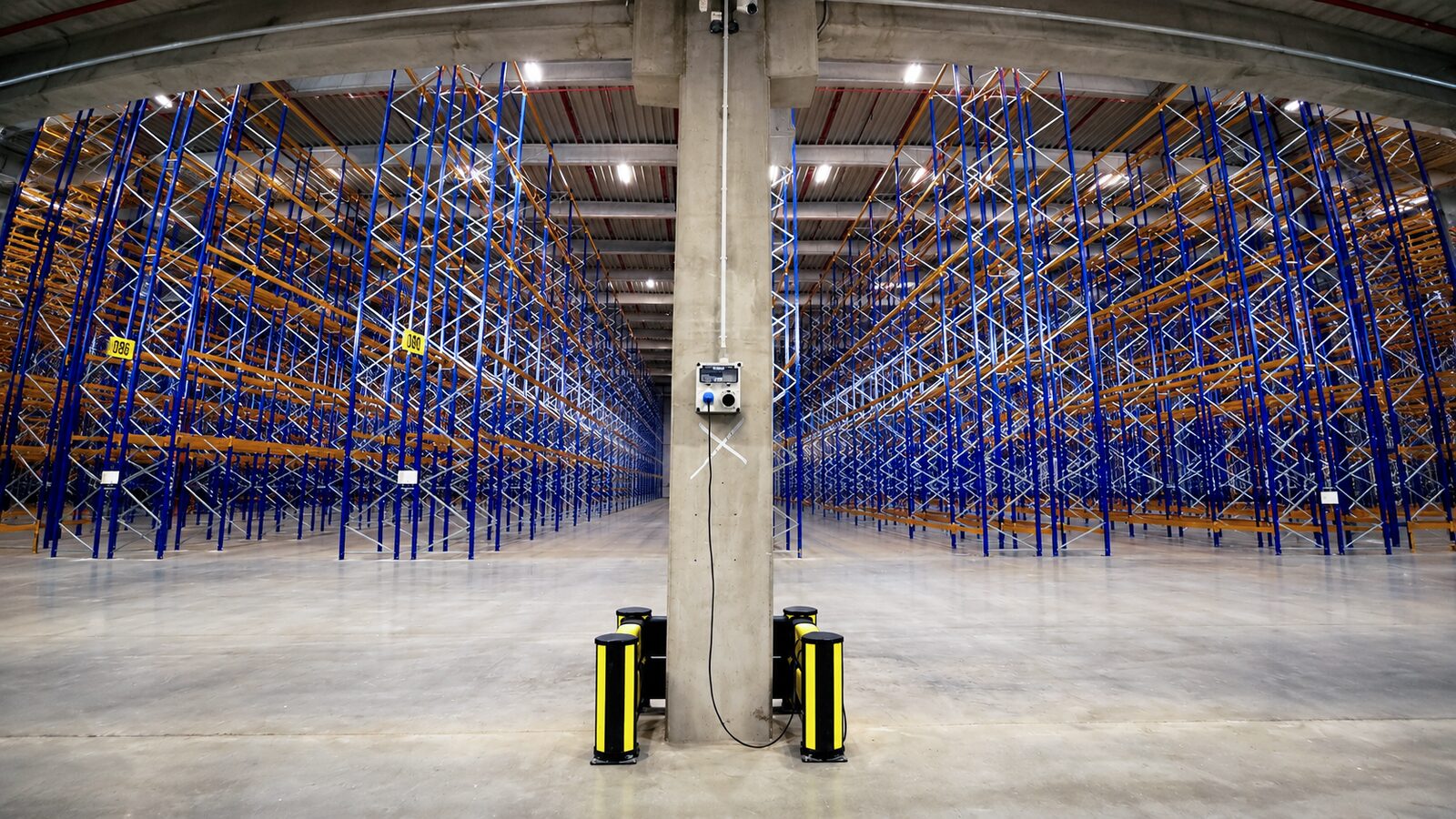
No matter how advanced a warehouse may be, without a level concrete floor, the technology won’t get very far. Especially now that robotics and automation are becoming increasingly prevalent in logistics, even millimeters suddenly matter a great deal. Yet in practice, that floor often doesn’t get attention until a tenant leaves and the signs of years of intensive use become visible. That’s when the specialists at BECOSAN Flooring step in.
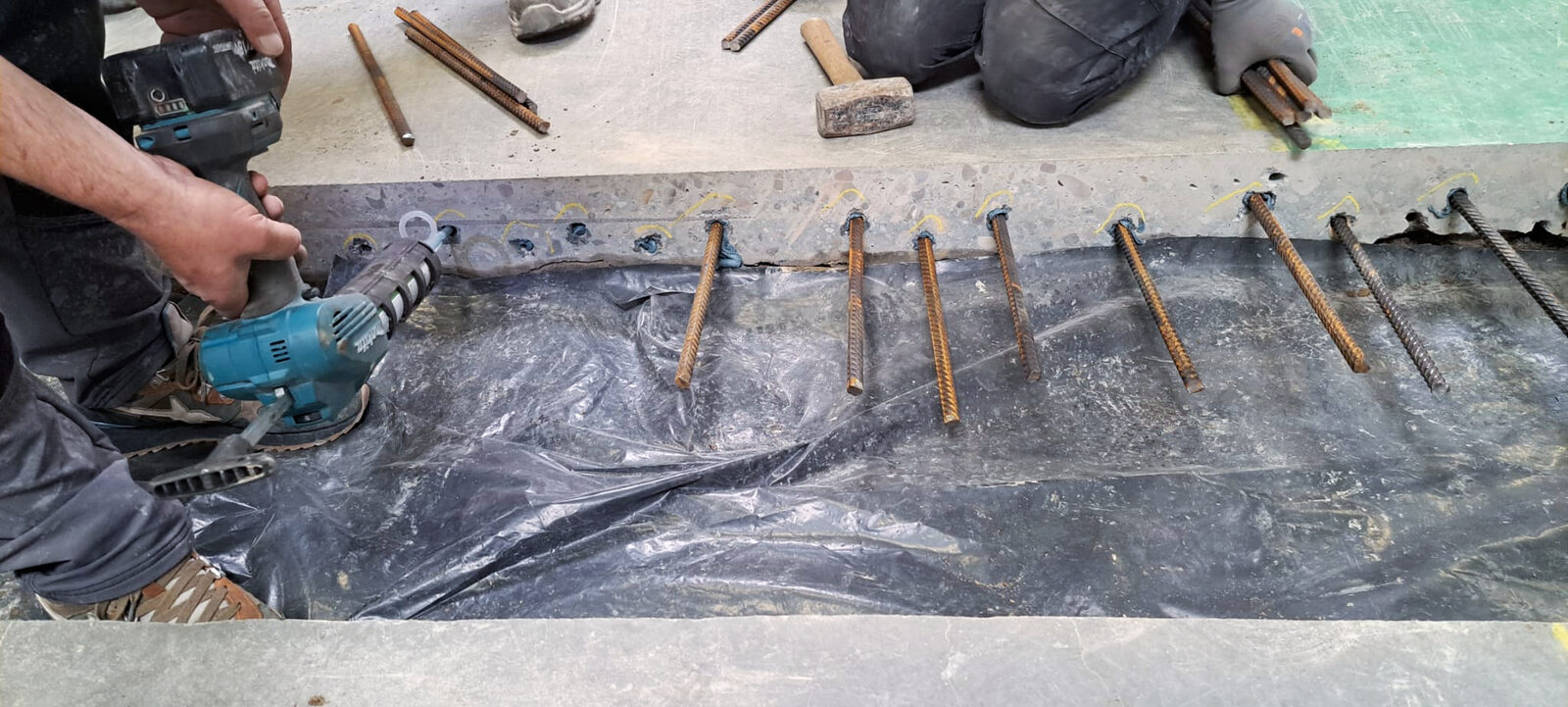
“We are indeed often called in during a move-out to give the floor a major makeover,” says Steven van Oossanen of BECOSAN Flooring, which specializes in renovating industrial concrete floors. “Line markings need to be removed, and thousands of anchor bolts from former racking systems must be extracted from the floor. The latter isn’t done by simply grinding the bolt down just below the surface. After all, a bolt left behind could cause problems again with a new racking layout. That’s why we remove the bolts entirely by hand, after which the holes are filled with a special mixture of low-shrink mortar and epoxy.”
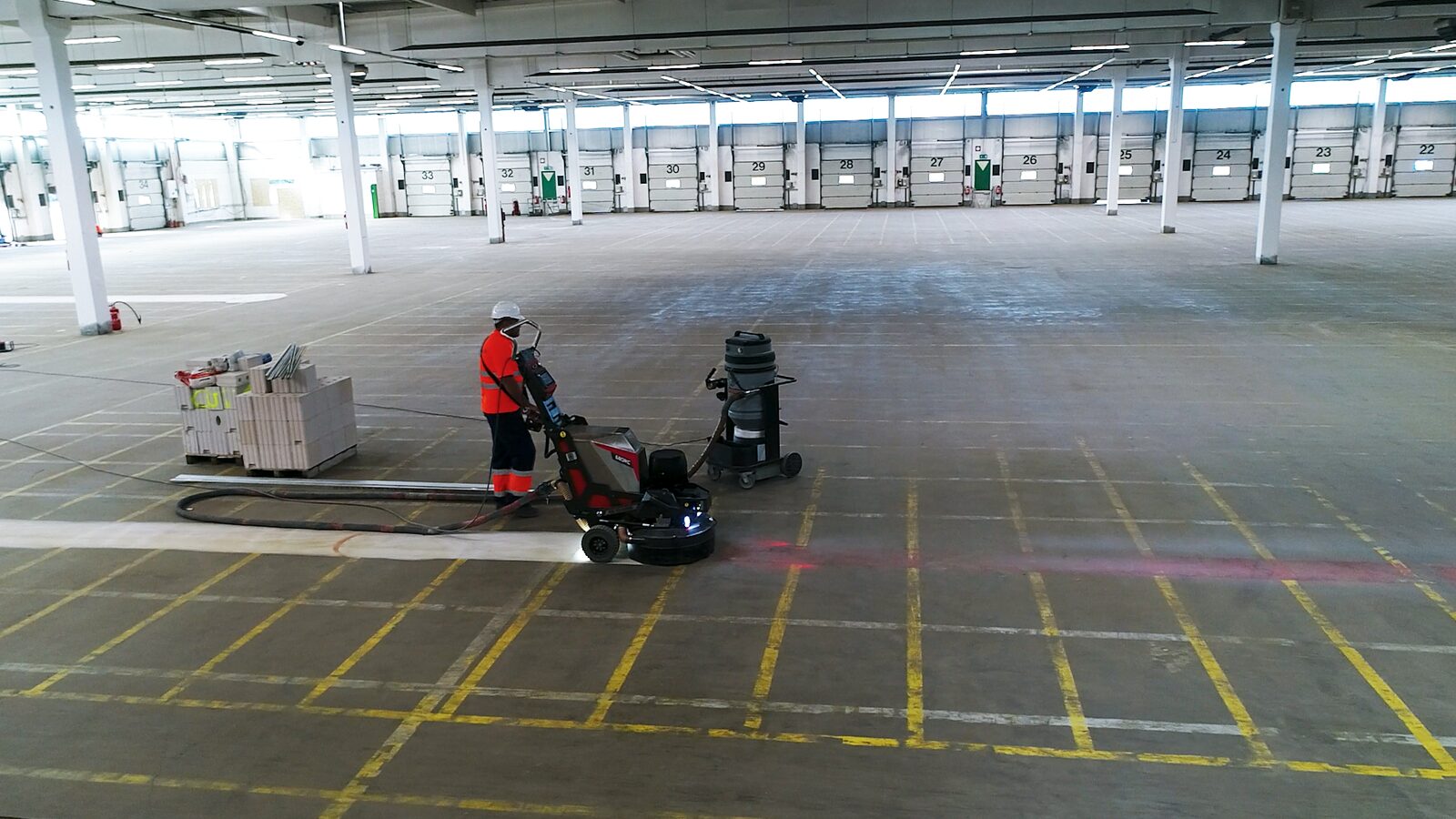
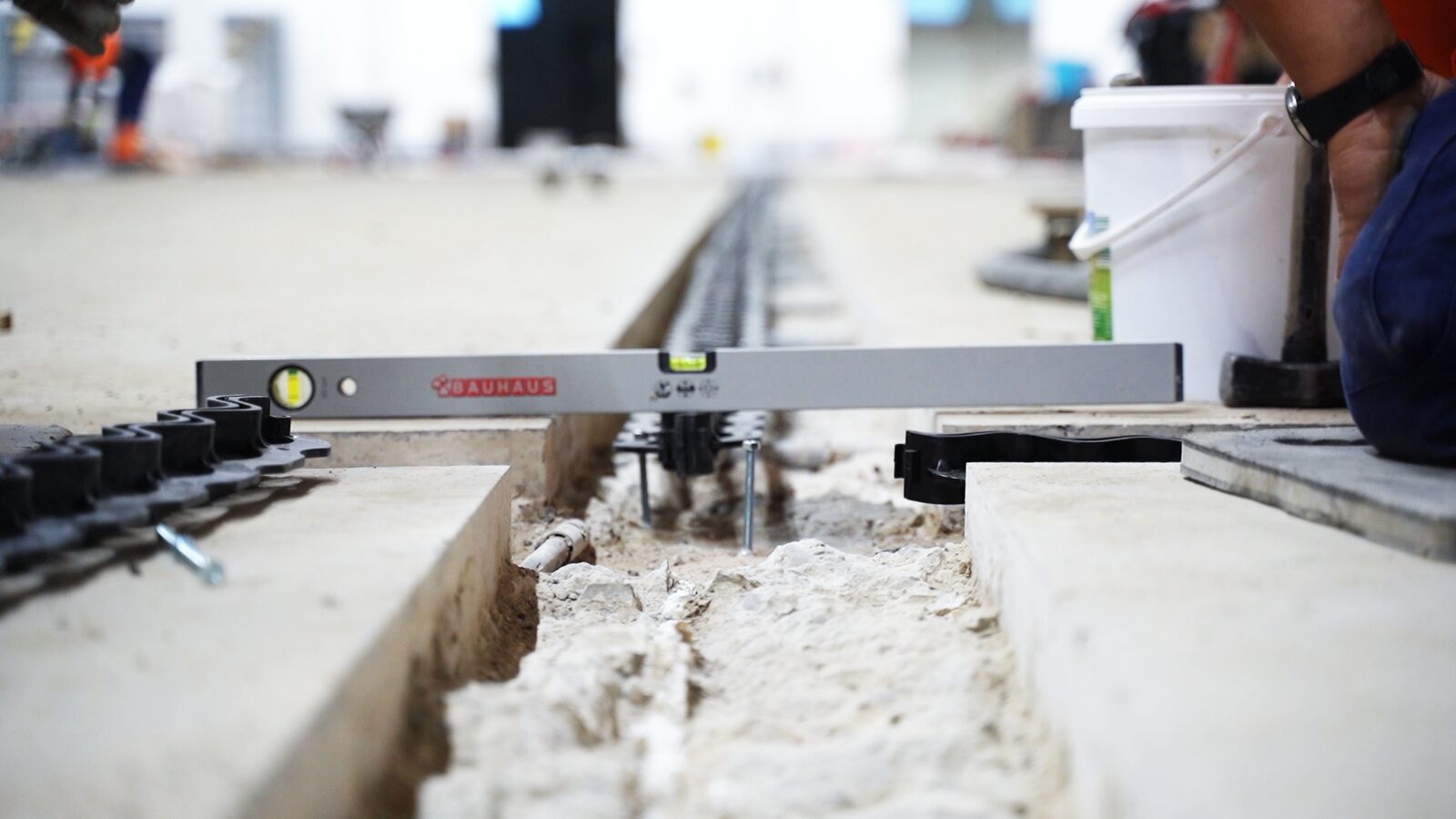
A project in Germany illustrates just how extensive such an operation can be. “We were called in there to remove approximately 18,000 wedge bolts. By hand, indeed,” Van Oossanen emphasizes. “With three teams working in shifts, we got the distribution center’s floor ready for the next tenant in just four weeks.” Expansion joints can also cause problems after years of use. “A difference in height might seem harmless—until forklifts or autonomous vehicles drive over it hundreds of times a day. This results in wear and tear on wheels and components. And in robotics, even a slight unevenness can affect the system’s operation. That’s why we completely remove a standard expansion joint and rebuild it, then level the entire structure along with the floor. It’s better than the original and, depending on the intensity of use, will last ten to twenty years.”
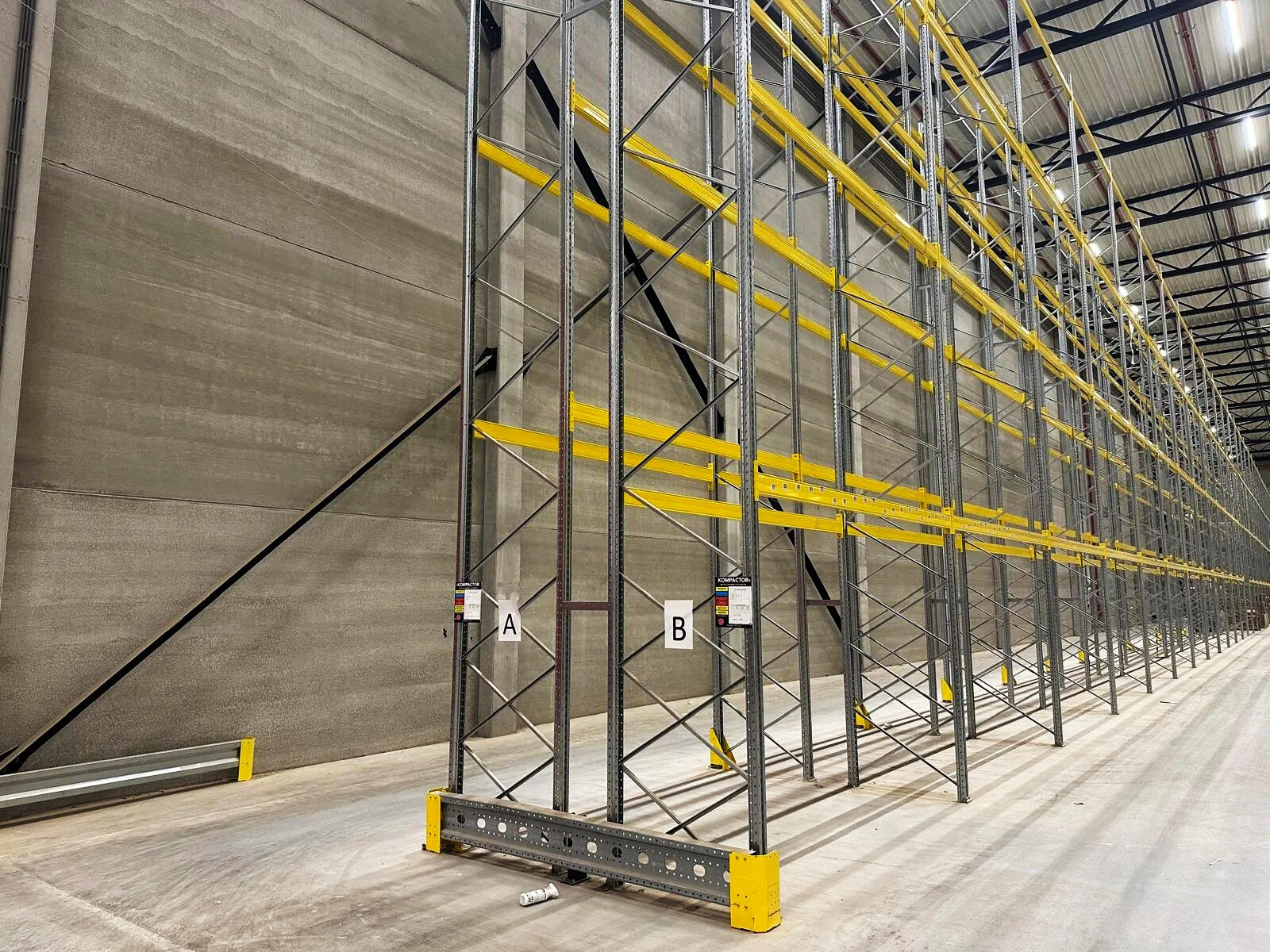
According to Van Oossanen, the rise of robotics makes floor quality even more important. “After all, a small deviation at floor level can become many times larger high up in a high-reach forklift. That precision is essential, especially for automated warehouses.” New grinding machines make it possible to precisely correct existing floors to a high planometric standard. “It’s a matter of loading the flatness report into the machine, after which the machine grinds the floor autonomously. It’s also possible to guide our grinding machine solely through the aisles between the racks, so a warehouse doesn’t necessarily have to be completely cleared out.”
After sanding, Van Oossanen recommends applying a lithium-based BECOSAN treatment to the floor. “It reacts with the free lime in the concrete and hardens the surface. The treatment can be applied to both new and existing floors and also ensures a dust-free surface.”
Finally, what’s the most important piece of advice? “Don’t wait until the floor becomes a problem,” says Van Oossanen. “Anyone investing in automation and robotics must also have the basics in order. Regular inspections and timely repairs can prevent minor damage to the floor from escalating into costly problems.” The logistics revolution may revolve around robotics and data, but ultimately, it all starts at floor level.