warehouselogistiek.eu
EN

The platform for internal & external logistics, supply chain and automation
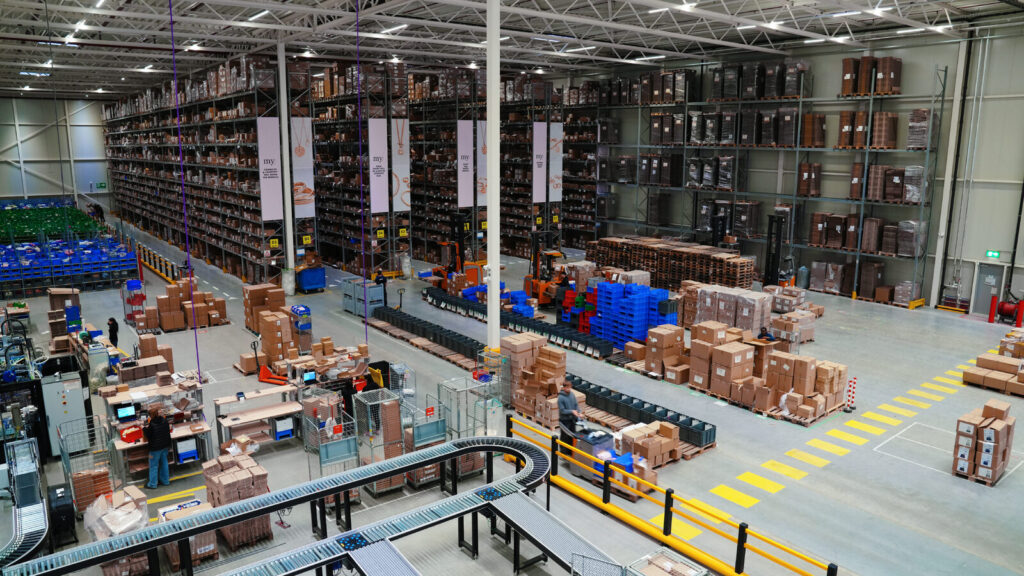
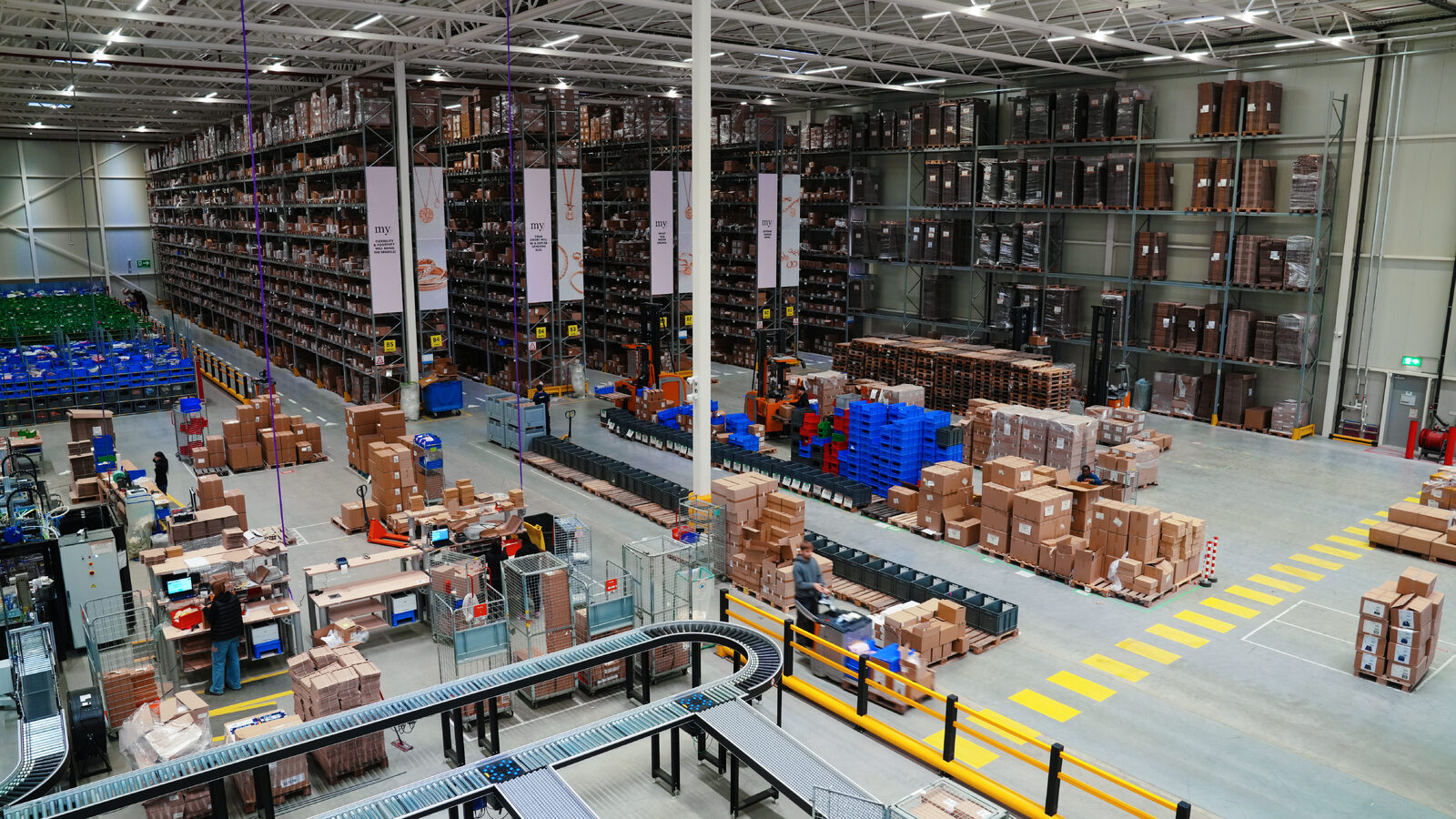
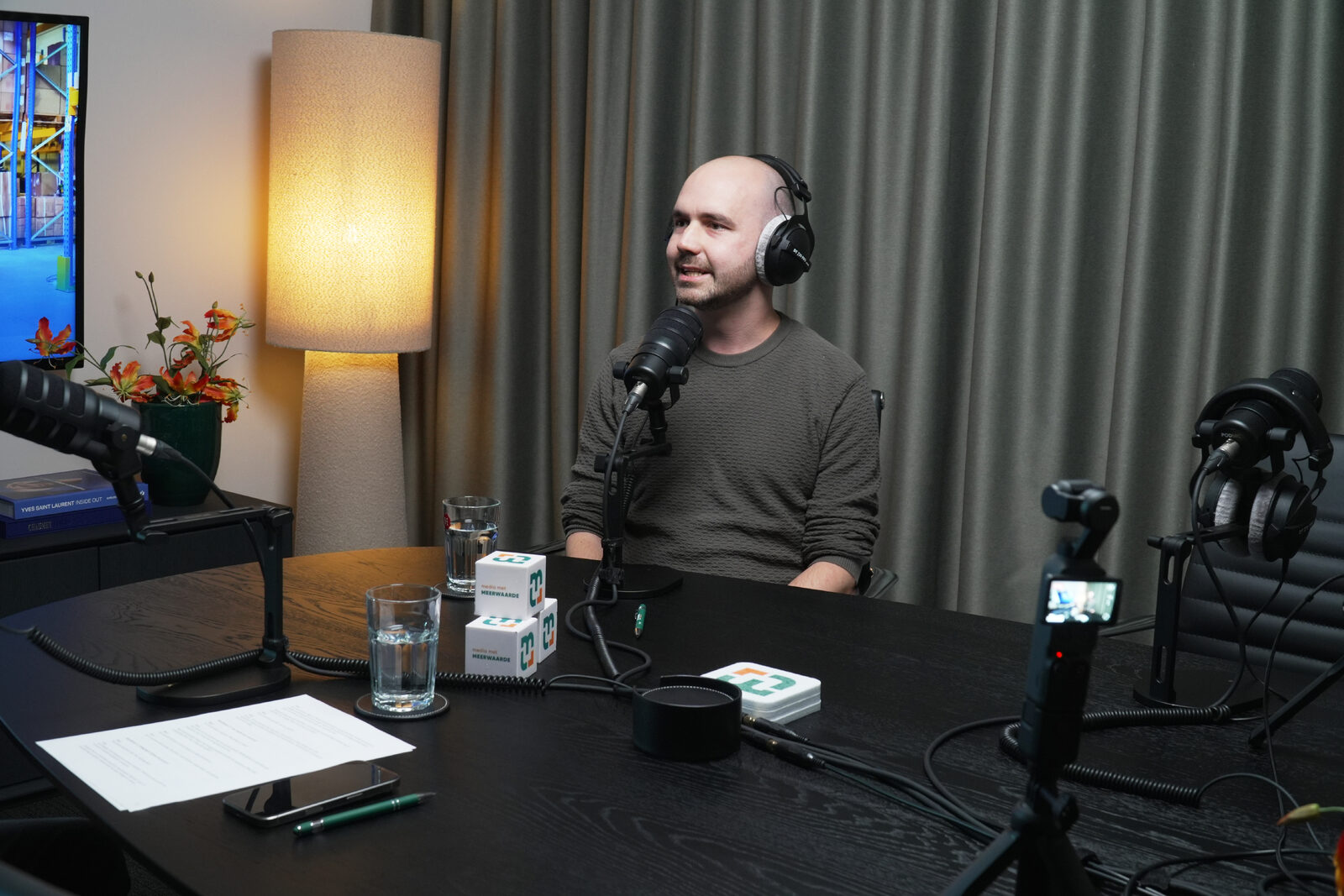
Are you designing a new warehouse or automating an existing logistics operation? If so, it’s very tempting to focus immediately on technology, racking systems, and robots. However, according to Étienne Teunissen of Groenewout Consultants and Engineers, a successful automation project starts with data, a solid design, and—above all—the question of what an organization will need in the coming years.
Ideally, warehouse design starts from the inside out, Teunissen explains. “First, we map out what a company does today and where it wants to grow. Inventory, replenishments, order lines, and storage capacity form the basis for this. Sometimes that information comes from a single Excel file; other times, it comes from dozens of files that together form a detailed model. If less data is available, interviews and a tour of the work floor still provide insight into current operations.”
According to Teunissen, the motto is: don’t start building right away—compare options first. “That’s the key,” he emphasizes. “A feasibility study compares different scenarios side by side: from fully manual to highly automated. For each scenario, factors such as staffing requirements, space utilization, growth potential, and flexibility are examined. Qualitative aspects like sustainability and quality also play a role. The various options are then discussed with the client in workshops.”
Such a feasibility study takes an average of twelve to sixteen weeks. “Around weeks eight through twelve, a preferred concept is selected, after which it is further developed. The result is not yet a detailed design, but it does provide a clear picture of the future logistics layout and an initial site plan.”
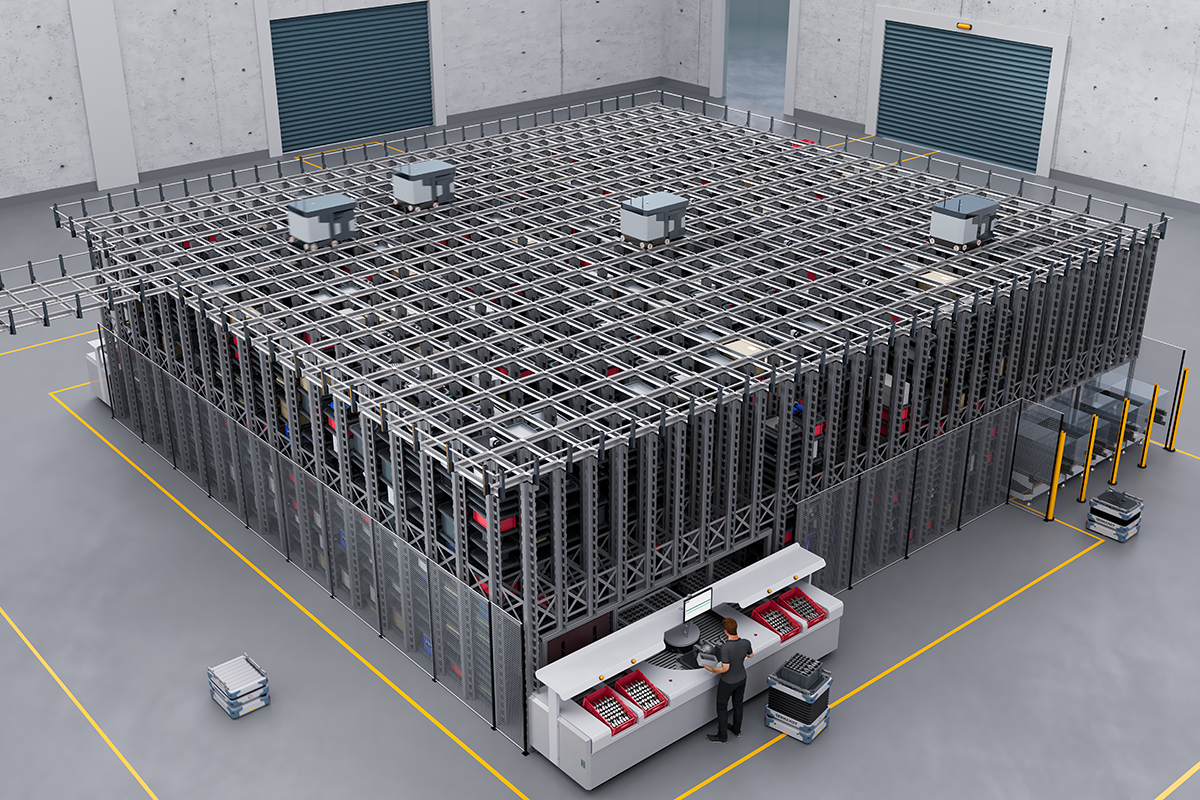
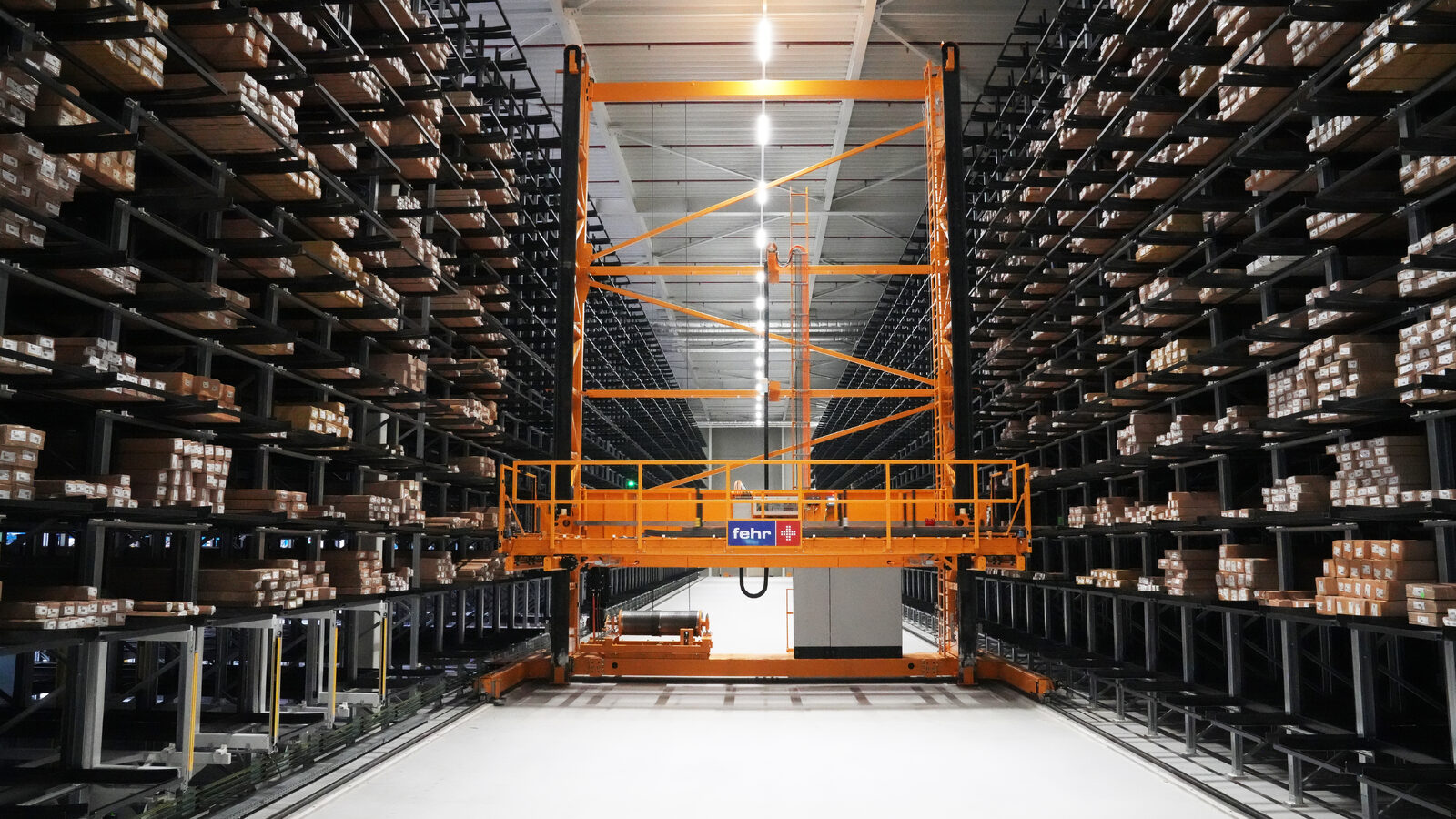
Next comes the in-depth phase: storage locations are further detailed, material flows are analyzed, and a statement of requirements is drawn up. “Suppliers can then be selected. In this process, the client can specify exactly what they need, but the program of requirements can also deliberately leave room for suppliers” expertise and creativity,“ notes Teunissen. It is striking that automation has now become virtually a standard part of the decision-making process. ”Not only because of the payback period, but also due to labor shortages and the desire to improve quality. Flexibility is also becoming increasingly important. AMR solutions, for example, make it possible to increase the level of automation gradually, rather than implementing full capacity right away.”
Still, not everything needs to be automated. “Product characteristics, volumes, and the complexity of the operation determine what makes sense,” Teunissen acknowledges. “Sometimes, an optimized manual process is simply the best solution. Ultimately, technology is just a tool. A successful implementation stands or falls with the people who have to work with it. That’s why we always involve the operations team in testing, commissioning, and training. Employees become familiar with the new way of working and can provide valuable input based on their practical experience.”
And when is a project considered a success? “Not on the day the system goes live. Only once the system has been running for some time, the dust has settled, and it has been optimized where necessary—that’s when you’ll reap the benefits of automation. So if you want to build a future-proof warehouse, don’t start with the robot—start with the right question.”
Neem dan rechtstreeks contact op met Groenewout B.V.
 Contact opnemen
Groenewout is a consulting firm specializing in supply chain management, logistics, construction and project management, and engineering. We advise organizations on how to optimize their supply chains and offer an integrated, comprehensive solution for your logistics challenges. Reducing costs and improving your organization’s service levels are key priorities for our logistics consulting firm. […]
Bekijk Bedrijfsprofiel