warehouselogistiek.eu
EN

The platform for internal & external logistics, supply chain and automation
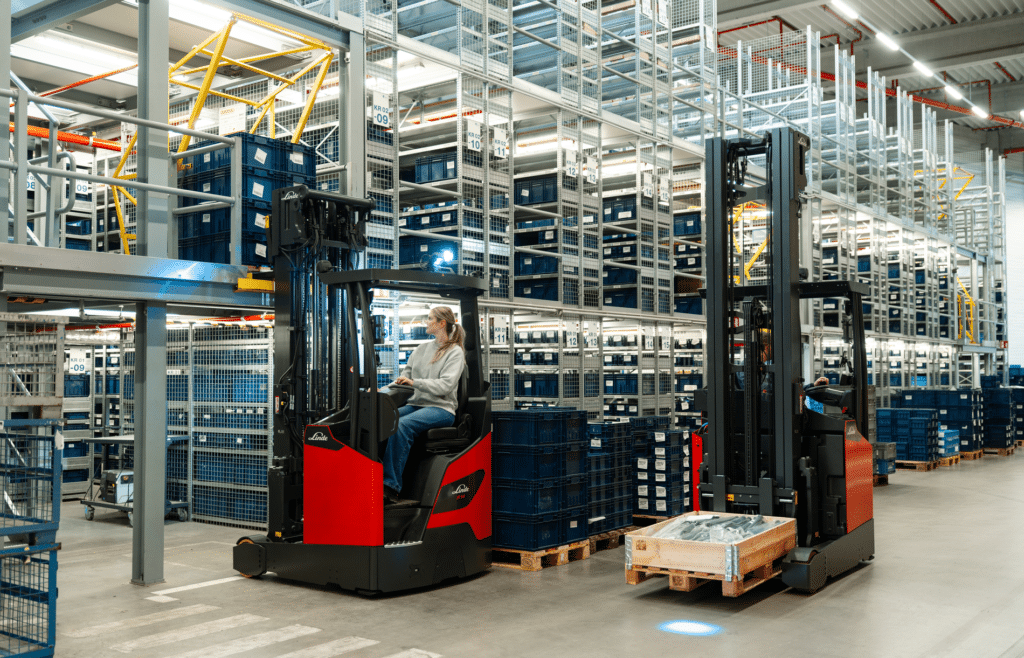
On to ‘zero incidents’
A belt cut, a taped-off bluespot or a roll of tape under the emergency stop. These are practical examples that show how quickly safety in logistics environments comes under pressure when routines, work pressure and habituation take over. Also, these examples highlight how important proper BMWT inspection is. The BMWT-trained mechanics of Motrac recognize these signals immediately and ensure that machines can be used safely and reliably again. And with these kinds of observations the conversation about safe working starts right away. Because inspection alone is not enough: “Preventing incidents also requires insight into behavior, targeted training and technology that makes risks visible and helps reduce them,” say Mike Degeling (key account manager service) and Michael van Es (operational manager service) of Motrac. “And sometimes just showing the mechanics how expensive their ‘EffeLekkerDoorDeBocht.nl’ on Friday afternoon has been.”
BMWT, the trade association of importers and manufacturers of work equipment, stands for ‘Working safely with safe and sustainable machines’ and wants to support the sector in this. The ambition is to help companies reach a situation where there are zero accidents. Bart van Ommeren, program manager Safety and Workmanship at BMWT, explains: “To start with, the machine must of course be technically safe. In other words, it must comply with the machinery directives determined according to European standards. In addition, periodic maintenance and periodic inspections are important. BMWT-Keur helps ensure this safety. In addition, the person operating the machine must be sufficiently skilled. He must have had education, training and instruction. BMWT-Train is the quality mark for reliable operation training of work equipment.”
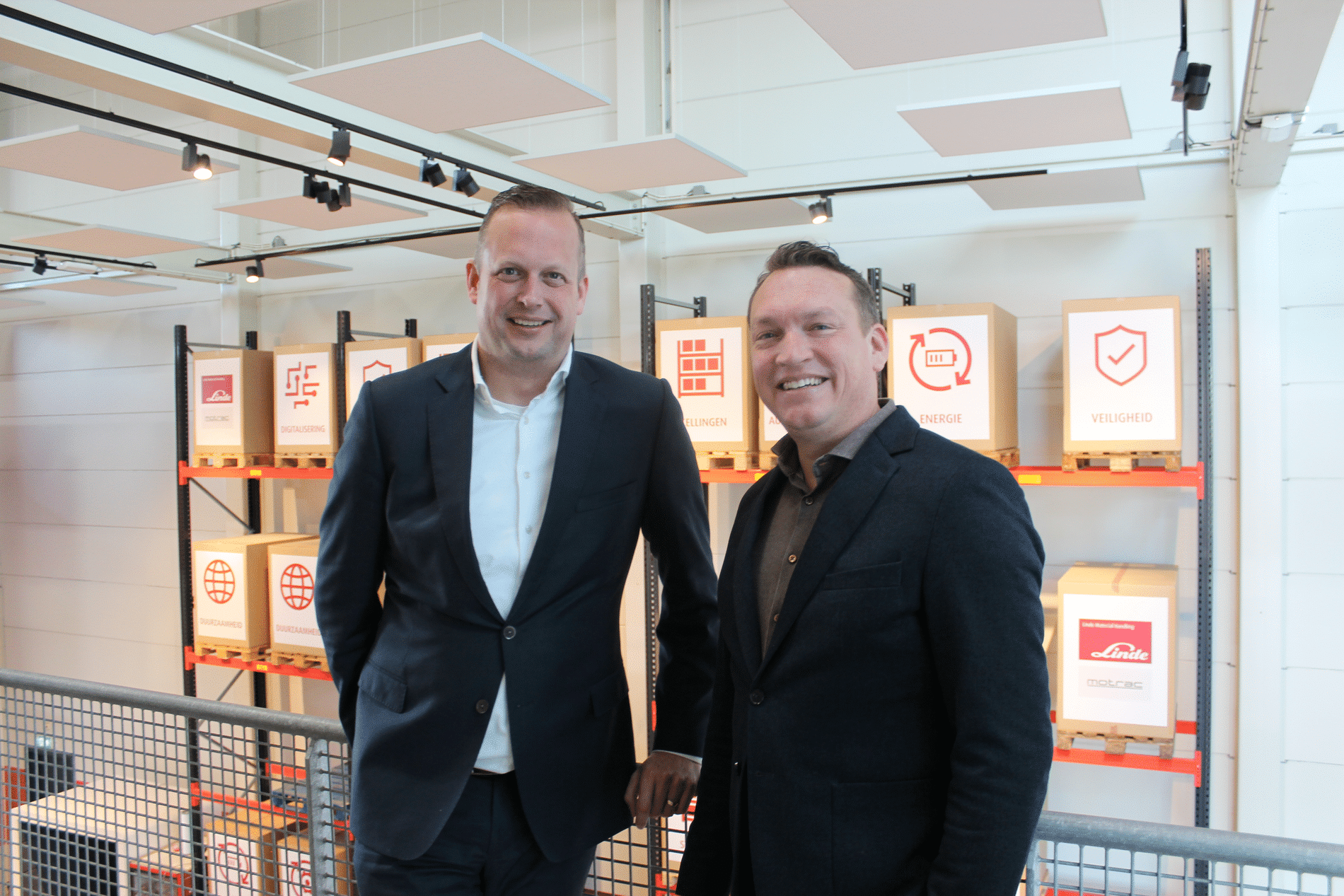
Motrac's mechanics inspect more than ten thousand lift and warehouse trucks annually according to BMWT guidelines. Van Es: “Safety systems are very often considered a ‘hassle’ by users, leading to things like a cut seatbelt. Drivers then don't realize that those safety systems are basically there for themselves.” According to him, experience and time pressure play a big role in this. “I often notice that experienced people think: that function has never been on it, so there's no need to do that now. In addition, the high work pressure makes drivers want to work as fast as possible and hope to save time using a seat belt.”
Fifty to sixty percent of accidents are caused by unsafe behavior. Degeling: “I hold quarterly meetings with our clients, during which we also discuss which unsafe situations have occurred in the past three months. To change behavior, in consultation with the customer, we go out on the floor and explain to the forklift drivers what the cost of the damage was. When the driver hears that his collision has cost almost forty thousand euros, he usually realizes that that ‘EffeLekkerDoorDeBocht.nl’ was quite an expensive joke. On the shop floor, that often makes more of an impression than general accident figures.”
Since safety is strongly related to safe behavior, Motrac also provides BMWT-certified forklift training. The BMWT-Train certificate meets certain requirements of the Dutch Occupational Health and Safety legislation on the operation of machines.
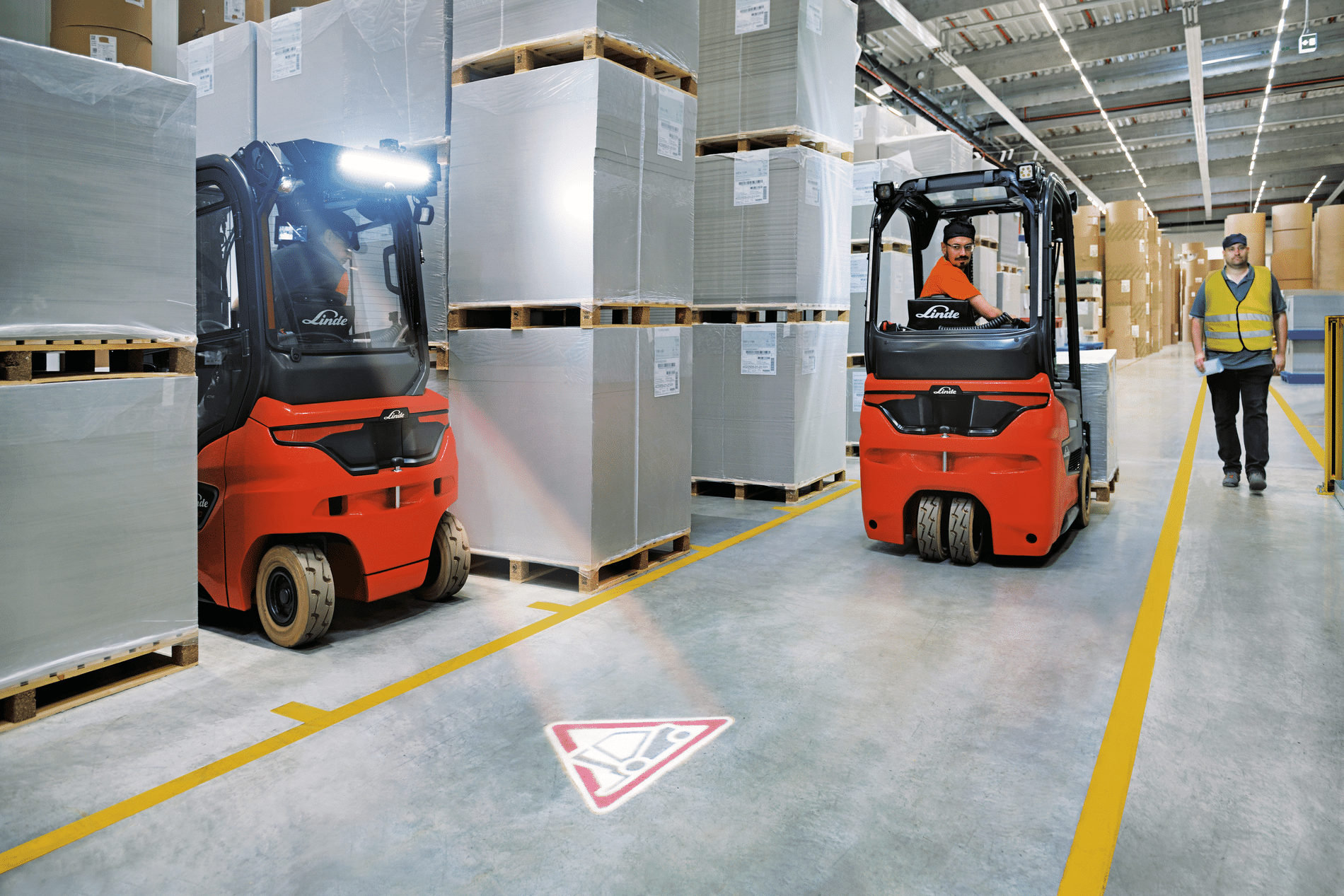
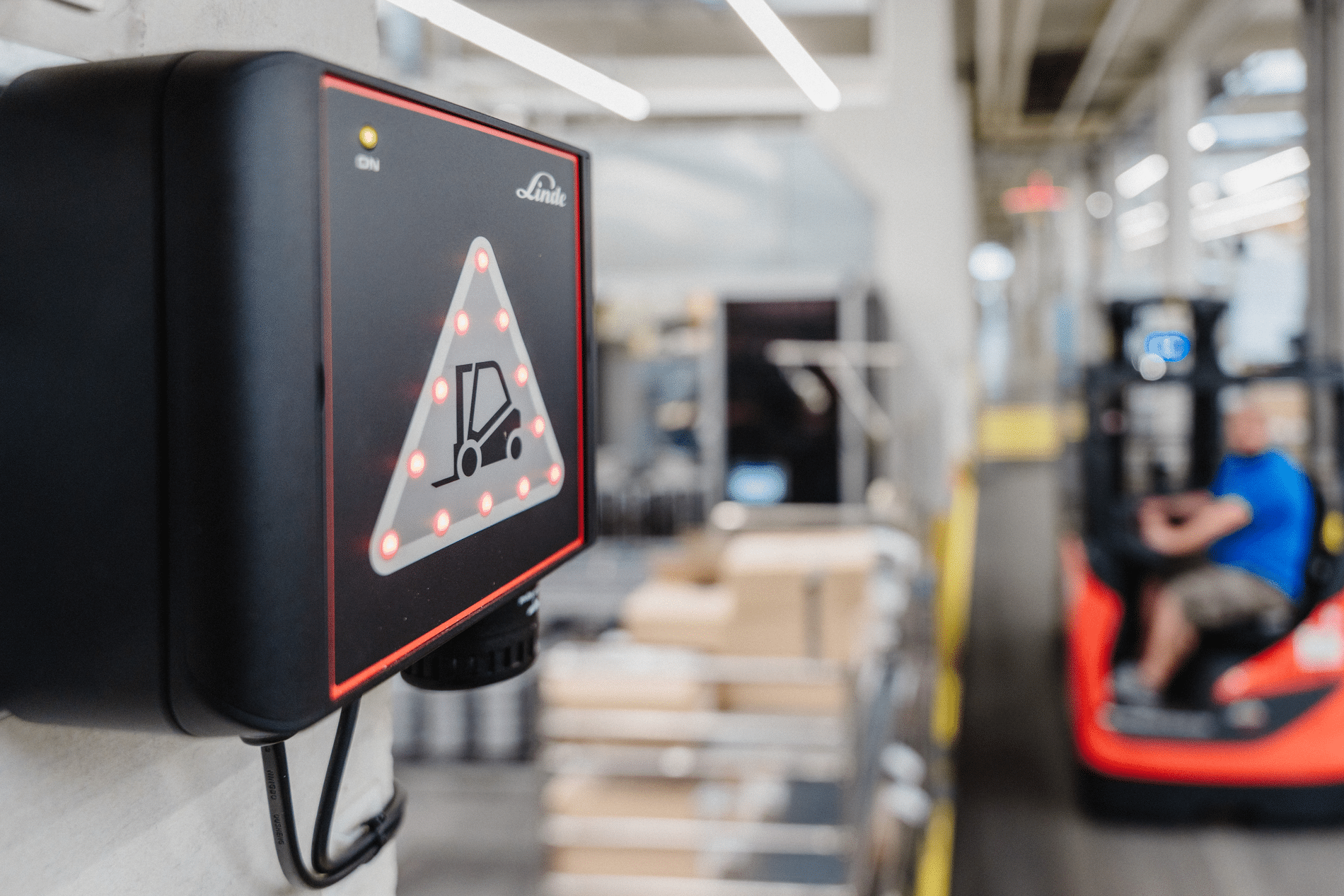
The gentlemen both agree that data form an important basis for everything you can do in the field of safety. Degeling: “In this way, near misses, hotspots and recurring incidents can be made visible and a clear picture of high-risk locations and patterns emerges. We then show what the best solution can be for these aspects. That could be, for example, the application of a speed reduction or the implementation of the Linde Safety Guard system. The unit installed in the truck alerts the driver in the case of the latter and can even intervene if necessary.”
Van Es concludes, “What we additionally experience is that forklift drivers do not always feel free to report the damage to their manager. That's an additional reason to work with technology like Linde Safety Guard.”