warehouselogistiek.eu
EN

The platform for internal & external logistics, supply chain and automation
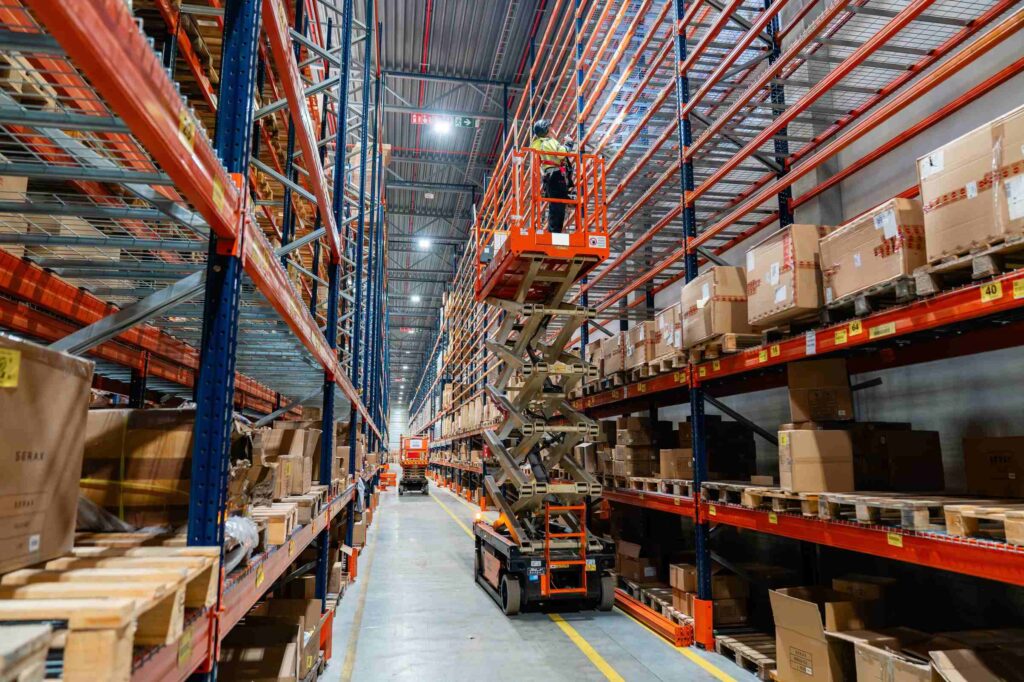
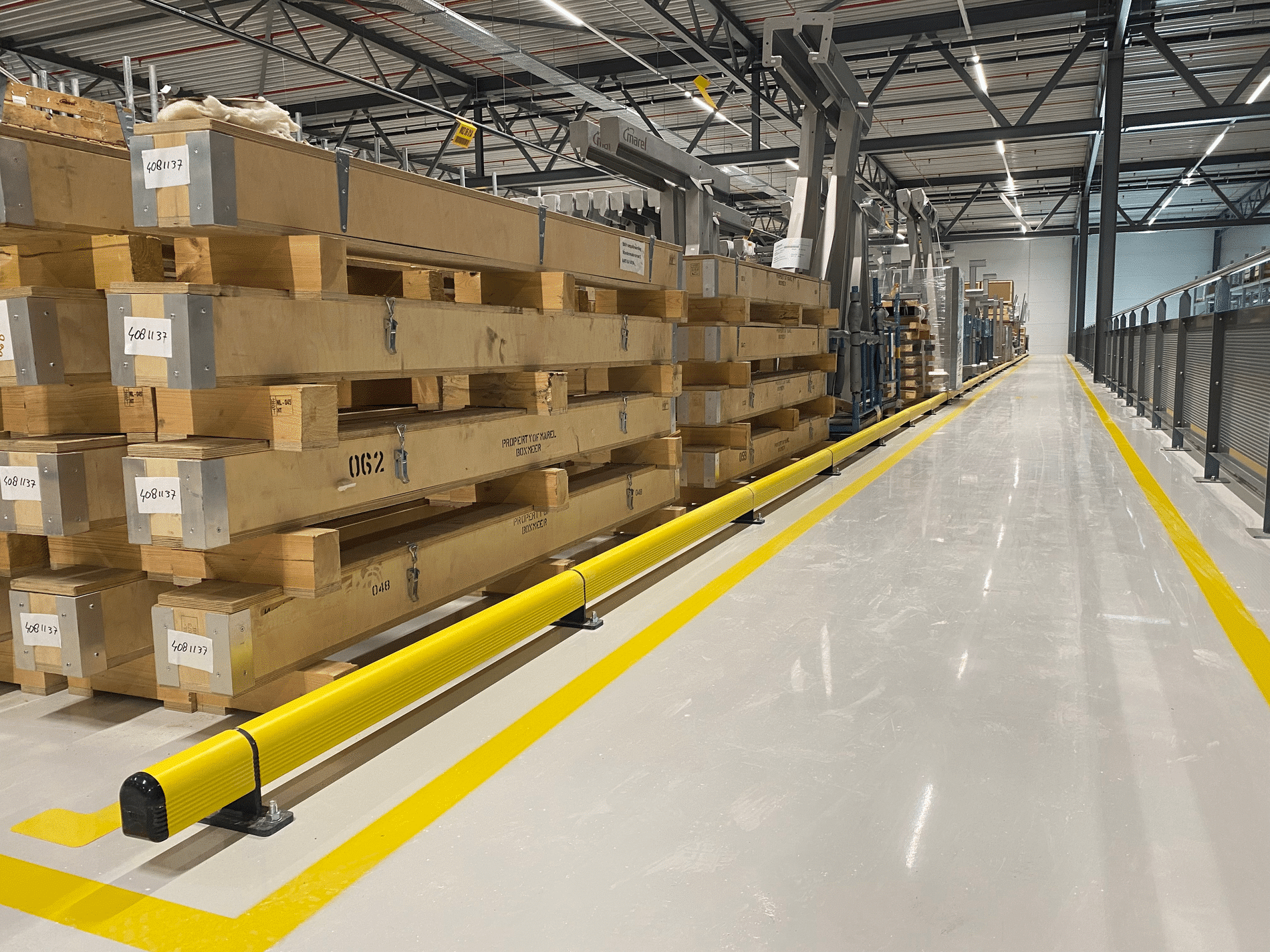
A safe warehouse begins with reliable installations. Yet in practice, it appears that not every company gives sufficient thought to the risks of damaged or improperly assembled racking. “Prevention is better than cure. That motto is not an empty slogan with us,” emphasizes Réginald Hardy, managing director of SESS Europe. The company has specialized in independent safety inspections of warehouse racking since 1987 and operates in several European countries, including Belgium, the Netherlands, Luxembourg and France.
The inspectors of SESS Europe - in full Storage Equipment Safety Service Europe - are on the road every day. They inspect both small storage systems and large warehouse installations. “We are completely brand-independent,” explains Reginald Hardy. “That means we inspect all types and brands of racking, from classic pallet racks to mezzanines and custom structures. That broad expertise makes us unique.”
Although there is no specific legal obligation to have warehouse racking inspected, Belgian legislation considers racking to be work equipment. That means they must comply with the safety regulations of the Welzijnscodex. This obliges employers to have all work equipment regularly inspected and kept in safe condition. Periodic inspection of scaffolding therefore fits directly within this legal duty of care.
“A periodic inspection is an investment in continuity,” Hardy says. “Unsafe situations lead not only to damage or accidents, but also to loss of reputation and production. You definitely want to avoid that.”
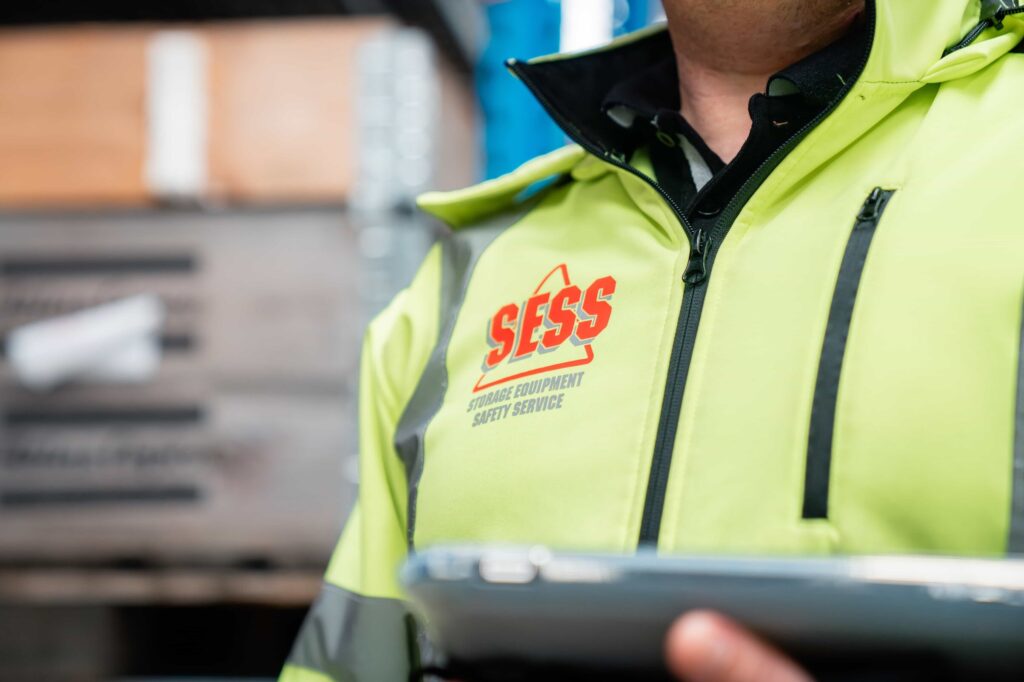
SESS Europe carries out inspections according to European standard EN 15635:2008 and works in line with FEM and SEMA guidelines, which set out European best practices for safe warehouse design and maintenance. All inspectors use digital tools such as tablets, which they use to report quickly and accurately.
“Our inspections are done on a planned basis,” explains SESS Europe's top executive. “Most customers opt for an annual inspection, but some also have quarterly inspections performed. They do this not only because their racks are used intensively, but also because they want to maintain a higher and more constant level of safety.”
“In a pre-commissioning inspection, we check, among other things, whether the installation was installed according to the manufacturer's instructions, whether the load capacity is correct with reality and whether the necessary protection is in place. At periodic inspections, we then look again for wear and tear, collision damage or missing parts. And after a move or configuration adjustment, we always perform a new inspection, because then the previous inspection report is no longer valid.”
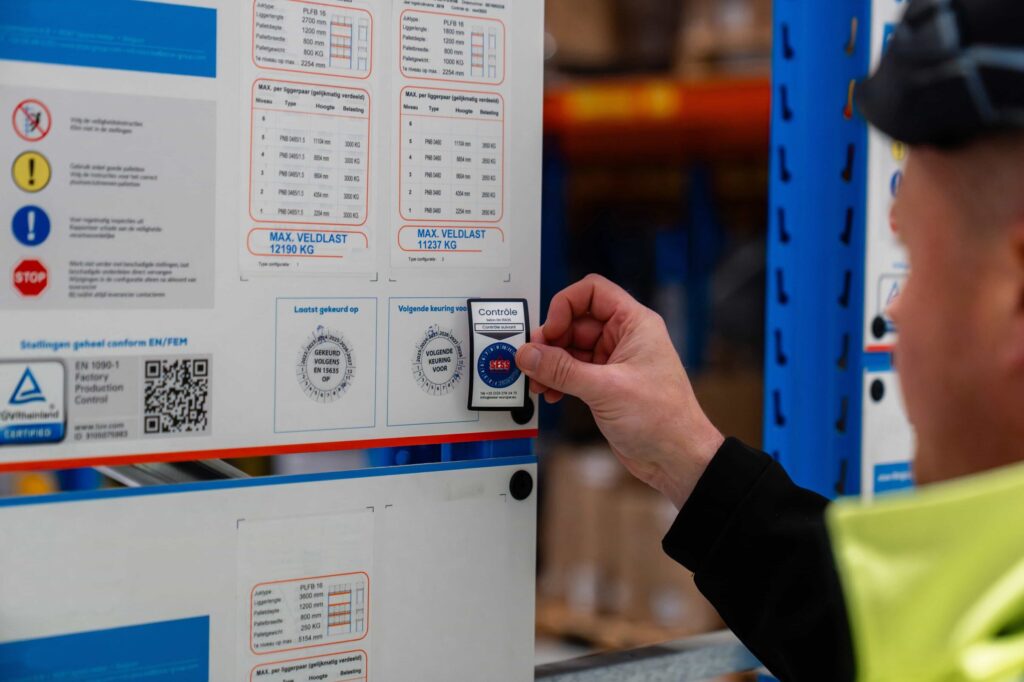
After each inspection, the client receives a comprehensive report listing any defects. The findings are classified according to a three-color system. Reginald Hardy explains, “A red code means that the rack in question must be emptied immediately. Orange indicates a defect that must be repaired within a specified time. And green we use for minor damage that does not yet pose an acute risk but must be followed up. This transparency is crucial: our customers know exactly where they stand.”
During the inspection, work in the warehouse can continue as usual. “Our inspectors work independently,” says the managing director. “We only ask that someone show them where the installations are. We do the rest ourselves, discreetly and efficiently.”
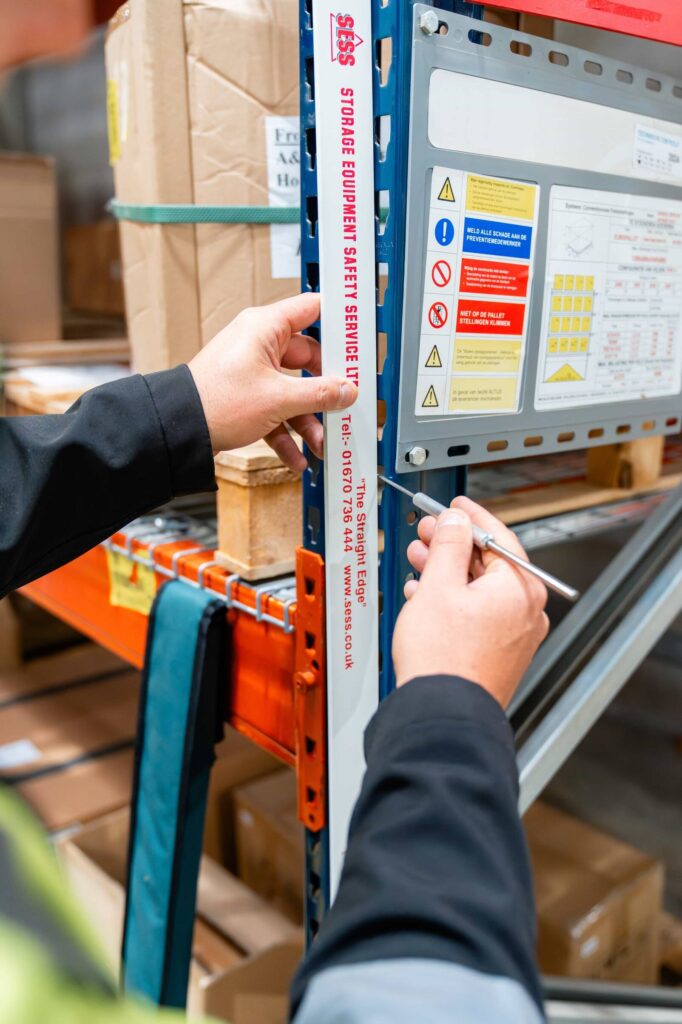
Most problems identified are related to collision damage from forklifts, overloading or outdated equipment. Reginald Hardy also sees a clear shift in the market: “We notice that warehouses in the Benelux and surrounding countries are also increasingly expanding their capacity in height. Due to rising land and building costs, lack of space and automation, high-rise buildings are gaining strong importance.”
“At the same time, we see that employees are not always adequately informed about proper loading and safety on higher racking. So training, follow-up and inspections go hand in hand. We believe that safety is not a one-time project, but a continuous process. Those who invest in inspection today are investing in their company's future.”
Neem dan rechtstreeks contact op met SESS Europe.
 Contact opnemen
Storage Equipment Safety Service Europe (SESS Europe) is an expert in independent safety inspections in Europe. SESS Europe is brand-independent and has the expertise and know-how to assess all types of racks, mezzanines and accessories for safety. This is how SESS Europe distinguishes itself in quality and service. What makes SESS Europe unique? A timely inspection is an investment [...]
Bekijk Bedrijfsprofiel