warehouselogistiek.eu
EN

The platform for internal & external logistics, supply chain and automation
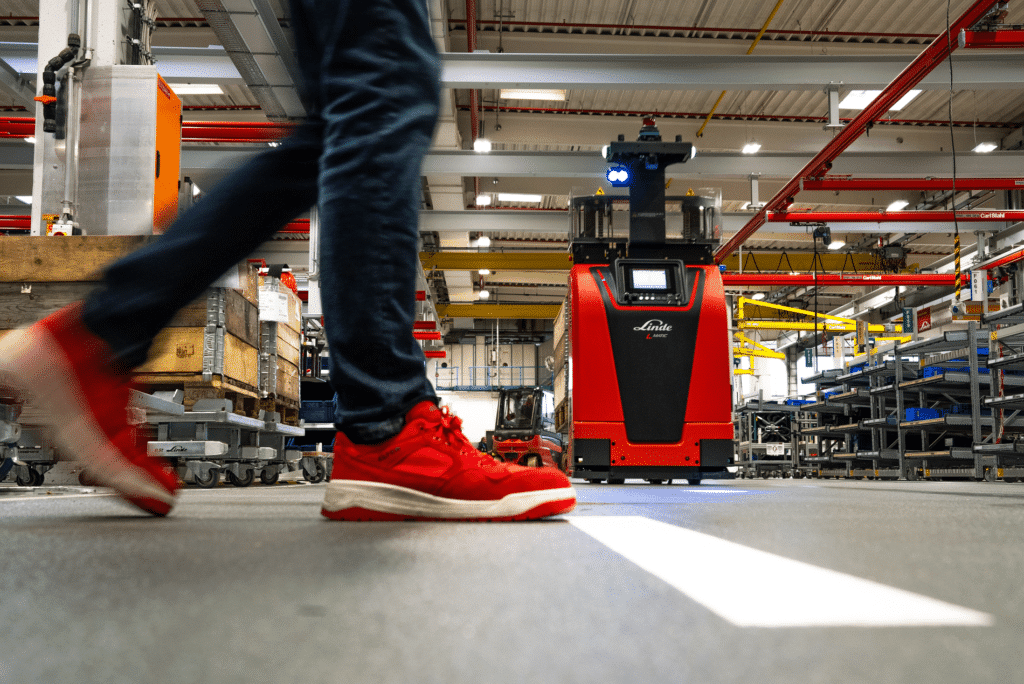
The pressure on warehouses to operate more efficiently, predictably and with fewer staff is rapidly increasing. At the same time, internal transport is often still the backbone of the operation and therefore the biggest risk if you intervene in it. According to Jon Koster, automation expert at Motrac, the key therefore lies not in one big automation leap, but in a step-by-step approach where people, process and technology work together.
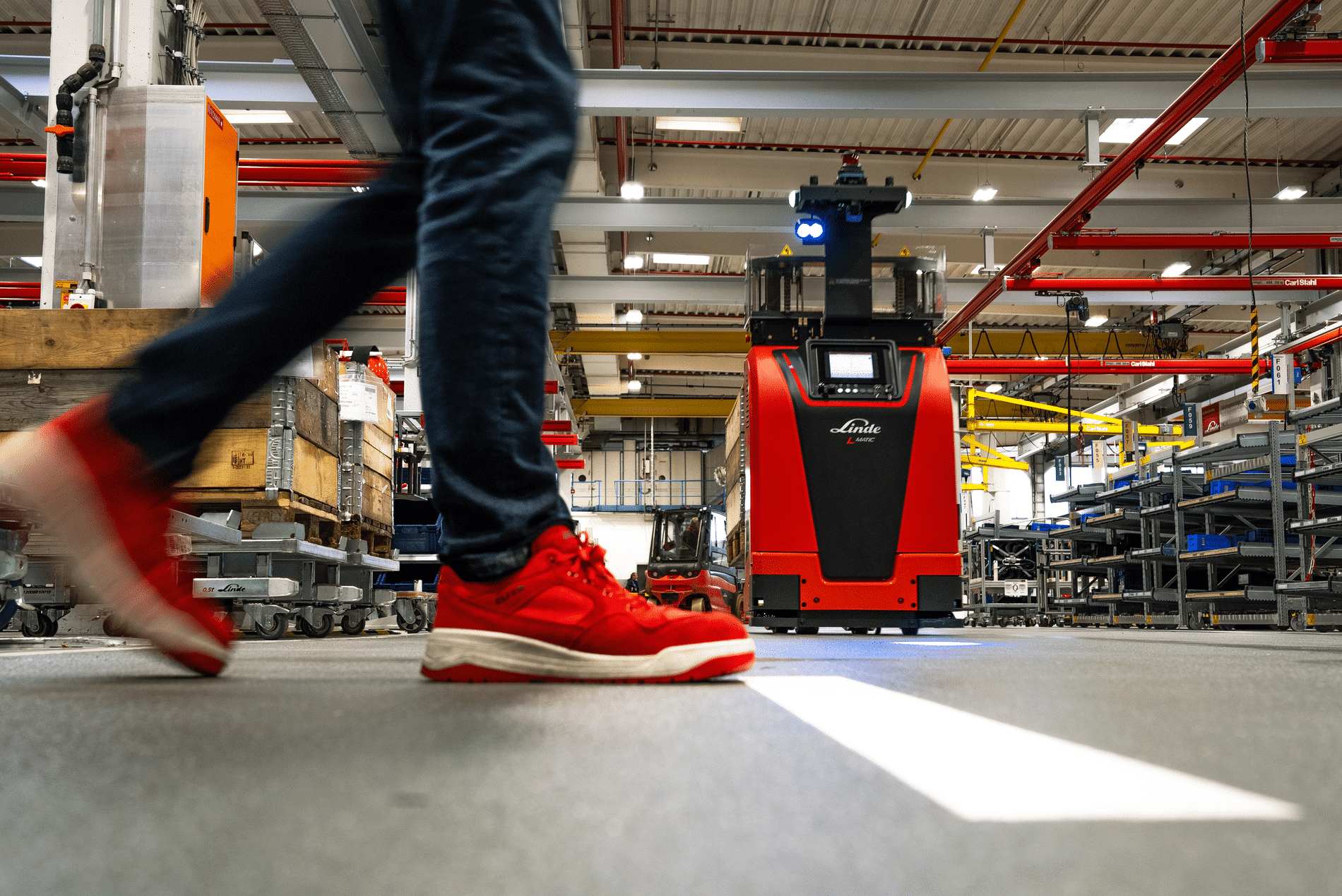
Automation of material handling is often associated with radical, costly projects. Yet more and more companies are choosing to start small. “Logistics is the backbone of a company. If it comes to a standstill because of the wrong choice of automation, it can have huge financial consequences,” says Koster. “That's why you see customers prefer to start with, say, three AGVs and only expand when they have confidence in the solution.”
This phased approach not only lowers the risks, but also makes it possible to optimize processes along the way. Motrac thereby works from a modular and largely standardized portfolio. Instead of developing everything from scratch, it starts with a standard solution that can later be expanded with additional functionality and software modules; up to and including complete warehouse management systems.
“You can start small and let the system grow with the operation,” Koster said. “That gives organizations room to learn and improve without upending their entire logistics backbone all at once.”
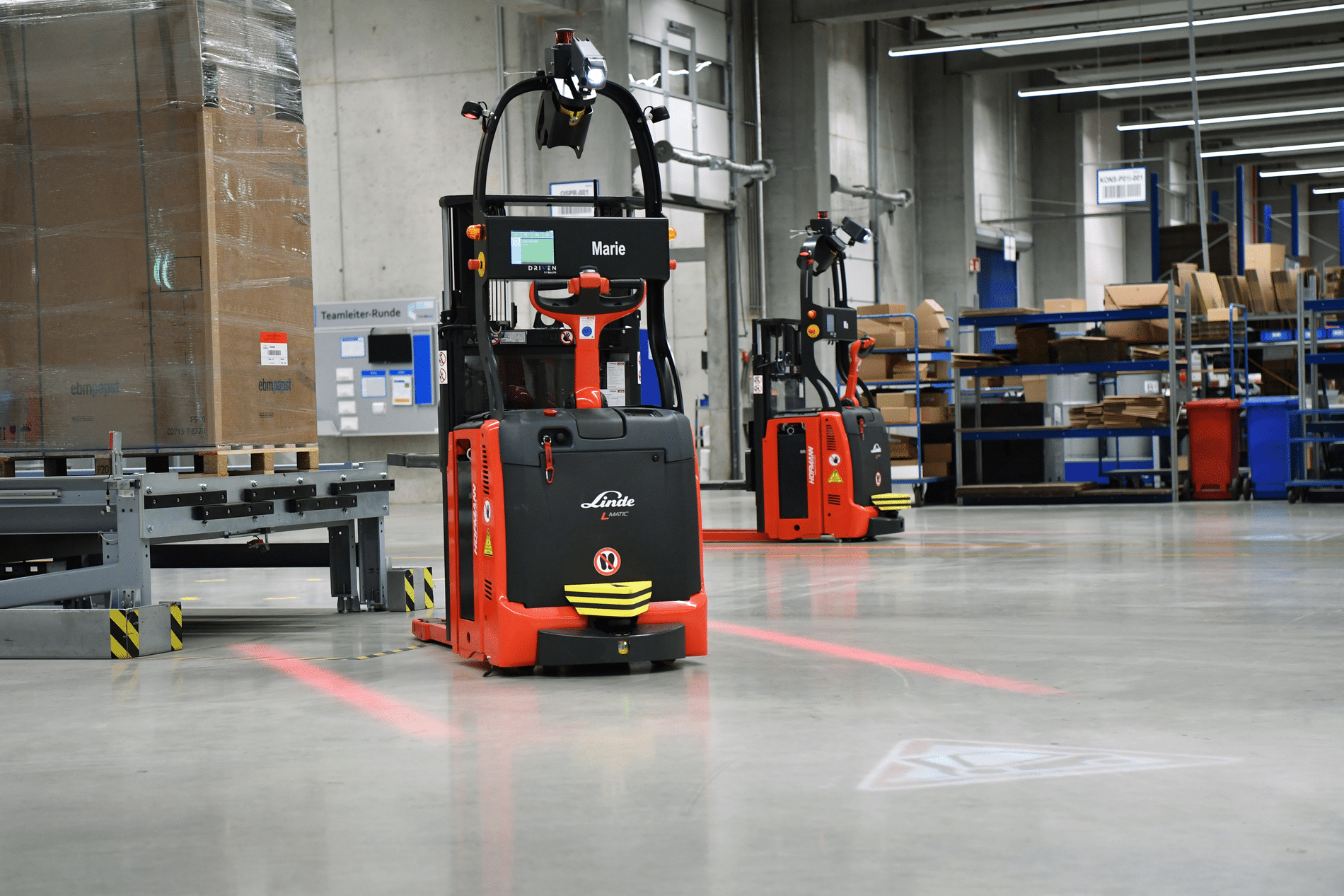
Although automation is rapidly gaining ground, the forklift operator will not disappear completely. According to Koster, the added value of automation is mainly in repetitive and predictable movements. “If you are dealing with uniform pallets and always the same transport movement, a human driver adds no extra value. Those are processes you can automate well,” he says.
The situation is different with difficult loads. “An experienced driver can use his eyes and feel to correct or precisely position a difficult load. For now, that remains human work.”
So the trick is to automate the right process. To do this, Motrac looks at internal logistics with customers and identifies the ‘low-hanging fruit’ processes: repetitive transports that are easy to standardize. “Take out the walking and driving meters where there is no added value. That's where the profit is.”
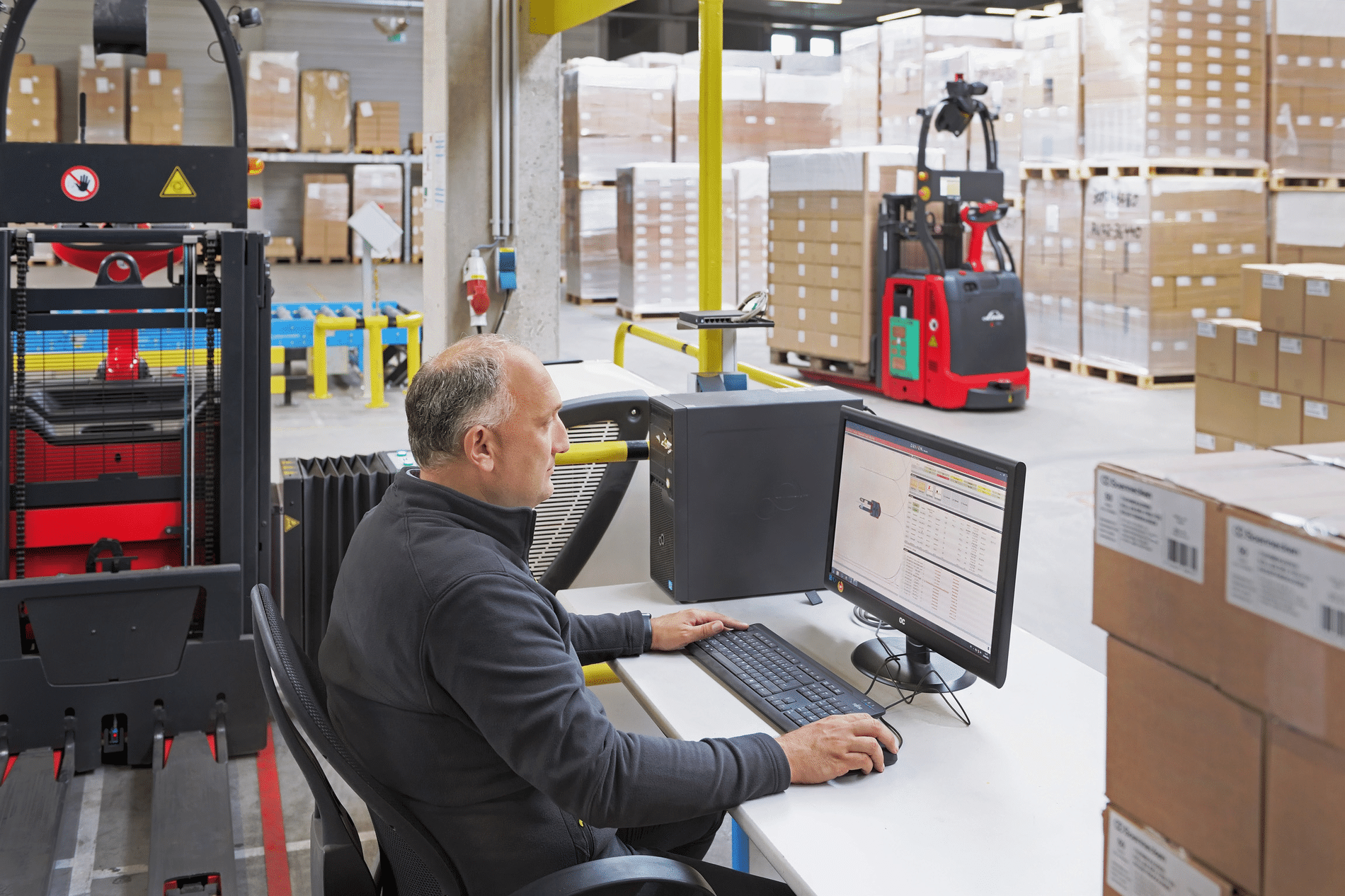
Implementing technology is one thing, working with it is another. Automation, according to Koster, requires a clear transition on the shop floor. Employees on the shop floor must learn to cooperate with robots.
“It doesn't give you an employee, it gives you a solution,” he says. “That means people learn how to work with an AGV. They know what the system does and how to make sure it can work optimally.”
In practice, that means training, guidance and, above all, showing the benefits. When operators notice that repetitive work is done automatically, they can focus on higher-value-added tasks. “When they see that it makes their work easier and more interesting, acceptance naturally develops,” Koster said.
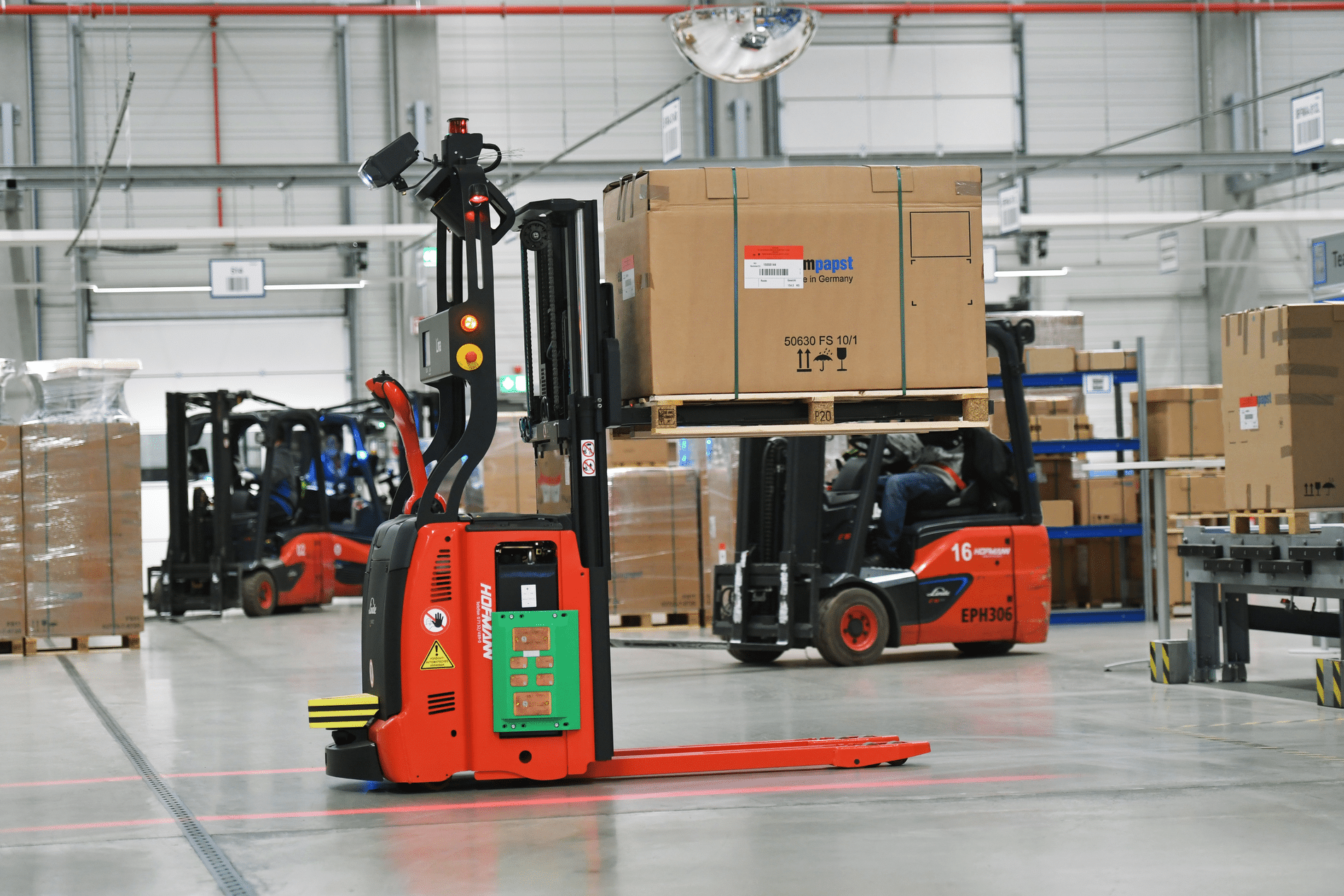
Automation is changing the role of partners in internal transport. Whereas Motrac has long supported organizations in setting up, improving and keeping their internal logistics running, the focus is now increasingly shifting to project-based automation. With software, data and process insight as fixed parts of the solution
Once an automation solution is chosen, the next phase begins,” says Koster. “The system is tailored to the situation, the software set up and the environment prepared. This requires additional knowledge and cooperation.
Software is playing an increasingly important role in this, including in traditional trucks. Mechanics are developing into technicians who read out error codes, configure systems and analyze data. At the same time, the project-based approach provides better insight into the customer's processes. “We follow the product and the data through the warehouse. That helps us understand that customer's operation well and further optimize the system within that environment.”
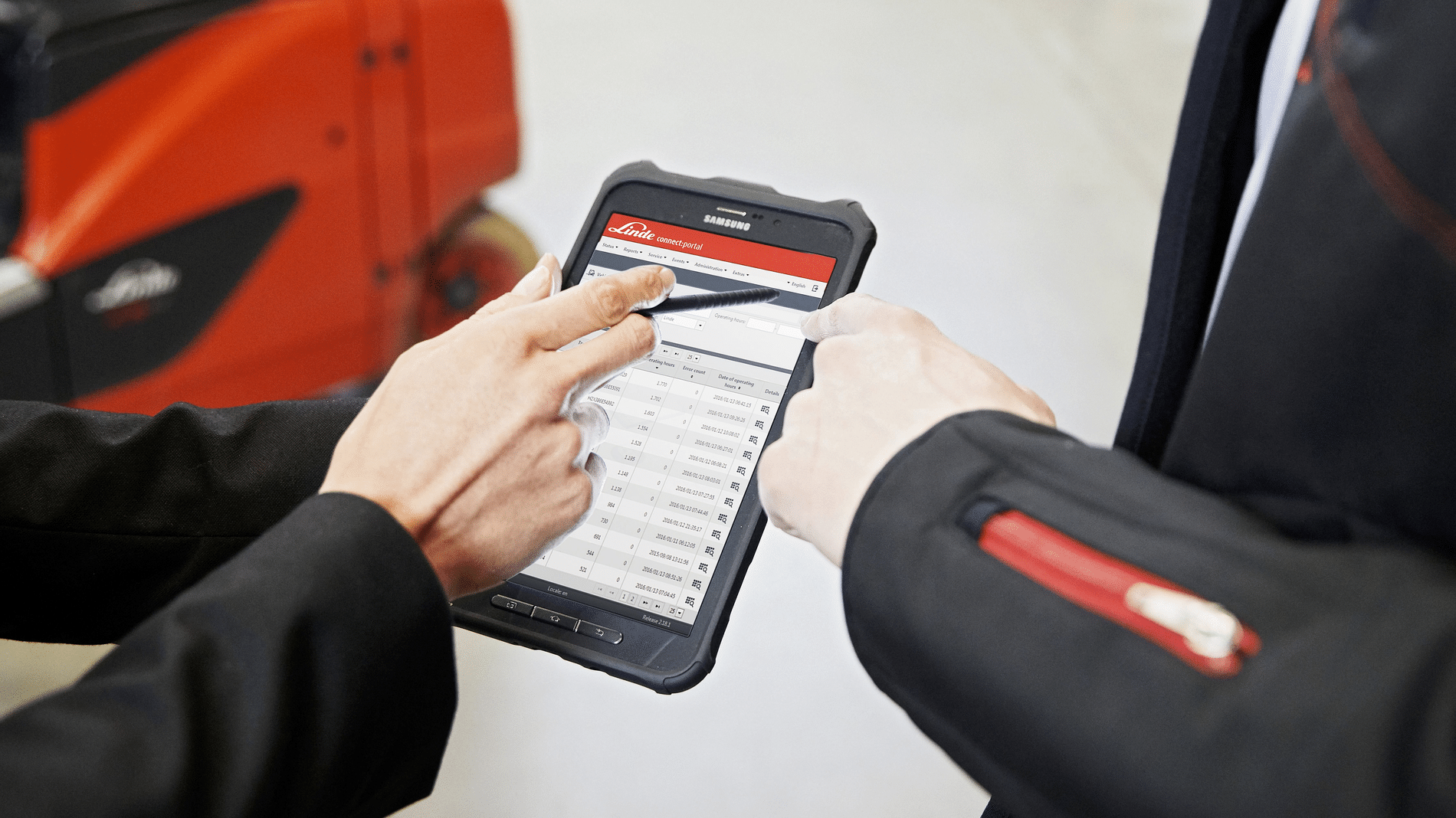
The automation of material handling in warehouses is thus increasingly developing into a growth path rather than a one-time project. Companies start with a pilot, learn from practice and then expand. This makes automation more accessible and less risky, while paving the way for a future in which man and machine work ever more closely together.
“Automation is not all or nothing,” concludes Koster. “Automating the right processes step by step creates peace and predictability in the operation. The organization grows with it, allowing technology to add lasting value.”
Neem dan rechtstreeks contact op met Motrac Internal Transport.
 Contact opnemen
Motrac was founded in 1954 and has been a leading total provider of internal logistics solutions ever since. We sell, rent and lease lift and warehouse trucks of the innovative Linde brand. We advise and provide engineering for automated warehouse trucks and a 24/7 maintenance service. With this we offer a one-stop-shop offering in logistics solutions combined with a high level of service. With branches [...]
Bekijk Bedrijfsprofiel