warehouselogistiek.eu
EN

The platform for internal & external logistics, supply chain and automation
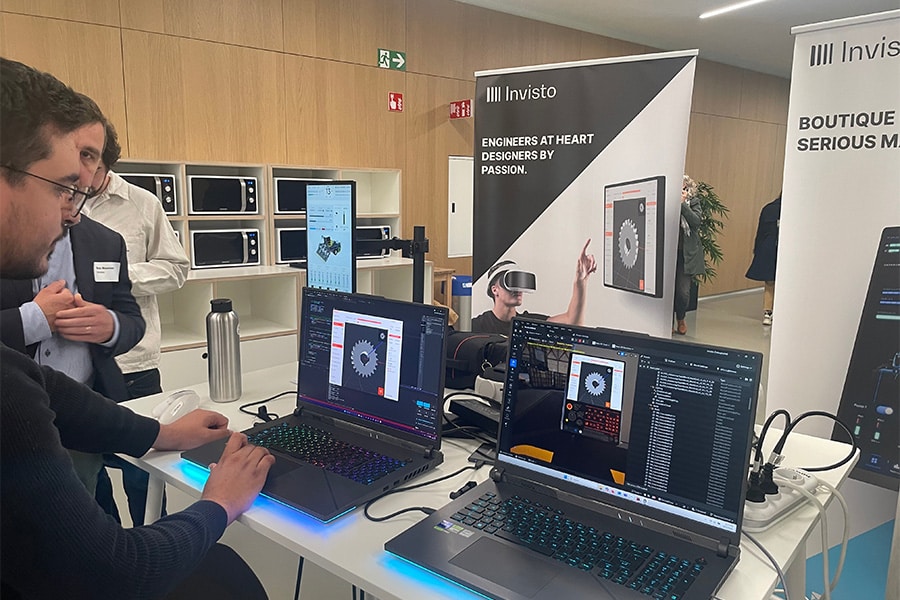
On April 25, the first TETRA VE∞X (Virtual Engineering and eXperience) Discussion Forum took place in Kortrijk, Belgium. About fifty production profiles, technology suppliers and researchers from the manufacturing industry discussed the challenges and opportunities of digital twins for optimizing production and logistics processes. Expert presentations alternated with practical business cases and interactive [...]
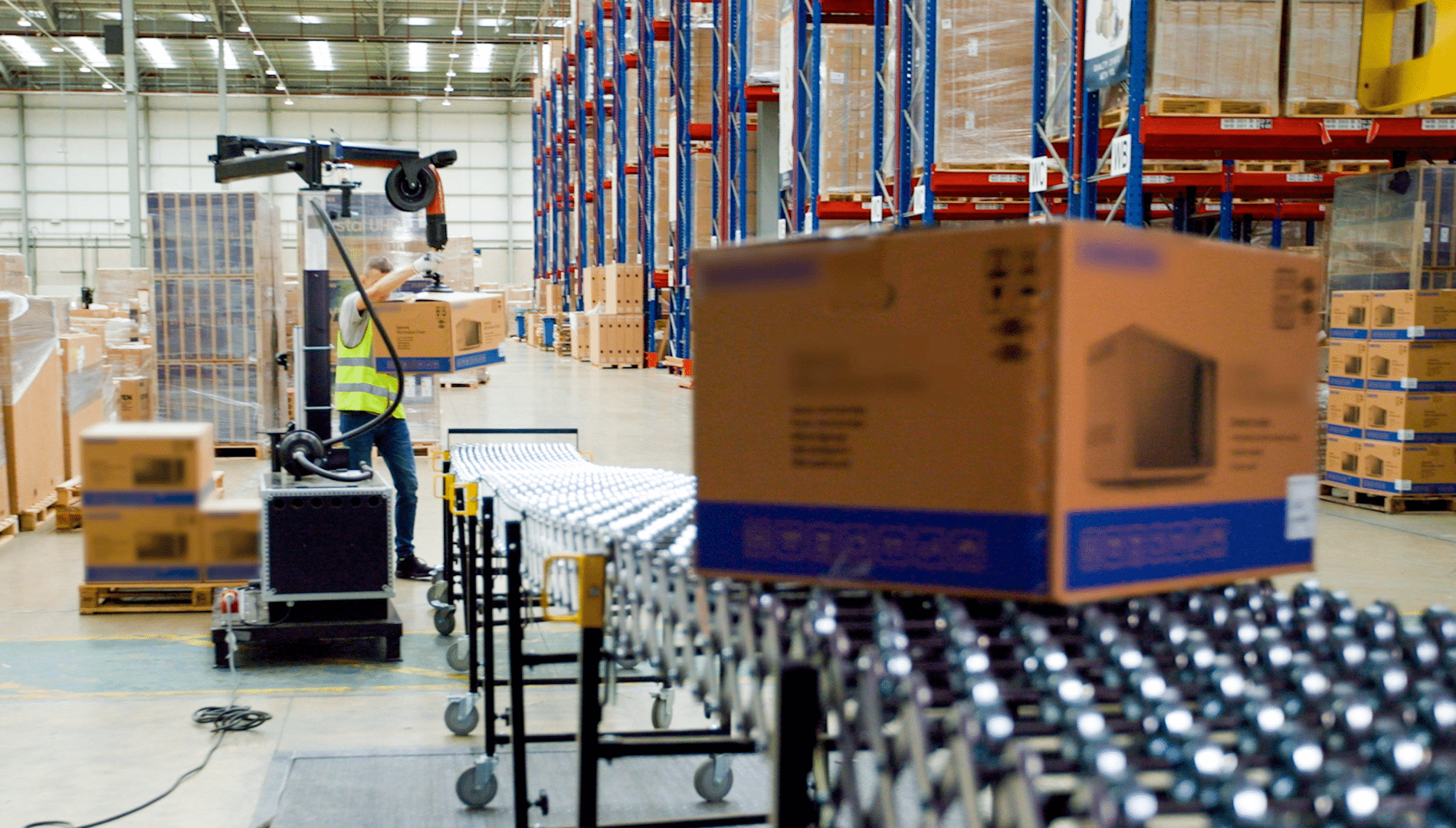
Robots, AGVs, and automated sorting systems are rapidly transforming warehouses. Yet, a great deal of manual labor still exists on the periphery of the process. Non-standard packages, varying batches, full trailers, and limited workspaces do not always fit within a single automated line. According to Christian de Kleuver, branch manager at Erkon Lifting Aids, this presents a significant opportunity. "Where manual labor remains necessary, ergonomic lifting aids can alleviate physical strain and help employees work safely, efficiently, and sustainably. After all, lower back pain costs the Netherlands 4.4 billion euros per year. Moreover, employers and employees are legally obligated to minimize that risk," he states.
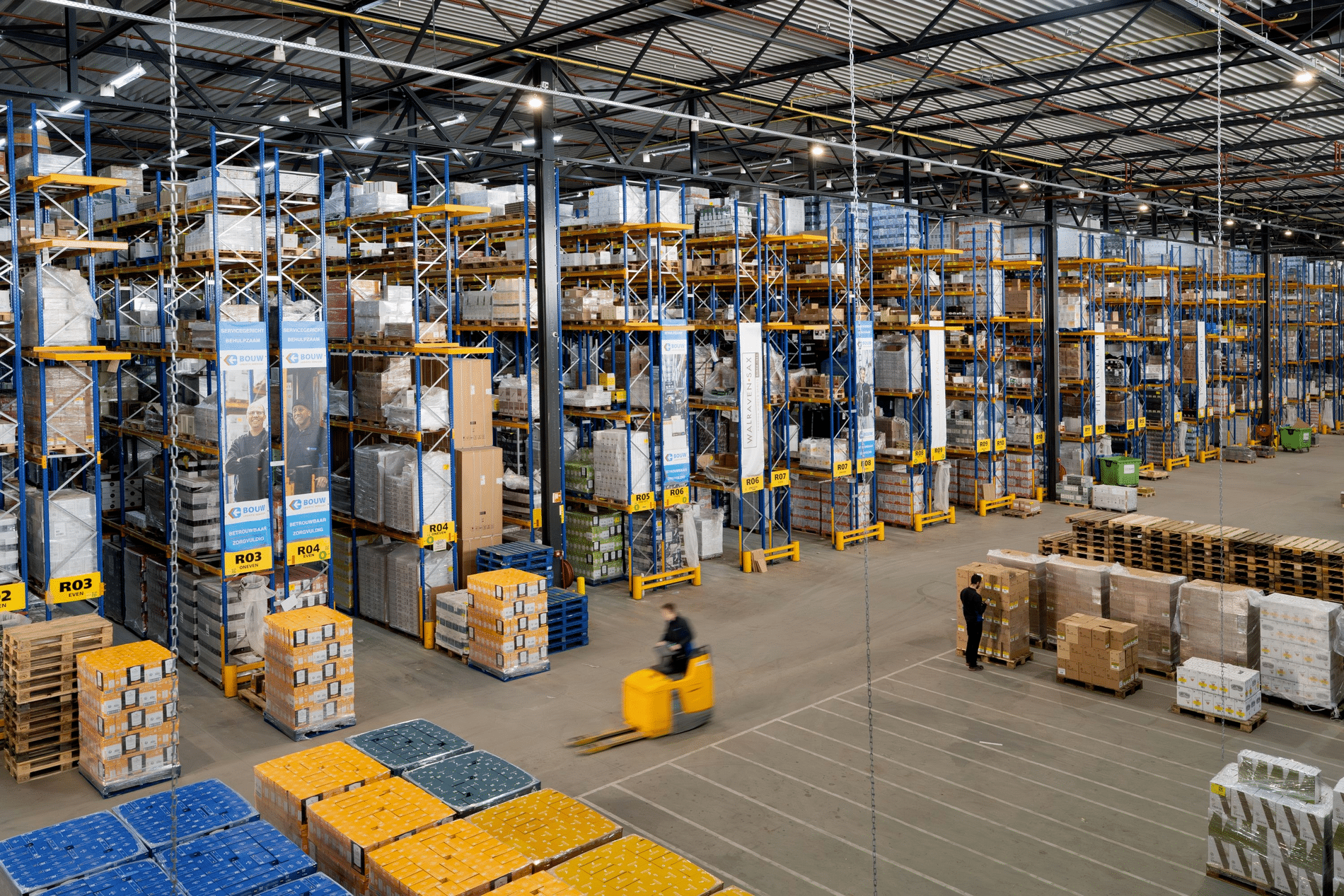
AI is going to transform logistics. But there is still a significant gap between what is technically possible and what actually adds value on the shop floor today. This is evident from conversations with Bart Lambooij, IT Manager at Bouw Logistic Services, and Arjen Hoekstra, Director of Operations at Bakker Transport & Warehousing. Both logistics service providers are at the forefront and are already actively working to adopt AI into their business processes. Their experiences highlight where opportunities lie today, but also what is needed to move forward in the future.
Find them in our company index