warehouselogistiek.eu
EN

The platform for internal & external logistics, supply chain and automation
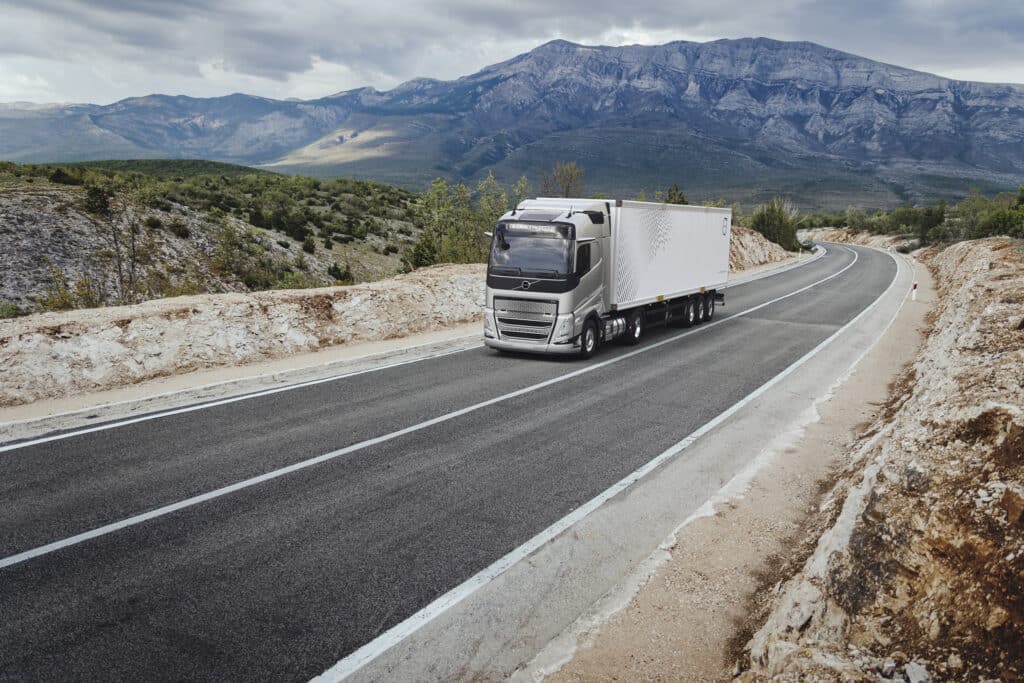
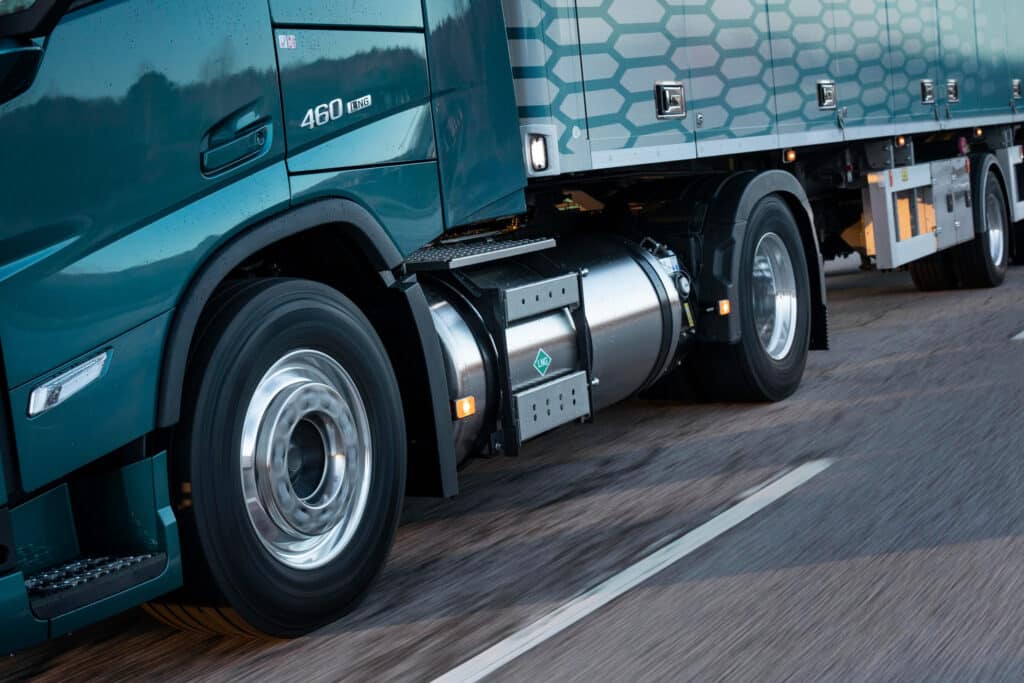
Volvo Trucks has reached an important global milestone: more than 10,000 LNG trucks have been delivered since its introduction in 2018. The growth is driven by increasing demand for sustainable transport solutions and the good availability and interesting price of (bio-)LNG.
Volvo Trucks has now delivered more than 10,000 LNG trucks worldwide since the company introduced the technology in 2018. So far, the United Kingdom is the most important market for Volvo Trucks, followed by Germany, Sweden, the Netherlands, Norway and France. New emerging markets for driving on (bio-)LNG include India and Latin America, where volumes are growing steadily.
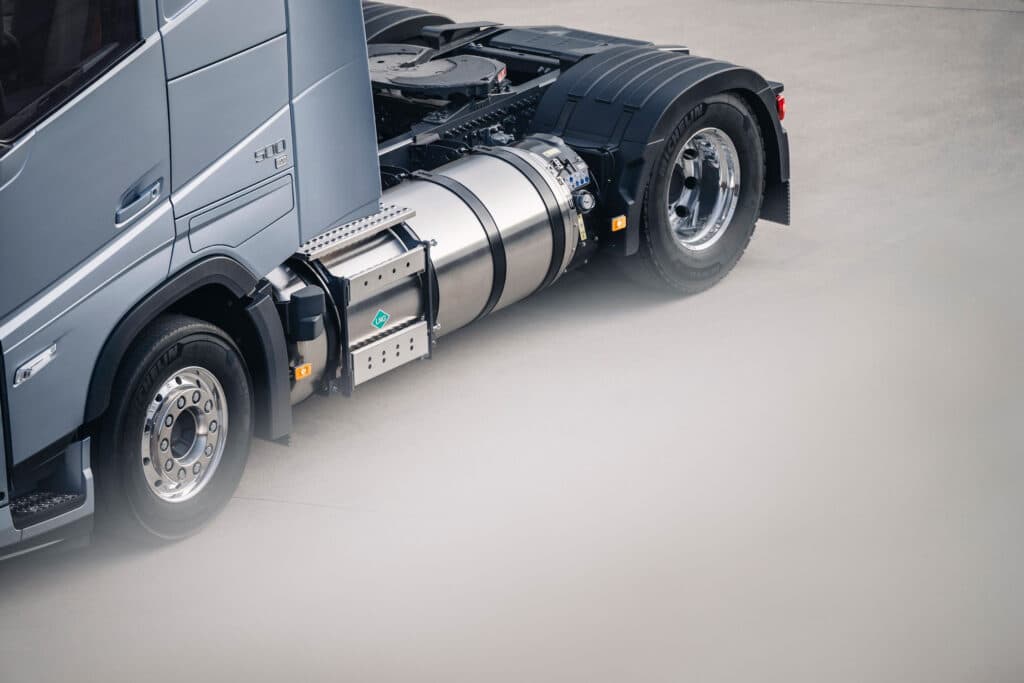
Available in the Volvo FM, FH and FH Aero series, Volvo Trucks' LNG engines can run on conventional LNG (Liquefied Natural Gas) or bio-LNG - a non-fossil liquid gas based on organic waste that replaces LNG.
“Volvo Trucks” LNG engine technology is a leading solution in terms of power, torque, engine response and fuel efficiency. Our customers also appreciate the strong performance, driving ease and overall comfort of our trucks running on (bio-)gas,“ said Jan Hjelmgren, Head of Product Management at Volvo Trucks. ”We see considerable potential for LNG trucks as an important step towards emission-free transport."
Volvo's LNG trucks can travel more than 1,000 kilometers on a single tank, making them highly suitable for long-distance and intensive national transport. At a time when transport companies and shippers are looking for more sustainable options, driving on (bio-)LNG is a practical alternative to driving on fossil diesel, for deployments where electrification is not yet possible.
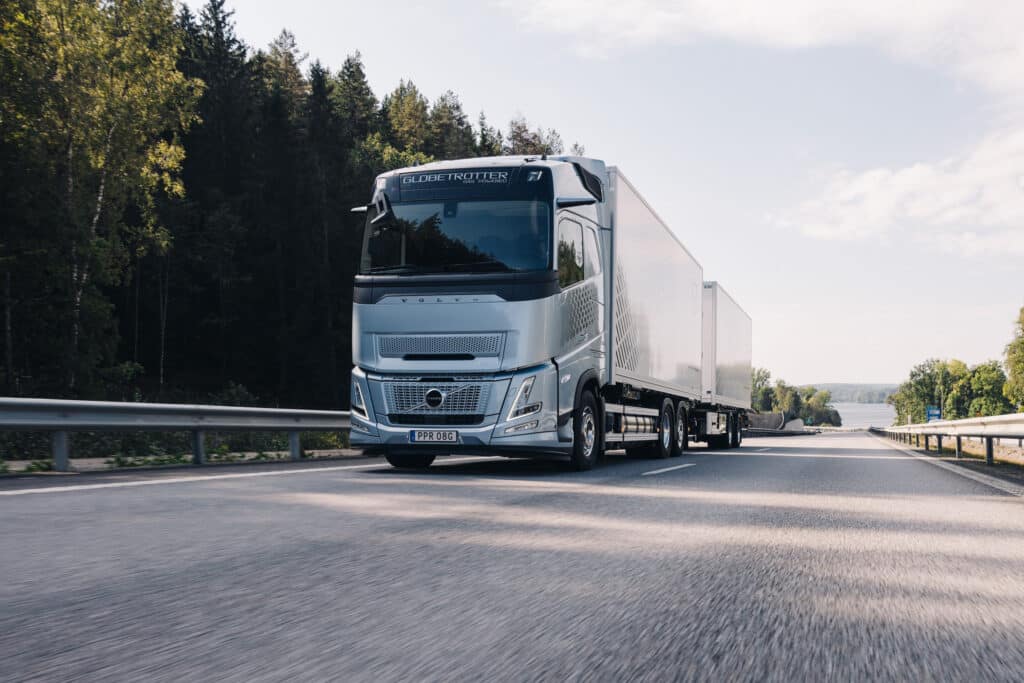
In several countries there is already a well-developed network of refueling infrastructure and access to bio-LNG is rapidly increasing. The Netherlands, Germany, Norway, Finland, Sweden and soon Belgium are good examples: there, all gas filling stations now offer bio-LNG. In the Netherlands, for example, the supply of bio-LNG from fermentation is more than adequate. This enables users to achieve CO₂ reductions of up to 100% (well-to-wheel). In markets where tax incentives and government support for renewable fuels and low emissions are available, bio-LNG thus becomes a very cost-effective option.
Based on the successful D13 powertrain, Volvo Trucks' advanced gas engine technology offers performance equivalent to diesel engines while significantly reducing CO₂ emissions.