warehouselogistiek.eu
EN

The platform for internal & external logistics, supply chain and automation
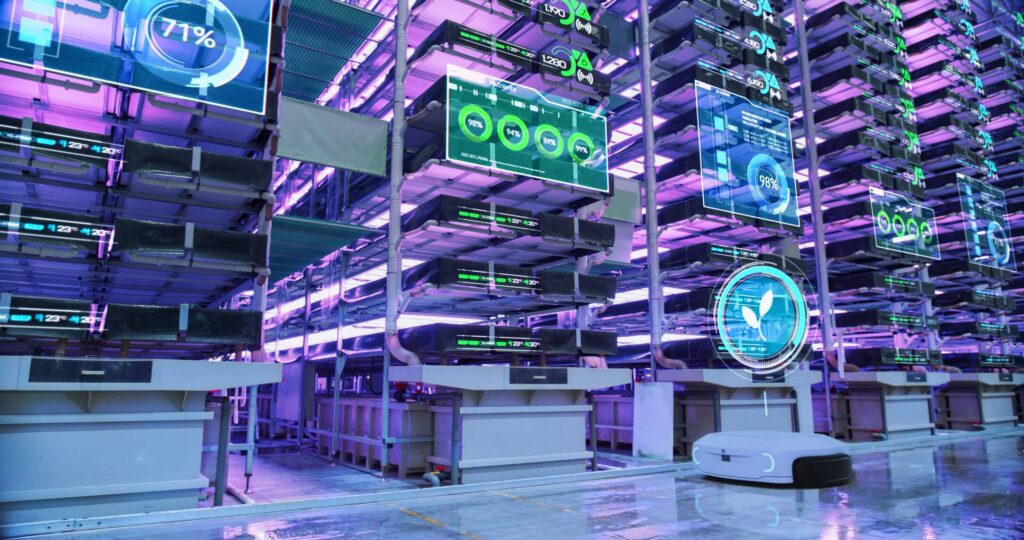
The logistics sector is on the eve of a new phase. Whereas the past few years have been mainly about digitization and absorbing supply chain disruptions, 2026 will be all about acceleration and deepening. Innovations that now seem experimental will become mainstream in the coming years. For companies in warehousing and logistics, this means making choices, investing and, above all, anticipating.
Robots in warehouses have long since ceased to be a thing of the future. Yet by 2026 we will see a clear shift: no longer large, costly installations will set the tone, but flexible, scalable systems. Cobots (collaborative robots that work alongside humans) will play a major role. Where traditional automation was often inflexible, cobots make it possible to handle peak loads, for example during holidays or temporary projects. Companies that invest in this hybrid form of labor experience higher productivity and satisfied employees.
The phrase “data is the new gold” is often used, but in 2026 it will become a reality for logistics. Real-time dashboards, combined with artificial intelligence, will make it possible to proactively manage supply chains. Think AI that not only predicts inventory levels, but also automatically directs restocking and calculates alternate routes when delays are imminent. The winners will be those companies that manage to cleverly link their data ecosystem to partners in the chain, creating end-to-end transparency.
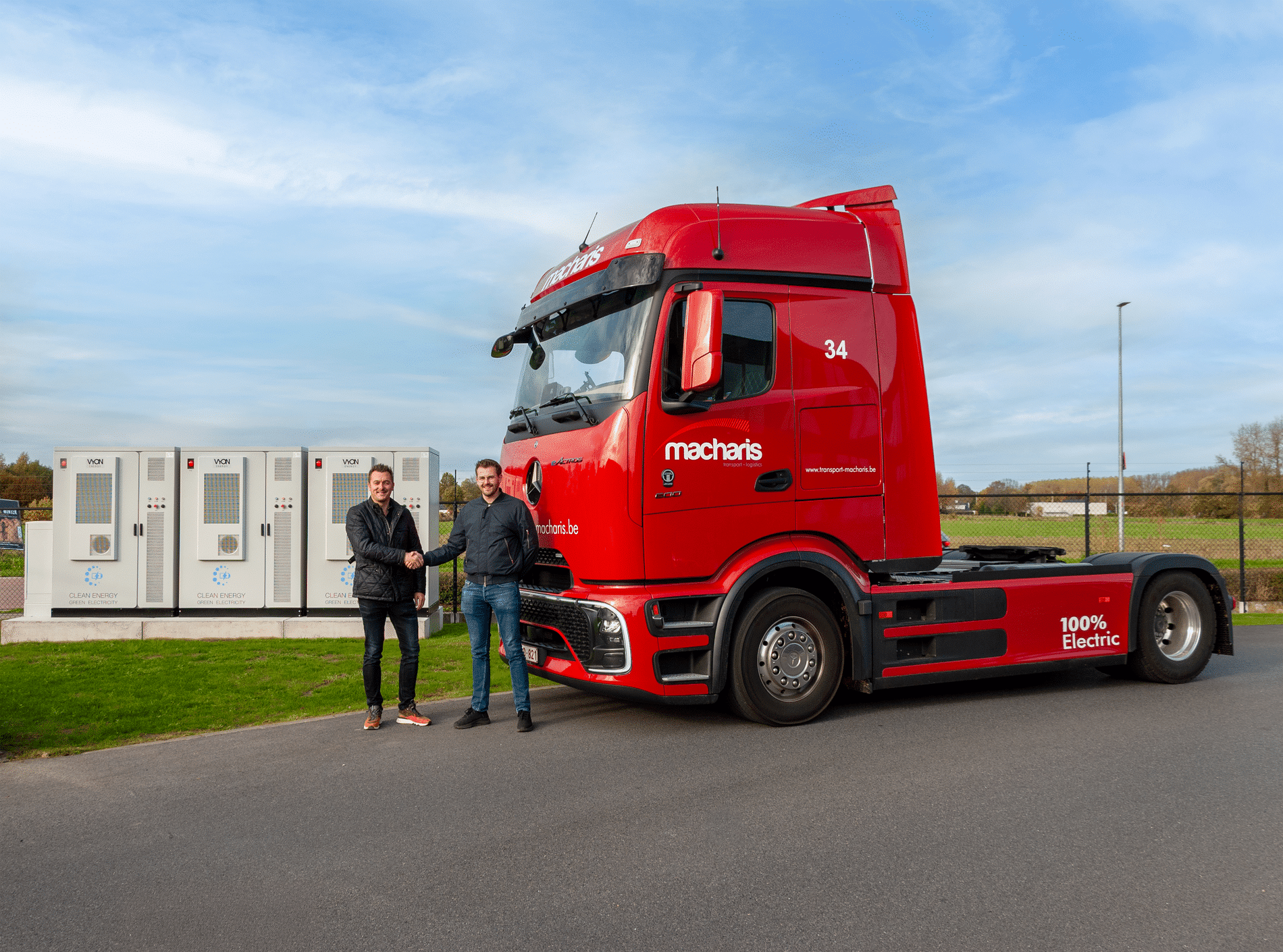
Climate goals mean that sustainability is no longer an afterthought. From 2026, more and more clients will demand low-emission logistics solutions. Think of electric trucks, use of hydrogen in heavy distribution and energy-neutral warehouses with solar panels and smart energy storage. Where sustainability was mainly an image issue for years, it is now becoming a measurable KPI in tenders.
E-commerce growth remains as strong as ever, and with it the pressure on last-mile delivery. In 2026, therefore, we see a clear emergence of micro-fulfilment centers in urban areas. Small, automated hubs close to the customer ensure fast delivery and relieve the burden on traditional distribution centers. This model requires new cooperation between retailers, logistics service providers and real estate parties.
Despite all the technological innovations, people remain at the heart of the industry. In 2026, the emphasis is on upskilling: training employees to work with technology. Warehouse workers are increasingly becoming operators of smart systems. Companies that invest in training not only create loyalty, but also an adaptive organization ready for the future.
The 2026 trends show that technology, sustainability and human capital are not mutually exclusive, but rather mutually reinforcing. The logistics sector faces the challenge of balancing between innovation and practicality. “The companies that lead the way in 2026 are those that know how to combine technology with human flexibility and sustainable choices. They turn change into opportunity.”