warehouselogistiek.eu
EN

The platform for internal & external logistics, supply chain and automation
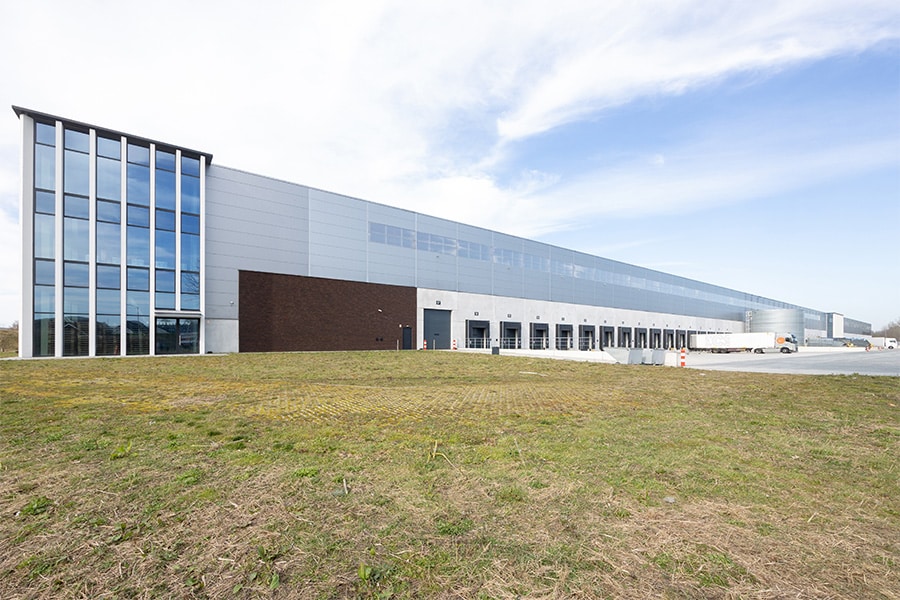
A wind of reconversion is blowing in the Belgian logistics sector. Old industrial sites, once symbols of economic prosperity, are getting a second life as sustainable logistics hubs. “Reconversion is not a nostalgic exercise,” says Luc Ysebaert, commercial director at Willy Naessens Industriebouw. “It is the key to a resilient and future-oriented industry. We don't just rebuild, we build better.”
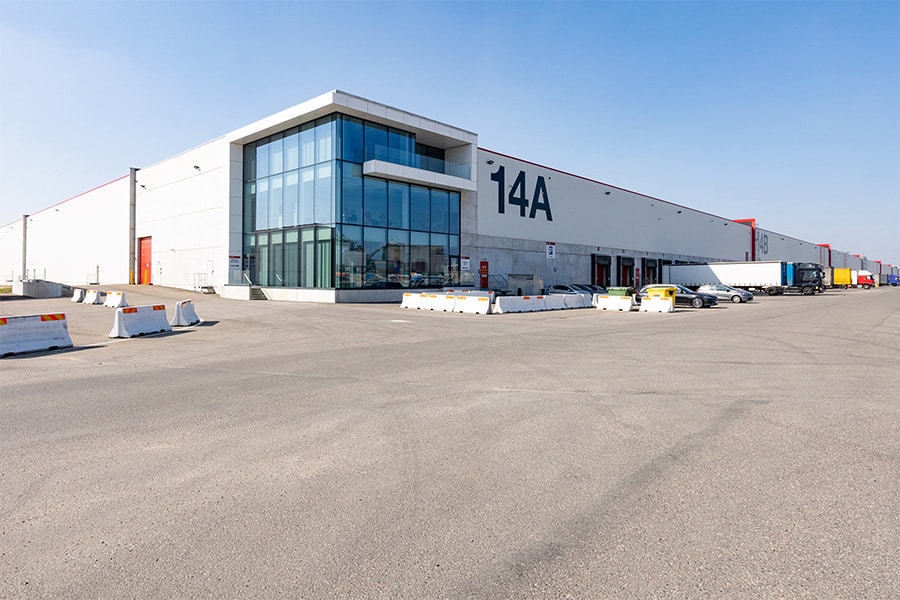
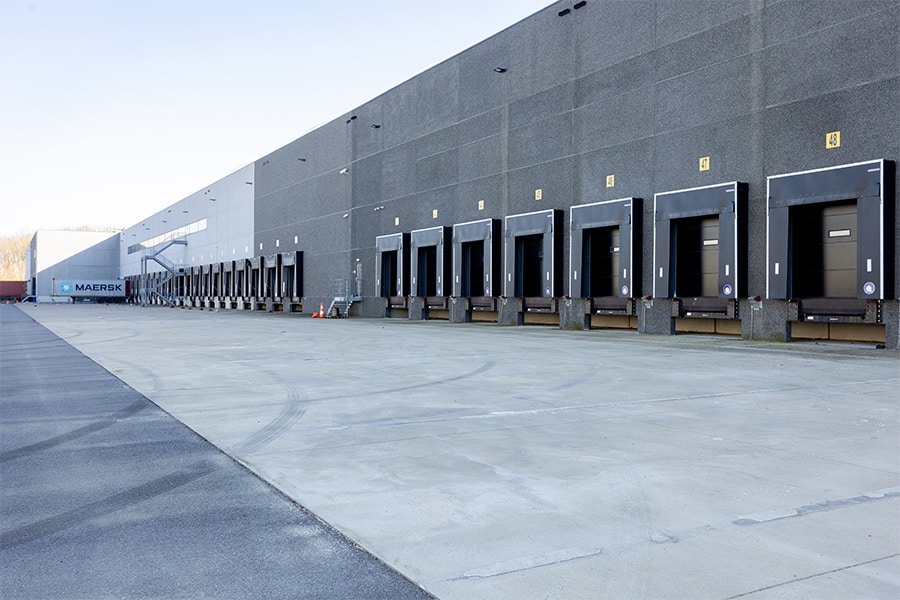
One of the finest examples is the former Ford site in Genk, known today as Genk Green Logistics. What was once the center of Limburg car production is now a vibrant logistics ecosystem. Among other things, Willy Naessens Industriebouw built 100,000 square meters of logistics space there for H.Essers. The site was given a second lease of life thanks to a container terminal on the Albert Canal, a 430-meter-long quay wall and an iconic gatehouse that symbolizes the future.
“The beauty of such a project is that the industrial heritage is not erased, but reinvented,” Luc Ysebaert points out. “We have reused materials while providing a softening of 30 acres. In this way, we are creating a green, sustainable environment that is ready for the next generation of logistics.”
That approach typifies Willy Naessens Industriebouw's reconversion philosophy: circular construction, spatial rethinking and cooperation with public and private partners. “It is not a sprint,” says Ysebaert. “Reconversion projects require vision and collaboration. But the return - social, economic and ecological - is huge.”
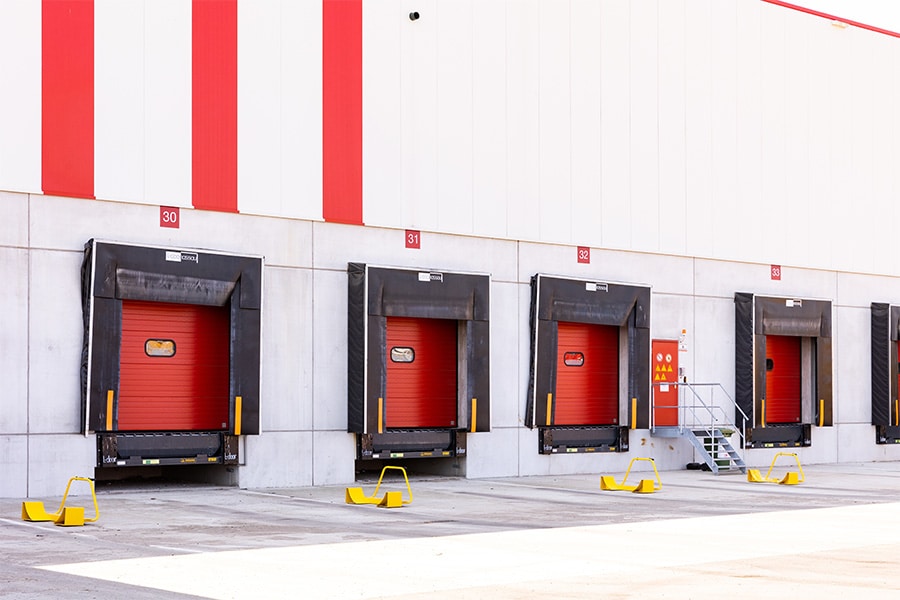
Reconversion is also showing its strength in the Antwerp region. Where once the polluting petroleum industry flourished, today Blue Gate Antwerp is emerging, a paragon of climate-neutral and circular construction. Projects have been realized for world players such as Amazon and DHL.
“Blue Gate is a type example of what reconversion can do for a city and its port,” says Ysebaert. “Contaminated land is remediated, new economic activity flourishes, and at the same time we create thousands of jobs in an environment committed to circular business collaboration.”
The project also illustrates the urban dimension of reconversion: logistics and industry come closer to the city, but in a way that increases the quality of life. Green zones, bicycle paths and heritage conservation are an integral part of the plan.
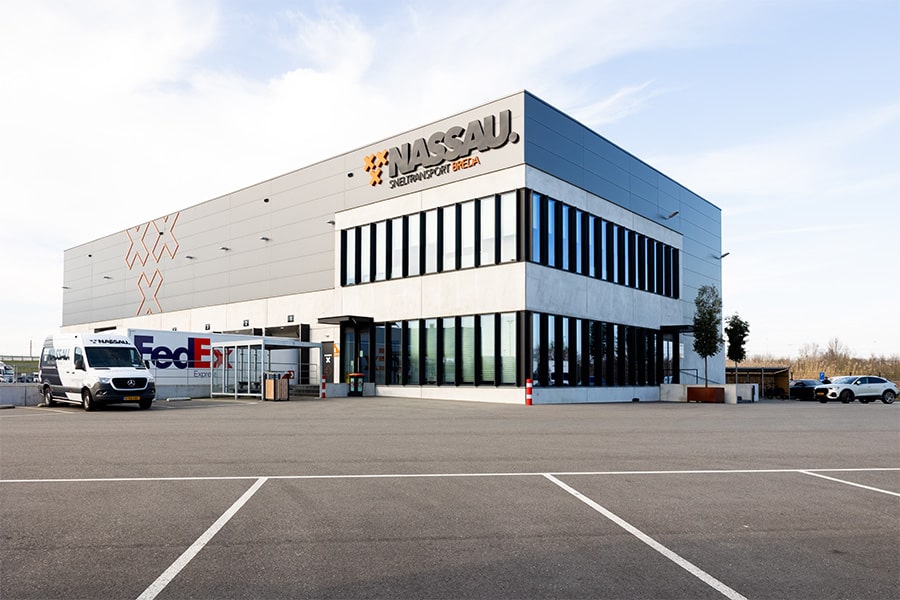
In addition to large-scale projects, Willy Naessens Industriebouw also focuses on smaller reconversions. Luc Ysebaert: “Outdated factory buildings that no longer meet the requirements of modern logistics, we demolish and replace them with energy-efficient, future-proof complexes.”
An example on a larger scale is the GM site in Antwerp, which is being redeveloped into the NextGen District. The 88-hectare site is to become a hotspot for circular process and manufacturing industry, with space for both established companies and startups. “This is also about future-oriented business activity,” Ysebaert said. “We are recycling materials from the old factory and literally building on the past to enable sustainable growth.”
The most recent and ambitious reconversion initiative is the transformation of the Makro sites in cooperation with Colruyt Group Real Estate and LCV Real Estate, the real estate arm of the Naessens construction family. On six former shopping sites, completely new zones will be developed in the coming years, harmoniously combining stores, offices and industry.
“These sites are strategically excellent,” confirms Ysebaert. “By replacing their aging infrastructure with sustainable buildings, we ensure that they will last for decades to come. That is reconversion in the broadest sense: creating value where it was in danger of being lost.”
For Luc Ysebaert, it is clear: reconversion is not a trend, but a necessity. “We need to be more economical with scarce space, smarter with materials and reweave our industry with society. That is exactly what we are doing at Willy Naessens Industriebouw.”